In the dynamic world of automotive dealership fixed operations, the pursuit of excellence is paramount. Dealerships rely on a dedicated team of technicians, service advisors, and parts personnel to deliver exceptional service and drive customer satisfaction. Among these team members, there may be individuals who excel in their roles, consistently achieving high-performance metrics and exceeding expectations. However, beneath the surface of their stellar performance lies a toxic undercurrent that can poison the work environment and undermine the dealership’s success.
Toxic employees, despite their apparent success in meeting targets and achieving results, can have a detrimental impact on the dealership’s culture, morale, and overall performance. These individuals may exhibit a range of toxic behaviors, including arrogance, hostility, manipulation, and lack of accountability. While their technical skills and productivity may be commendable, their negative attitudes and behaviors can erode trust, create conflict, and damage relationships within the dealership.
In the automotive dealership fixed operations realm, toxic employees can manifest in various roles, including technicians, service advisors, and parts personnel. Let’s explore how toxicity can manifest in each of these roles and the consequences it can have on the dealership.
Technicians
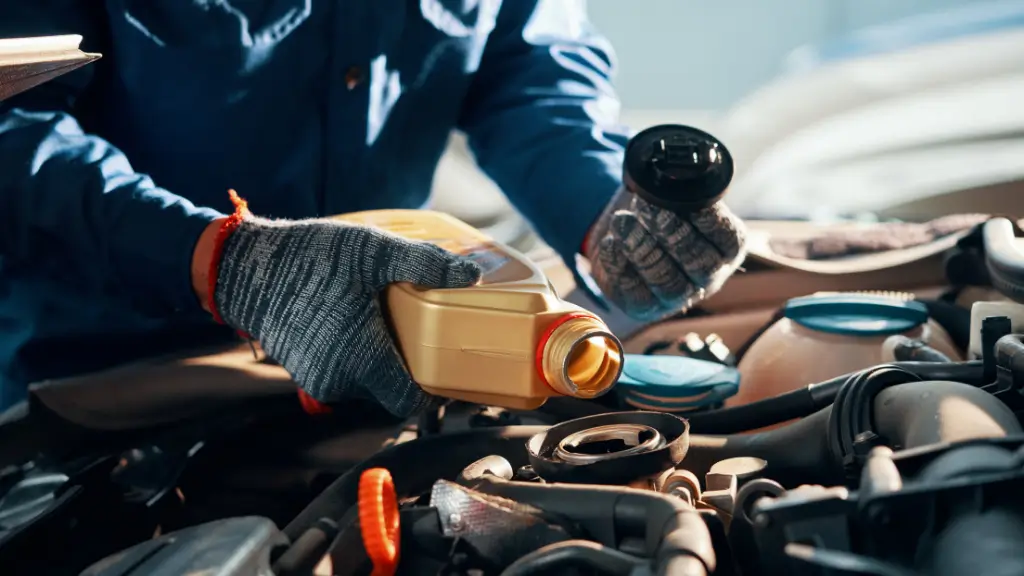
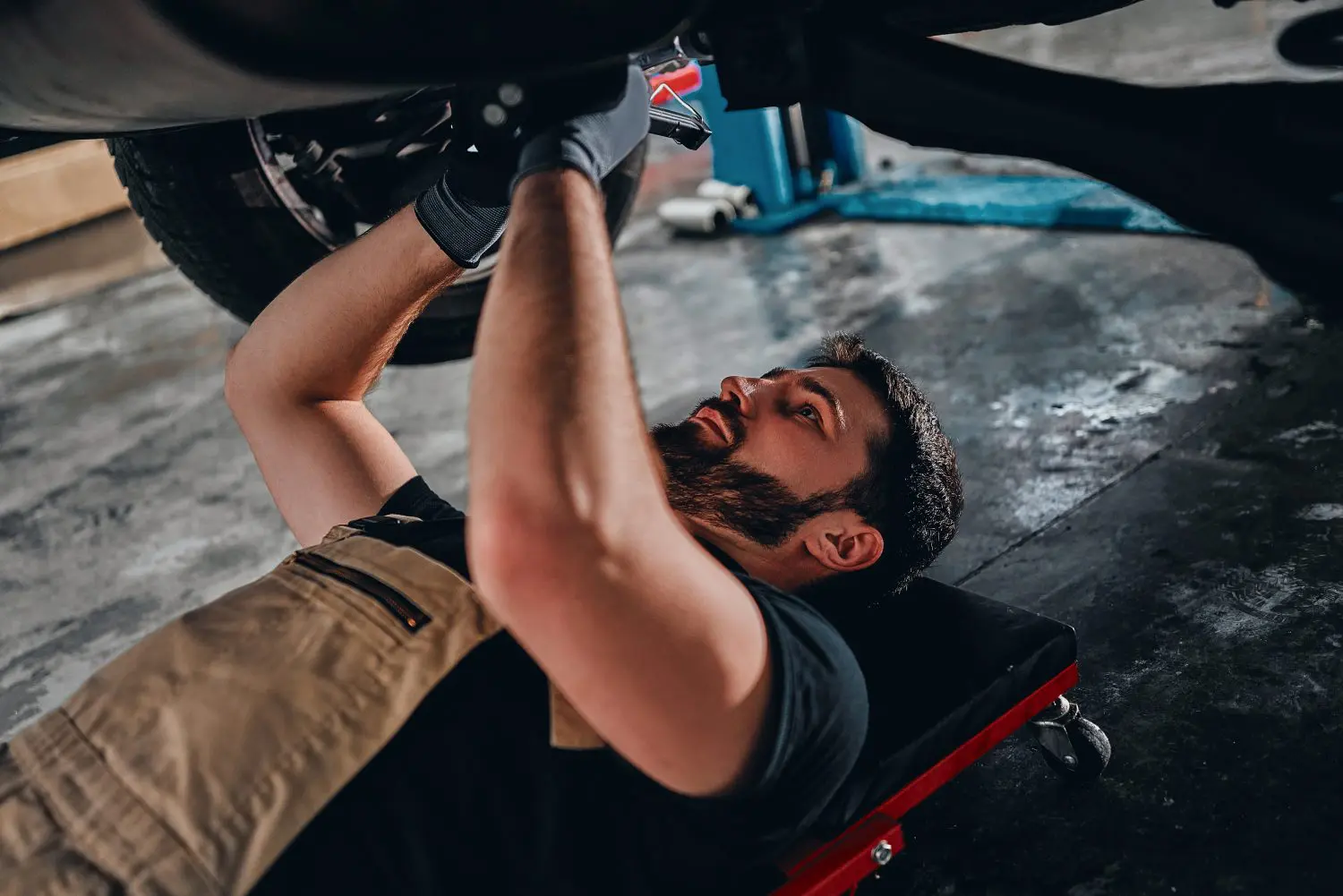
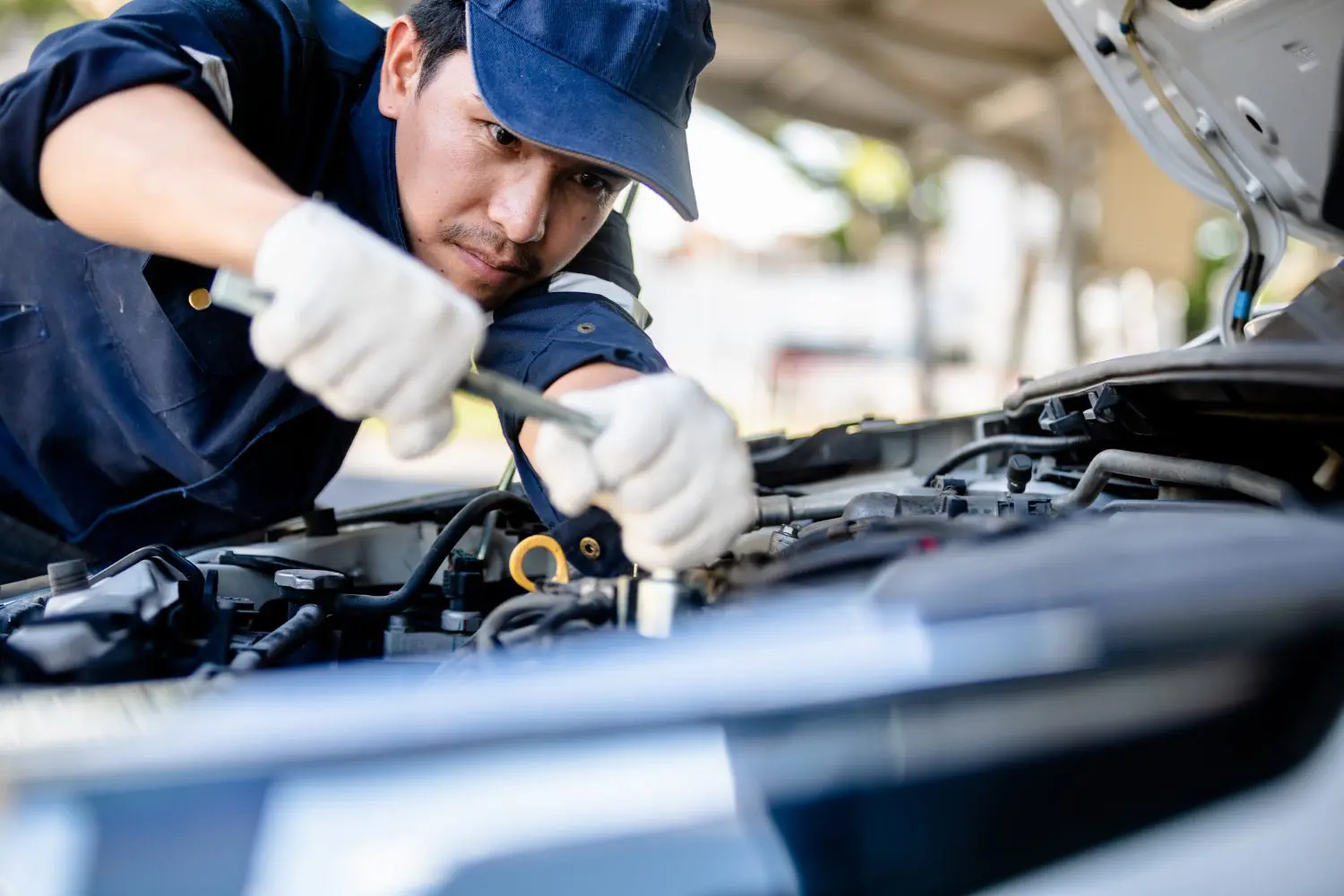
Technicians are the backbone of the fixed operations department, responsible for diagnosing and repairing vehicles to ensure customer satisfaction. While some technicians may excel in their technical abilities, they may exhibit toxic behaviors such as resistance to teamwork, poor communication skills, and a lack of respect for colleagues and management. Toxic technicians may create a hostile work environment, leading to decreased morale among the team, increased turnover rates, and ultimately, diminished customer satisfaction.
Service Advisors
Service advisors serve as the frontline representatives of the dealership, interacting directly with customers to assess their needs, recommend services, and ensure a positive service experience. Toxic service advisors may prioritize their own interests over those of the dealership and its customers, engaging in manipulative tactics to upsell unnecessary services or mislead customers. Their unethical behavior can tarnish the dealership’s reputation, erode customer trust, and ultimately drive away business.
Parts Personnel
Parts personnel play a crucial role in managing inventory, sourcing parts, and fulfilling orders to support the service and repair operations of the dealership. Toxic parts personnel may exhibit traits such as dishonesty, negligence, or insubordination, leading to disruptions in supply chain management, delays in repairs, and increased costs for the dealership. Their negative influence can undermine the efficiency and profitability of the parts department, affecting the dealership’s overall performance.
While toxic employees may deliver short-term results in terms of productivity and performance metrics, the long-term consequences of their presence can far outweigh any benefits they may bring. Toxicity breeds resentment, stifles creativity, and drives away top talent, creating a toxic culture that permeates throughout the organization. The ripple effects of toxic behavior can extend beyond the fixed operations department, impacting other areas of the dealership and compromising its reputation in the community.
Dealership leaders must recognize the signs of toxicity in their team members and take decisive action to address it. This may involve providing coaching and support to help toxic employees improve their behavior, setting clear expectations and consequences for unacceptable conduct, or, in severe cases, taking disciplinary action, up to and including termination. By fostering a culture of respect, integrity, and accountability, dealership leaders can cultivate a positive work environment where employees feel valued, motivated, and empowered to succeed.
Toxic employees pose a significant threat to the success and sustainability of automotive dealership fixed operations. While they may excel in their roles in terms of technical skills and productivity, their negative attitudes and behaviors can poison the work environment, undermine team cohesion, and damage the dealership’s reputation. Dealership leaders must prioritize creating a culture of respect and accountability, where toxic behavior is not tolerated, and employees are empowered to thrive. By addressing toxicity head-on, dealerships can build a stronger, more resilient team that is committed to delivering exceptional service and driving long-term success.