On the Dash:
- Rising fuel prices are accelerating consumer interest in hybrids and fuel-efficient vehicles.
- Affordable, low-mileage used inventory is becoming increasingly important for payment-sensitive shoppers.
- Hybrids continue posting some of the fastest turn rates in both the new and used markets.
A 44% increase in gasoline prices since January is pushing more consumers toward hybrids, EVs, and used vehicles, as affordability pressures continue to reshape vehicle-shopping behavior.
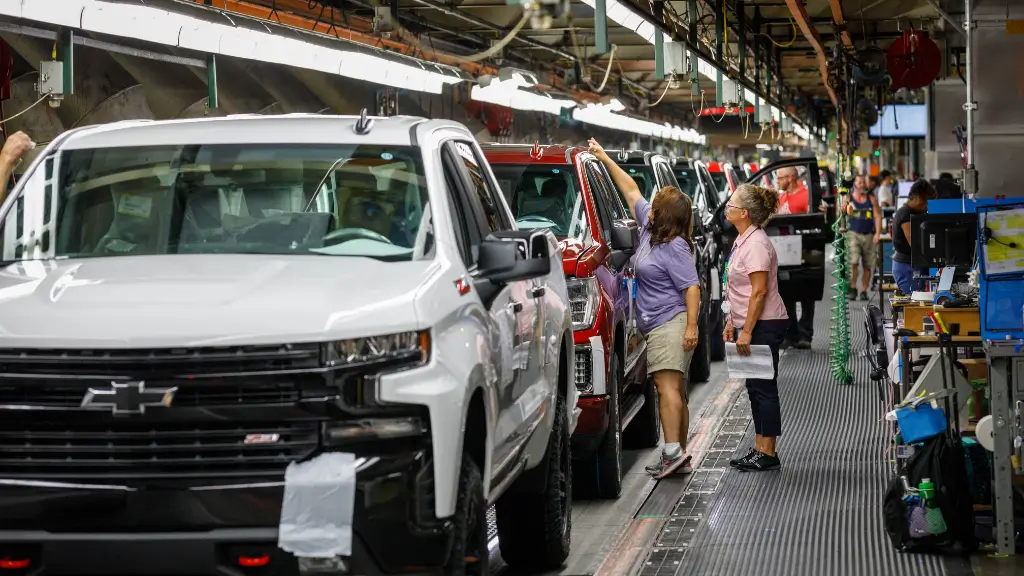
According to market data from Cars.com, newly added vehicle inventory in April carried average prices more than $1,000 higher than a year ago, pushing the average new-vehicle price above $50,000 for the first time. Dealers also sold new vehicles more quickly as inventory tightened for high-demand models such as the Ford F-150 and the Chevrolet Silverado 1500.
Similarly, brands such as Hyundai, Kia, BMW, Subaru, Volkswagen, GMC, and Toyota increased inventory levels, though those vehicles remained on lots longer.
Market data suggests that payment-sensitive consumers are pulling back from the new-vehicle market rather than simply trading down. Many shoppers are turning to used vehicles as low-mileage off-lease inventory from 2022 and 2023 enters the market.
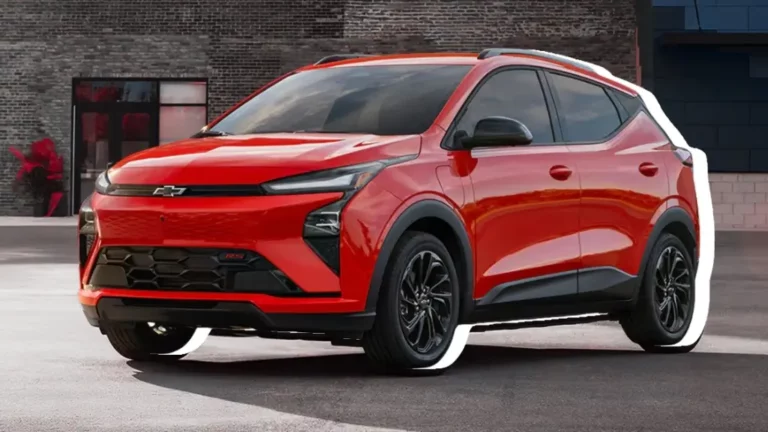
More than half of in-market shoppers said rising gas prices have prompted them to consider smaller vehicle body styles. Notably, Gen Z and lower-income consumers were most likely to downsize.
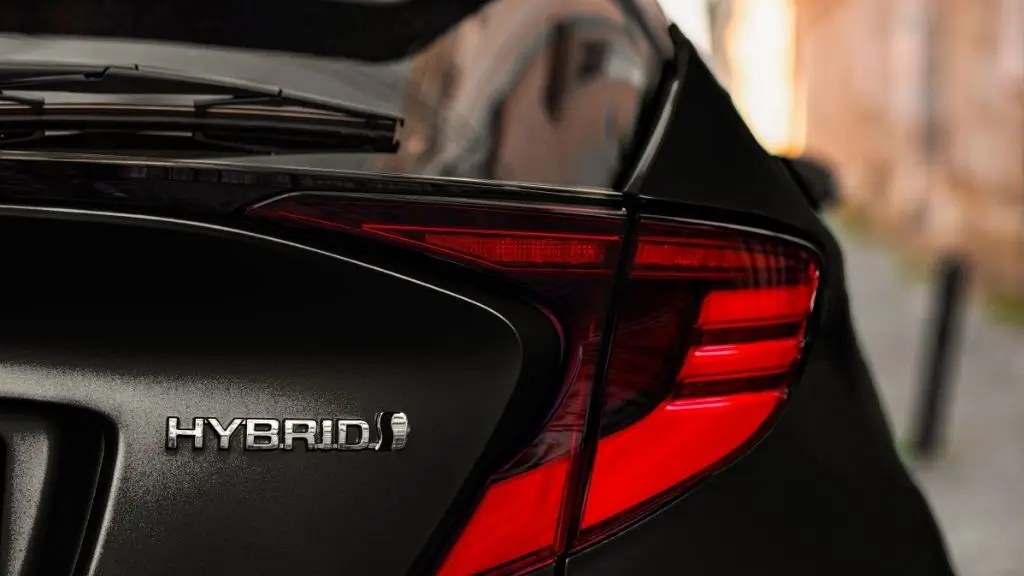
Additionally, a recent survey found that 44% of respondents are likely or very likely to consider a hybrid vehicle, as new-hybrid inventory has roughly doubled since April 2024 and increased by 19% year over year.
New hybrids averaged 47 days on dealer lots, compared with 71 days for the overall market and 115 days for EVs. Used hybrid inventory rose 24% year over year, while used EV inventory increased 10%. Used hybrids posted the fastest turn rate of any segment at 38 days, followed by used EVs at 42 days.