On the Dash:
- Nissan’s retail-first strategy is prioritizing dealer profitability over lower-margin fleet growth.
- Strong SUV and truck demand continues driving showroom momentum across core nameplates.
- Increased U.S. localization could improve supply chain stability and reduce tariff exposure.
On Monday, Nissan announced that it finished fiscal year 2025 as the fastest-growing mainstream automotive brand in the U.S, driven by 12 consecutive months of increased dealer retail sales and its “Re:Nissan” strategy.
The automaker said it was one of only three brands to increase dealer retail volume during the fiscal year. Nissan also reported a 19.6% year-over-year increase in retail market share, with dealer retail sales rising by more than 43,000 units compared with the previous year.
Nissan identified the U.S. market as a central part of its global Re:Nissan turnaround strategy and said it aims to reach 1 million annual U.S. sales by fiscal year 2030.
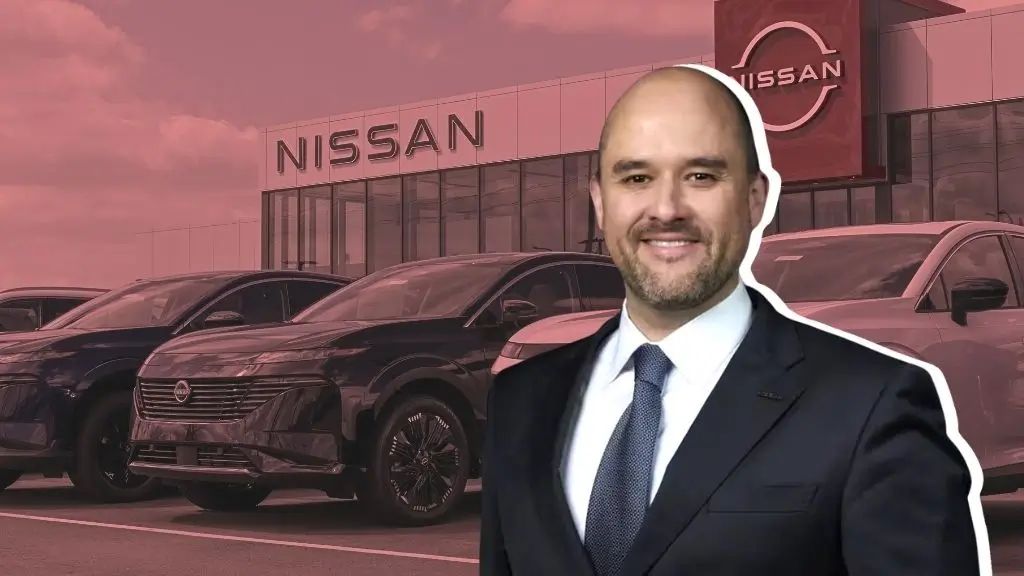
“We made a deliberate decision to put dealer retail, the customer experience and brand strength first, and the market is responding,” said Christian Meunier in the company’s release.
Additionally, the automaker said its retail-first strategy focuses on selling more vehicles through dealerships instead of lower-margin fleet channels, a move Nissan believes is strengthening resale values and dealer profitability.
Trucks and SUVs led the company’s retail gains during the year. Armada sales increased 72% year over year, while Pathfinder sales rose 44%. Rogue sales climbed 17%, and Frontier sales increased 15%.
Nissan also expanded its localization efforts as part of its long-term U.S. growth strategy. The automaker said localization increased from 44% to a peak of 65% during fiscal year 2025, with a goal of reaching 80% U.S.-localized production.
The company plans to carry its momentum into fiscal year 2026 with the launch of the Rogue Hybrid e-POWER.
Notably, Nissan recently reported positive operating profit for the full fiscal year and positive free cash flow in the second half of the year under its Re:Nissan turnaround plan.