- The BUILD America 250 Act would charge EV owners $130 annually in federal registration fees.
- Plug-in hybrid owners would pay $35, with both fees rising every two years after 2029.
- Some environmental groups are pushing back, calling the fee a penalty on drivers who ditched gas.
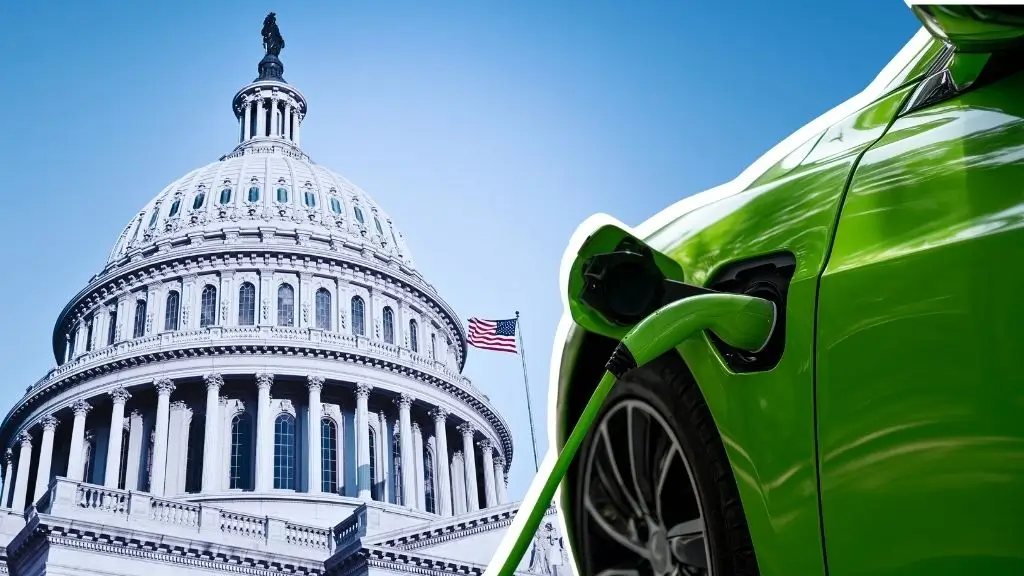
A bipartisan House bill would require electric vehicle owners to pay a $130 annual federal registration fee, marking the first new revenue stream for the Highway Trust Fund in more than three decades.
House Transportation and Infrastructure Committee Chairman Sam Graves (R-MO) and Ranking Member Rick Larsen (D-WA) released the BUILD America 250 Act on Sunday. The bill proposes $580 billion in surface transportation spending over five years, with a committee markup planned for May 21, 2026.
The fee structure is outlined in Section 1129 of the bill. EV owners would pay $130 per year. Plug-in hybrid owners would pay $35. Starting in 2029, the Federal Highway Administration would increase both fees by $5 every two years. The EV fee would be capped at $150, while the plug-in hybrid fee would be capped at $50.
States would collect the fees. If a state fails to comply, FHWA would withhold 125% of the amount owed from that state’s federal highway apportionment.
“The BUILD America 250 Act ensures that electric vehicle owners begin paying their fair share for the use of our roads,” Graves said in a statement.
The federal gas tax stands at 18.4 cents per gallon and has not changed since 1993. That revenue funds road maintenance and repairs through the Highway Trust Fund. Because EVs run on electricity, their owners pay no gas tax and contribute nothing to the fund through fuel purchases. The BUILD America 250 Act would change that, injecting the Highway Trust Fund with its first new revenue stream in more than three decades, according to the committee.
EV owners in 41 states already pay annual registration fees at the state level. The House bill would layer a federal fee on top of those existing charges.
Environmental groups have pushed back on the bill. The Natural Resources Defense Council (NRDC), the Sierra Club, and a coalition of other organizations have urged lawmakers to reject the EV fee. Shruti Vaidyanathan, director of federal and state transportation advocacy at NRDC, called the legislation “a punch in the gut to the millions of Americans struggling to pay higher prices at the pump.”
The bill is the largest federal investment in bridges in U.S. history, at more than $50 billion, according to the committee. It also establishes the first federal framework for autonomous commercial vehicles.
Committee leaders plan to formally introduce the legislation and announce plans for a markup, with the goal of sending the bill to the president’s desk before the current authorization expires Sept. 30.