
Would you like to increase sales, service, referrals, new hires’ sense of belonging, and retention? One of the first steps is to understand how hidden blind spots and unconscious bias can affect crucial first impressions that either promote trust and success or derail the sale or belonging, motivation, and productivity.
Hidden blind spots are just that, unintentionally biased perspectives that we all have but are unaware of that can cause us to make decisions based on misconceptions. These feelings can cause organizations to miss out on top talent, resulting in certain employees being overlooked for key positions.
What kind of first impressions are your employees and managers making? Could hidden blind spots or unconscious bias be interfering? You may only have one chance to gain the confidence of the potential customer or employee.
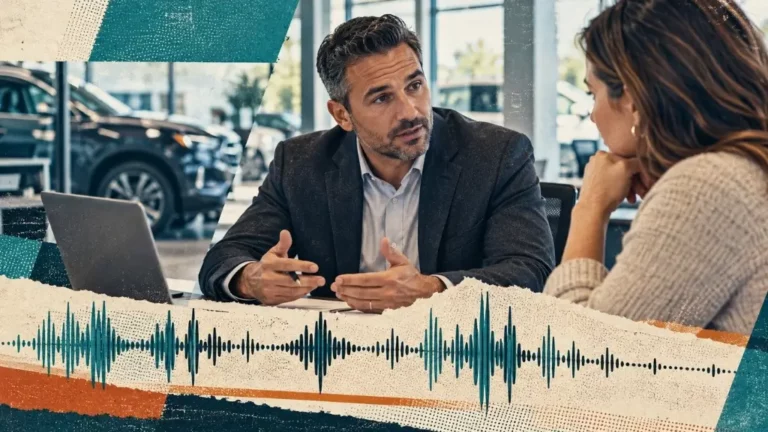
Most people have heard the phrase, “A picture is worth a thousand words.” Non-verbal emotions and messages paint pictures because 80% of what is understood in an interaction with another person is realized through non-verbal communication or body language (Gupta, 2004, 2013). Non-verbal cues include facial expressions, tone, body movements, stances, handshakes, and eye contact, not words. Blind spots pertaining to stereotyping and unconscious bias can greatly interfere with and derail success.
If words and body language don’t match, it is quite possible that you may be perceived as non-caring, inauthentic, and untrustworthy, which can harm the sale and repeat business. Without understanding this, unfortunately, you may turn people off. Imagine this happening with new hires and how this could harm a sense of belonging and motivation right off the bat.
A widely known statistic in the auto industry is that women either purchase or influence up to 85% of the automobile purchases and 70% of repairs, yet according to the U.S. Women’s Car Dealership Report, one-third of women are nervous, overwhelmed, and apprehensive when buying a car. In addition, over 54% of women are buying vehicles outside of their home turf. Think about why this may be happening.
Here are three things to consider when trying to improve blind spots and first impressions.
- Managers and employees need to become aware of and understand their blind spots and how they promote success or derailment. Consider using an unconscious bias assessment to highlight gaps and developmental areas.
- Training or coaching is needed to understand best practices and to provide the groundwork to develop action plans for improvement.
- Ingrained blind spots take time to improve. Ongoing leadership development, coaching, and or training can provide time for participants to practice and garner support to serve as a catalyst to improve first impressions and other essential success factors.
Even the most forward-thinking companies are still figuring out how to eliminate discrimination in recruiting, promote diversity, and cultivate a sense of inclusion among employees of various backgrounds.
The first step you can take to make your workplace a better place is to start making people aware of their unconscious biases and blind spots and how they impact company culture, hiring, retaining talent, and sales results.
Did you enjoy this article from Martha Rader? Please share your thoughts, comments, or questions regarding this topic by submitting a letter to the editor here, or connect with us at newsroom@cbtnews.com.
Be sure to follow us on Facebook and Twitter to stay up to date or catch up on all of our podcasts on demand.
While you’re here, don’t forget to subscribe to our email newsletter for all the latest auto industry news from CBT News.