
TSLA440.3606.77%
GM84.1204.33%
F15.8800.56%
RIVN14.7000.31%
CYD59.7100.67%
HMC26.8800.46%
TM190.1100.02%
CVNA73.0002.85%
PAG169.0102.42%
LAD292.6309.58%
AN194.9403.18%
GPI331.7002.07%
ABG193.9603.94%
SAH83.5804.89%
TSLA440.3606.77%
GM84.1204.33%
F15.8800.56%
RIVN14.7000.31%
CYD59.7100.67%
HMC26.8800.46%
TM190.1100.02%
CVNA73.0002.85%
PAG169.0102.42%
LAD292.6309.58%
AN194.9403.18%
GPI331.7002.07%
ABG193.9603.94%
SAH83.5804.89%
TSLA440.3606.77%
GM84.1204.33%
F15.8800.56%
RIVN14.7000.31%
CYD59.7100.67%
HMC26.8800.46%
TM190.1100.02%
CVNA73.0002.85%
PAG169.0102.42%
LAD292.6309.58%
AN194.9403.18%
GPI331.7002.07%
ABG193.9603.94%
SAH83.5804.89%

Vehicle financing conditions trend against consumers in January

Vehicle financing factors were less favorable to car buyers In January, undoing several months of improvements seen last year
Vehicle financing factors were less favorable to car buyers In January, undoing several months of improvements seen last year.

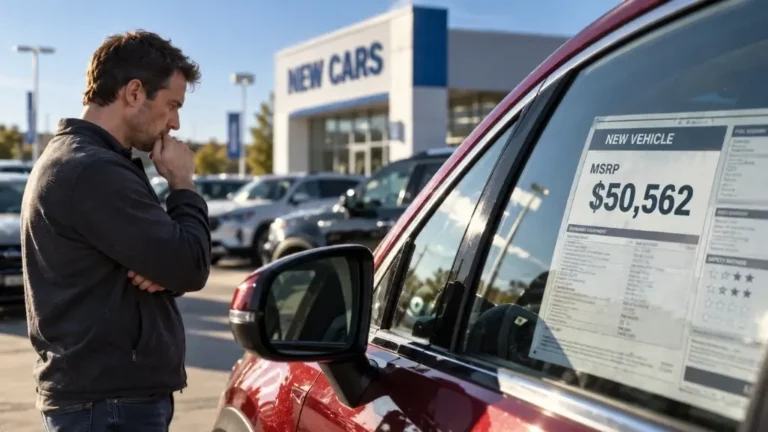
Vehicle financing remained an obstacle for many consumers in January, during which auto lenders displayed more caution and auto loan access declined.

According to Cox Automotive’s Dealertrack Auto Credit Total Loan Index, January’s challenges in vehicle financing reversed accessibility improvements achieved in mid to late 2023. The index score declined to 93.0 last month, a 1% loss from December and down 3% from January 2023. This score is the worst seen since August 2020, during the height of the COVID pandemic.

The only shift in vehicle financing conditions to benefit consumers was an increase in negative equity share. Other factors worsened or remained unchanged from the month before. Cox Automotive notes that yield spreads expanded as term lengths, approval rates, and the number of subprime buyers declined. These shifts made it more difficult to obtain an auto loan in January, especially for new vehicles. Down payment amounts were at a similar level to December’s but still represented an all-time high.

These shifts represent the car market’s ongoing instability in the wake of COVID. While the automotive industry is fairing better than anyone could have expected at the start of the pandemic, many consumers are not only struggling to navigate the high costs of new vehicles but are also facing one of the most unfriendly vehicle financing landscapes on record.

Hoping to wait out these challenges, customers, especially those in the subprime category, are holding onto their vehicles for longer, meaning that dealers are potentially losing thousands of sales. The longer these trends continue, the more unsustainable they become, meaning that the industry has a limited amount of time to make actionable changes that will protect sales and revenue.

Read More
More from F&I
pre-framing

How pre-framing helps dealers improve F&I close rates

- May 21, 2026
As dealership customers become more payment-sensitive and less tolerant of friction, finance and insurance departments face growing pressure to modernize how they present products and build trust. During the latest episode...
Why 'decision fatigue' is killing your F&I gross

Why ‘decision fatigue’ is killing your F&I gross

- May 14, 2026
Buying a car demands more decisions than many customers expect. By the time they sign the purchase agreement, "decision fatigue" has set in. They have already negotiated a price, settled...
Getting more buyers across the finish line

Getting more buyers across the finish line

- May 13, 2026
Every car shopping journey has its highs and lows. On the positive side, it’s fun to do test drives and it’s exhilarating to drive off the lot in a new...
Finance Director Symphony Wills shares her success story

Finance Director shares path from rejection to BMW rooftop success

- May 12, 2026
Symphony Wills did not stumble into the car business. She chased it, fought rejection, and took on a two-hour commute to get her foot in the door and onto the...