Today, the auto industry is facing several challenges at once. Tariffs, FTC pricing scrutiny, affordability concerns, tightening inventory, possible competition from Chinese automakers and more. Dealers are being pressured to adapt quickly, but change is something successful dealers are used to, and in many cases prepared for.
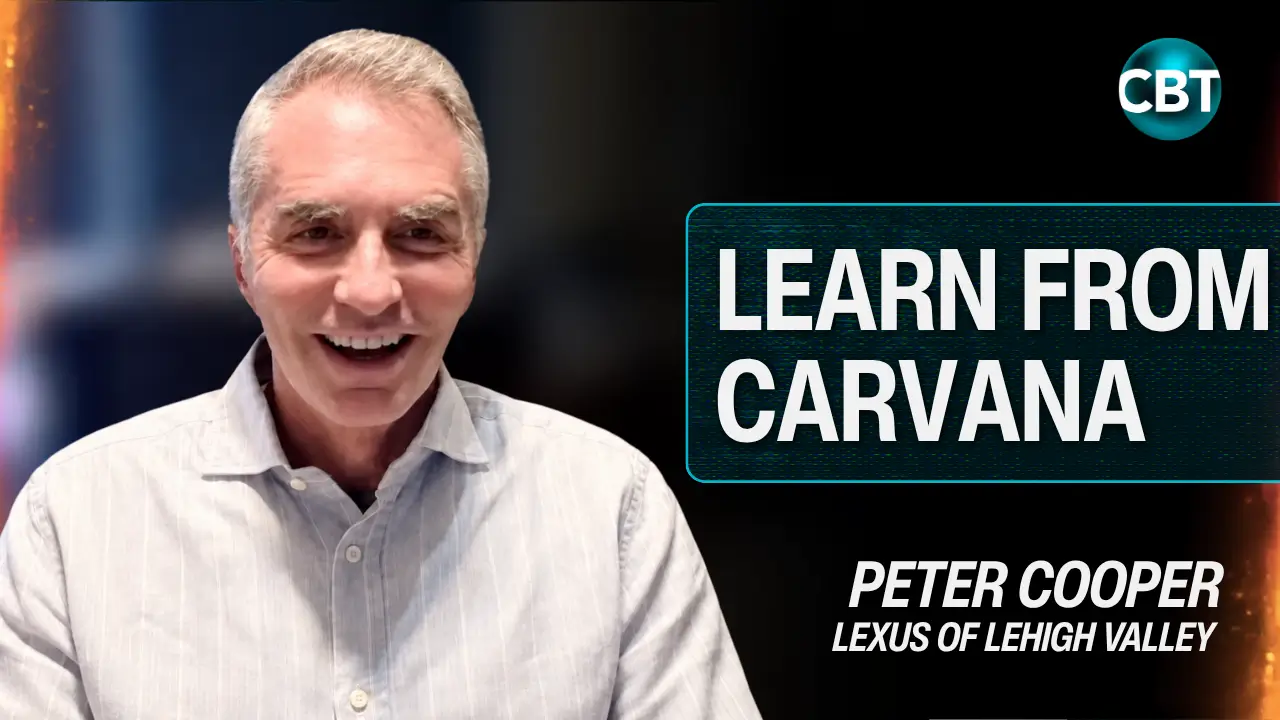
On this episode of Inside Automotive, we’re joined by Peter Cooper, President and CEO of Lexus of Lehigh Valley, to get ground-level insight on where things stand and how Cooper’s store is handling them.
Challenges, chaos and complexity
The sheer volume of challenges dealers are facing right now is unlike anything Cooper says he has seen before.
“The topics over the last six months to a year have gone from government intervention, whether it’s tariffs or the FTC. We have the electrification issues. We have China. We have AI. We have used car acquisition. We have affordability. We have supply chain issues. And, oh, by the way, maybe we’re going to get a little downturn in the market here. So the amount of problems, the challenges that we’re facing. It’s unprecedented,” Cooper said.
For Lexus of Lehigh Valley, Cooper says inventory issues have been the most pressing. His store went without its core NX model in the first quarter as Toyota transitioned the platform to the RAV4, and the new ES has been offline for five months.
“For us specifically, it’s been more of a supply issue, having the right products at the right time,” he said.
Affordability, access and the China question
Beyond inventory, Cooper says the more serious long-term threat to the industry is affordability. Rising vehicle prices are pushing families to their limits, and he does not see that changing soon.
"I think the bigger, overarching issue is long-term affordability in the marketplace."
Cooper sees Chinese vehicles as one possible factor, but says the question is more nuanced than simply opening the market.
“I think I look at it more from the benefit to our nation as a whole in terms of trade and how much more dependent we become on another foreign nation,” he said.
Cooper says he would support a structured ramp-up period giving domestic manufacturers time to compete before Chinese brands gain a full foothold in the U.S. market. Asked directly whether he would pursue a BYD franchise if the opportunity arose, Cooper did not hesitate.
“We all have a number, right? There’s profit in there. I don’t think it’s a good idea. Would I take advantage of the profit? Probably,” he said.
Pricing, pay plans and the FTC
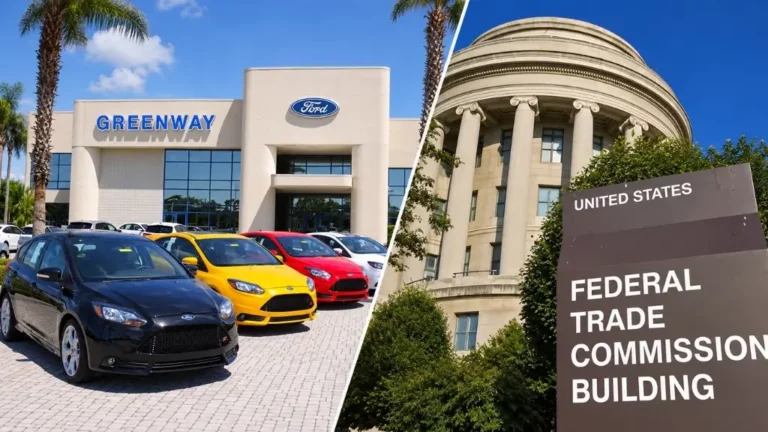
The FTC has been putting dealers on notice. The agency sent warning letters to 97 dealer groups in March, flagging advertising practices, hidden fees, and rebates that few customers actually qualify for. For dealers still relying on traditional negotiation-based pricing, the scrutiny is only growing. Cooper says the industry brought this on itself.
"They're not doing it because we were Boy Scouts."
Lexus of Lehigh Valley has operated as a negotiation-free, one-price store for 10 years. Cooper says the model is straightforward and fairer to customers. He points to the way some dealerships compensate their general managers as a driver of bad pricing behavior industry-wide.
“The dealer is paying that GM on his net. So it doesn’t make for the best behavior,” he said.
His store does not pay salespeople on gross profit per deal either. Cooper says that model no longer makes sense in a market where customers can look up competing prices online before they ever walk into a showroom. With that information widely available, the gross profit on any given deal is largely set by market conditions before a salesperson says a word. Paying a commission on top of that, he says, only creates the wrong incentives.
To address industry-wide compliance questions stemming from the FTC’s pricing policy, CBT News is hosting the Auto Leadership Summit on Fair Pricing and Compliance in Washington, D.C., on June 16.
The one-day event, held at the Salamander Hotel, will bring together dealers, legal experts, and elected officials, including Ohio Sen. Bernie Moreno. Session topics include an in-depth analysis of the FTC ruling, best practices for transparent pricing and consumer disclosure, compliance frameworks for advertising and dealership operations, and a legislative outlook from NADA policy advocates.
Registration is now open at cbtnews.com/auto-leadership-summit.
Hybrids, and the road ahead
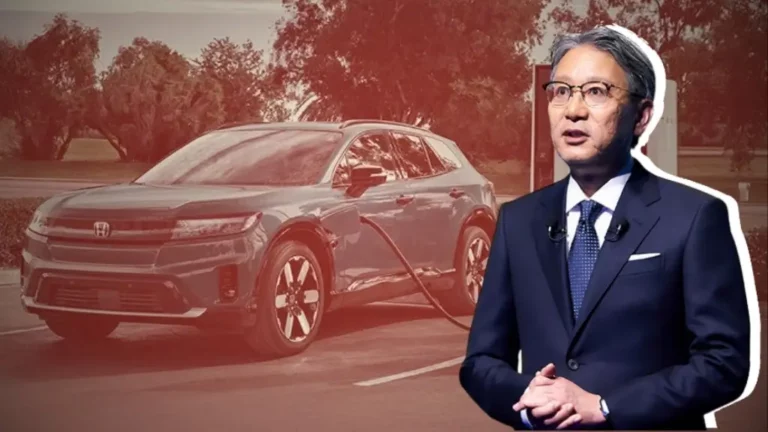
Toyota’s decision to prioritize hybrids over a full EV push is paying off at the retail level. Cooper says the majority of customers walking into Lexus of Lehigh Valley today are asking about hybrids, and he expects that trend to continue as production costs come down.
“I think it’s a good majority of people would prefer that today,” he said of hybrid vehicles.
Cooper sees hybrid technology costs gradually converging with those of traditional gas-powered vehicles, which he says will accelerate the shift.
Timing the market for growth
When it comes to expanding his footprint, Cooper says he is keeping a close eye on the acquisition market, but he’s not in a hurry to add stores. In his view, the right franchises are priced too high right now to make a compelling case.
“I think the market for the right franchises is really overvalued right now. We’d rather focus on putting more of an investment in our existing business than just to go get another nameplate,” he said.
He adds that each manufacturer brings its own set of challenges, and acquiring a store simply to grow does not make sense in the current environment.
Building around uncertainty
With all of the issues facing dealers today, Cooper is hesitant to predict a smooth end to the year.
“I just want to be realistic, right? And I think that what dealers can be doing is for now to the end of year and just say, okay, we’re going to deal with chaos. There’s nothing that’s going to level out here and just lean into the chaos,” he said.
With new tariff threats emerging on European vehicles and no clear resolution to the broader economic pressures, he says the honest answer is that nobody knows how the year finishes.
“I’d be pleased if we just didn’t move backwards, but who knows,” he said.
His advice to dealers is to stop waiting for the market to stabilize but instead build their operations around managing uncertainty. Cooper says the dealers who will come out ahead are the ones focused on what they can actually control.