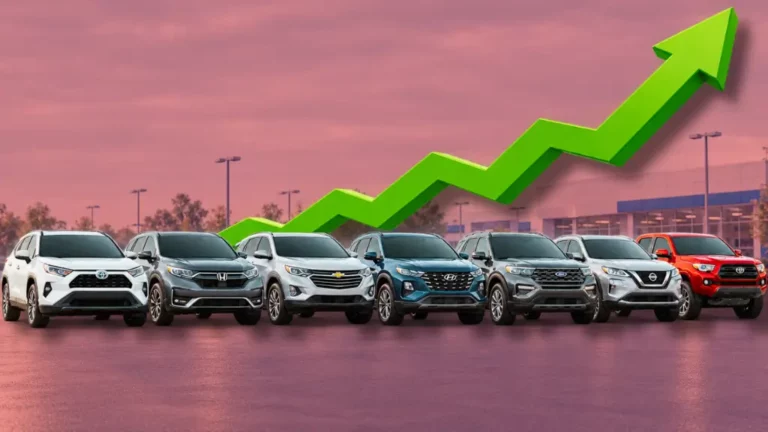
If you think car prices are already out of control, brace yourself. The next spike is coming, and it has nothing to do with supply chain excuses, dealer markups, or government mandates. It is being driven by Big Tech’s race to dominate artificial intelligence, and your next vehicle is about to pay the price.
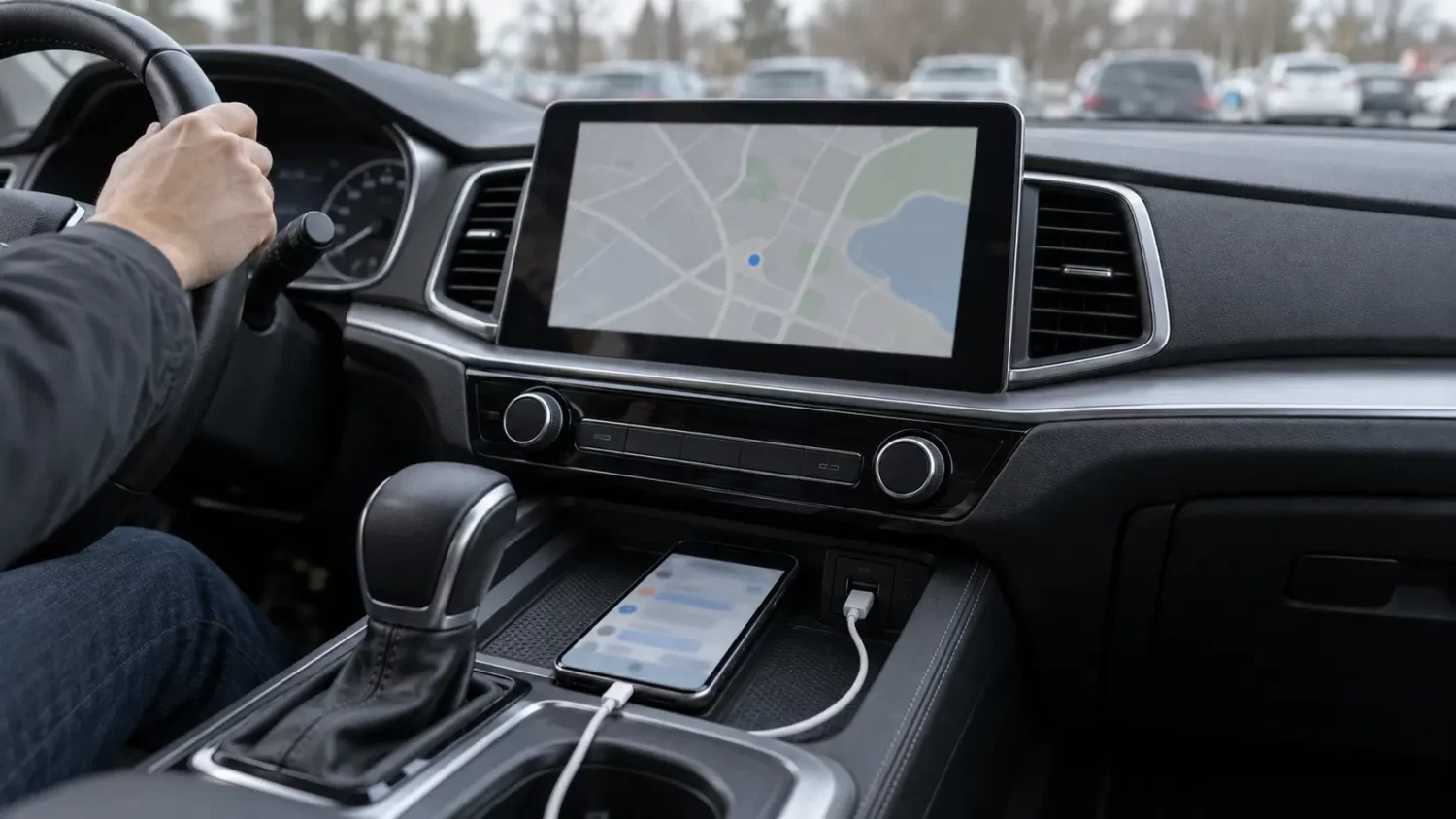
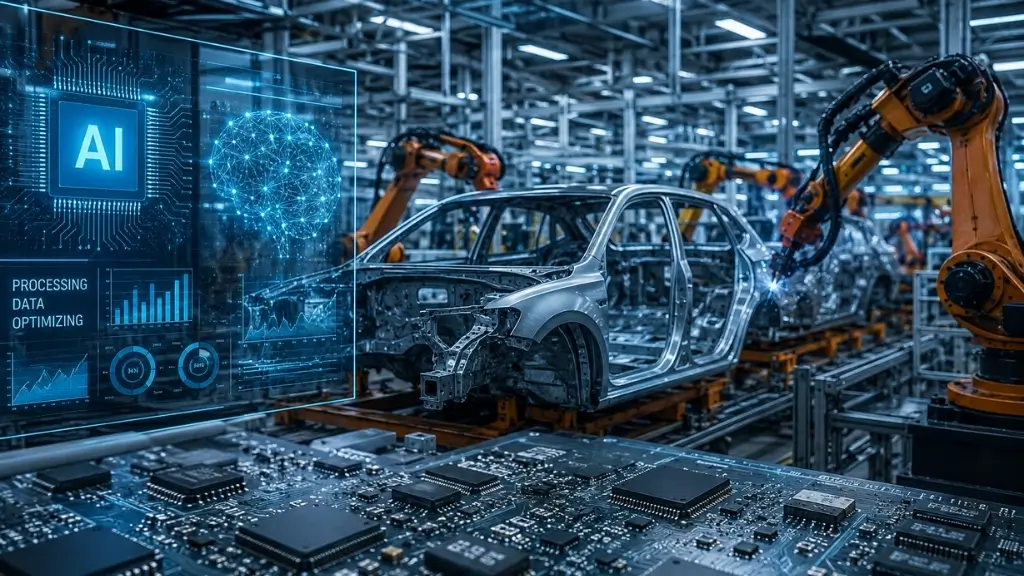
Behind the scenes, a quiet bidding war is underway for one of the most critical components in modern vehicles: memory chips. These are not exotic, cutting-edge parts reserved for luxury cars. They are the backbone of everything from your backup camera to center screens to your safety systems. And right now, they are getting sucked up by massive AI data centers at a pace the auto industry simply cannot match.
Companies like Google, Microsoft, and OpenAI are spending billions building out AI infrastructure. These operations require enormous volumes of high-performance memory, the same category of chips used throughout today’s vehicles. The difference is that they are willing to pay more, lock in longer contracts, and move faster than any automaker.
And in a market driven by profit, that changes everything.
Chip manufacturers, including Samsung, SK Hynix, and Micron, are shifting production toward AI demand because that is where the profits are strongest. That leaves fewer chips available for automakers, and the ones that are available are getting more expensive by the day. This is not a temporary disruption. It is a structural shift.
Automakers are already feeling it. Executives at Ford Motor Company have acknowledged rising costs tied to memory chips, even as they try to reassure investors that supply remains stable for now. But that stability is fragile, and industry analysts are warning that shortages could begin to impact production as soon as late 2026.
Some companies are more exposed than others. EV-focused brands like Tesla and Rivian face added risk because their vehicles rely even more heavily on advanced computing systems. Traditional automakers like General Motors and Ford Motor Company may have slightly more flexibility, but they are still tied to the same supply chain realities.
What does that mean for you?
It means the car you want may cost more, take longer to arrive, or come with fewer features than expected. We’ve seen this before.
Modern vehicles are essentially computers on wheels. A typical car today uses large amounts of memory to manage safety systems, navigation, infotainment, and driver assistance technology. In higher-end or electric models, that number climbs even further. Remove or limit those chips, and something has to give. Which means less features.
Automakers have limited options. They can delay production, strip out features, or pass the cost directly to buyers. If history is any guide, they will do some combination of all three. We saw it during the last chip shortage. Vehicles were shipped without features that customers had already paid for, with vague promises they might be added later. In many cases, those features never came back. Now imagine that scenario again, only this time driven by a long-term shift in how chips are allocated globally.
Some automakers are trying to get ahead of the problem. Toyota Motor Corporation and Honda Motor Company are working more closely with semiconductor suppliers to secure long-term agreements. It is a smart strategy, but it also highlights a bigger issue: the auto industry is no longer in control of its own destiny when it comes to critical technology.
It is competing with Silicon Valley, and Silicon Valley has deeper pockets.
There is also a lesson here that automakers would rather not admit. For years, they pushed more screens, more software, and more complexity into vehicles, selling it as innovation. But that strategy came with a cost, and now that cost is showing up in the form of supply vulnerability.
Many drivers today are asking for less tech and just the basics. But with added technology that collects your data, kill switches and mandated safety systems; car brands are going to be forced to cut corners somewhere. And we know they will give up features and still collect data and track your every move. All of this takes chips that are getting more expensive.
The more technology you pack into a car, the more exposed you are when those components become scarce.
For consumers, this may force a shift in thinking. Simpler vehicles could become more attractive, not just because they are easier to use, but because they are less dependent on volatile supply chains. At the same time, the used car market could see renewed demand as buyers look for alternatives to increasingly expensive new models. This happened during the last chip shortage where used cars ballooned in price. That makes it a good time to sell and a bad time to buy.
This is not about resisting technology. It is about understanding the trade-offs.
The push for AI is not slowing down. If anything, it is accelerating. That means the competition for memory chips is only going to intensify, and the auto industry will continue to be caught in the middle.
So the next time you see a higher price tag on a new vehicle, do not assume it is just inflation or dealer markup. There is a good chance it is tied to a data center somewhere, running thousands of servers, training the next generation of AI models.
And unless something changes, that connection is only going to get stronger.
Now is the time for car brands to realize that drivers want affordable vehicles with less technology. But will they listen to buyers, we shall see.
Check out my full commentary on this story: https://youtu.be/nUv2hCxY9bk
Looking for more automotive news? https://www.CarCoachReports.