TSLA406.21017.31%
GM82.1554.105%
F12.9750.535%
RIVN17.3800.4899%
CYD42.9850.6631%
HMC25.2950.935%
TM219.0706.21%
CVNA392.09029.85%
PAG163.1107.09%
LAD288.08513.215%
AN208.96010.67%
GPI352.26016.78%
ABG213.9209.83%
SAH71.1703.8%
TSLA406.21017.31%
GM82.1554.105%
F12.9750.535%
RIVN17.3800.4899%
CYD42.9850.6631%
HMC25.2950.935%
TM219.0706.21%
CVNA392.09029.85%
PAG163.1107.09%
LAD288.08513.215%
AN208.96010.67%
GPI352.26016.78%
ABG213.9209.83%
SAH71.1703.8%
TSLA406.21017.31%
GM82.1554.105%
F12.9750.535%
RIVN17.3800.4899%
CYD42.9850.6631%
HMC25.2950.935%
TM219.0706.21%
CVNA392.09029.85%
PAG163.1107.09%
LAD288.08513.215%
AN208.96010.67%
GPI352.26016.78%
ABG213.9209.83%
SAH71.1703.8%

Toyota’s new compact engines embrace carbon neutrality

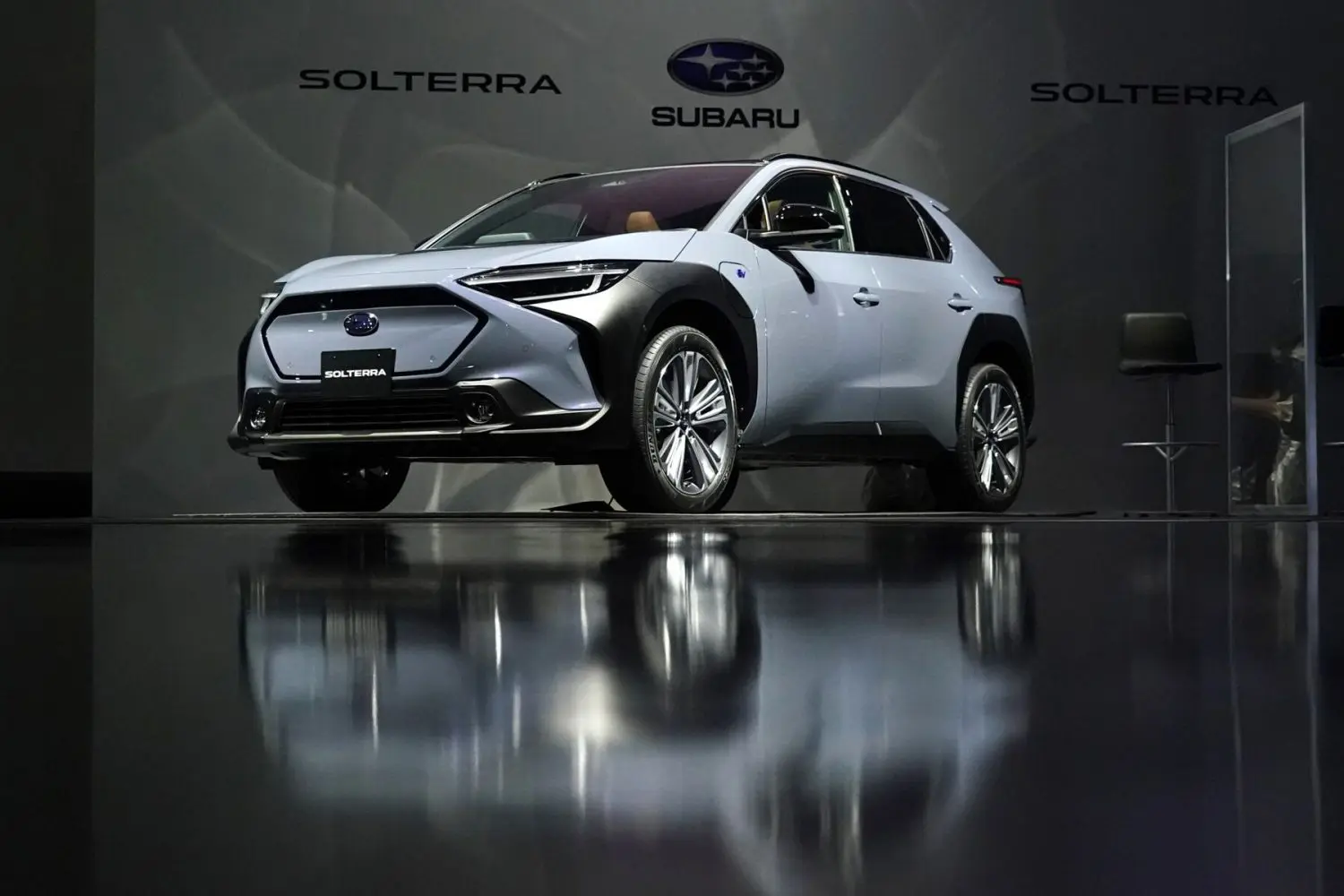
Toyota's collaboration with domestic allies Subaru and Mazda underscores the industry's collective effort to address upcoming emissions standards.
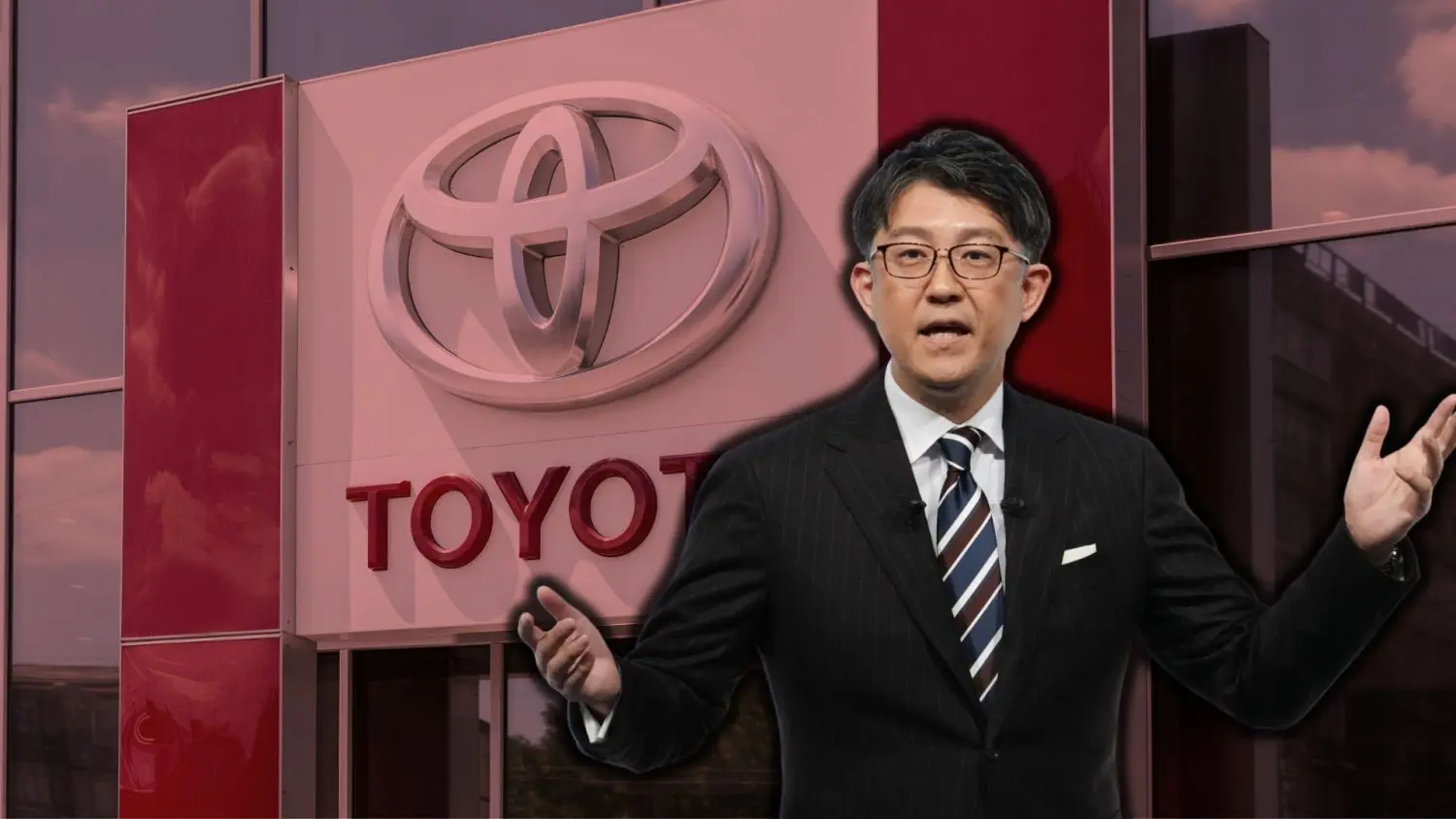
During a recent presentation in Tokyo, Toyota's Chief Executive emphasized the need for ICE vehicles to shift to achieve carbon neutrality.

Toyota is making a significant stride in engine technology with plans to develop smaller engines capable of running on carbon-neutral fuels. This move marks a strategic move by the world’s largest carmaker amid the industry’s transition away from traditional internal combustion engines.

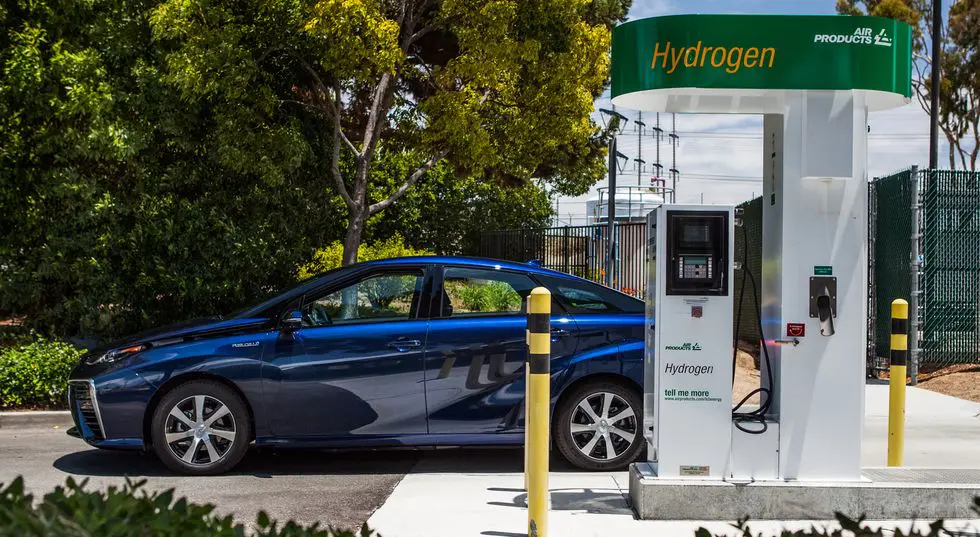
The Japanese automaker aims to decarbonize these engines by creating smaller variants compatible with various fuels, ensuring net zero carbon dioxide emissions. This initiative aligns with Toyota’s broader approach of offering consumers a diverse range of vehicles, including hybrid-electric, hydrogen-powered, and electric cars, as alternatives to fossil fuel-driven engines.

During a recent presentation in Tokyo, Toyota’s Chief Executive Koji Sato emphasized the need for internal combustion engines to evolve and adapt to changing environmental demands. The company’s strategy involves shifting away from fossil fuels and exploring alternatives like e-fuels, biofuels, and liquid hydrogen to achieve carbon neutrality.

Moreover, the development of smaller engines supports environmental goals and enhances design flexibility and aerodynamic performance, ensuring compliance with stringent emissions regulations while maintaining efficiency and power.

While many competitors focus on fully electric vehicles, Toyota’s approach emphasizes a multi-pathway strategy. It incorporates lean, compact engines that can run on green fuels like hydrogen and bioethanol, as well as hybrid configurations combining traditional engines with zero-emissions electric motors.

Moreover, Toyota’s collaboration with domestic allies Subaru and Mazda underscores the industry’s collective effort to address upcoming emissions standards. This cooperative approach aims to accelerate progress while meeting diverse customer needs and acknowledging the significant investments required for mass-producing battery electric vehicles (BEVs).

Despite the push towards BEVs, industry experts like Takahiro Fujimoto caution that challenges remain, ranging from technological advancements to market conditions and sustainability concerns. While BEVs are a crucial part of emissions reduction, they are not a one-size-fits-all solution, with factors like battery production emissions and regional transportation preferences influencing the broader sustainability landscape.

As the automotive industry navigates towards carbon neutrality, Toyota’s innovative engine developments and collaborative initiatives signal a commitment to environmental stewardship while acknowledging the complexities and long-term challenges ahead.
Read More
More from Articles
GM leans on global production to supply U.S. market amid cost pressures

GM leans on global production to supply U.S. market amid cost pressures

- April 17, 2026
On the Dash: Imported inventory may create variability in delivery timing and supply consistency. Trade policy shifts could impact the pricing and availability of certain models. Global production strategies may...
Volkswagen ends U.S. EV output, triggering $600 million financial hit 

Volkswagen ends U.S. EV output, triggering $600 million financial hit 

- April 17, 2026
On the Dash: Slower EV demand may impact inventory planning and turn rates for electric models. Production pullbacks could tighten EV supply or shift sourcing toward imports. Ongoing cost pressures...
March sales surge tightens inventory, affordability gaps persist

March sales surge tightens inventory, affordability gaps persist

- April 17, 2026
On the Dash: Faster March sales improved inventory flow, but demand remains uneven heading into Q2. Limited sub-$40K inventory continues to constrain volume opportunities. Rising incentives indicate growing pressure to...
Independent shops are gaining ground, but dealerships retain advantages in expertise, loyalty, and digital tools: New CDK Service Shopper 5.0 survey shows

Independent shops gain ground as dealerships face mounting pressure

- April 17, 2026
On the dash: Independent shops are gaining share, but dealerships still lead at 42% overall service volume. Dealerships win on expertise, OEM parts access, EV repairs, and stronger customer loyalty...
CBT News
Privacy Overview

This website uses cookies so that we can provide you with the best user experience possible. Cookie information is stored in your browser and performs functions such as recognising you when you return to our website and helping our team to understand which sections of the website you find most interesting and useful.