TSLA400.62011.72%
GM81.3203.27%
F12.8700.43%
RIVN17.2300.34%
CYD43.2600.9381%
HMC25.0000.64%
TM217.2004.34%
CVNA387.50025.26%
PAG161.3205.3%
LAD283.0408.17%
AN207.9909.7%
GPI349.94014.46%
ABG211.4407.35%
SAH70.7003.33%
TSLA400.62011.72%
GM81.3203.27%
F12.8700.43%
RIVN17.2300.34%
CYD43.2600.9381%
HMC25.0000.64%
TM217.2004.34%
CVNA387.50025.26%
PAG161.3205.3%
LAD283.0408.17%
AN207.9909.7%
GPI349.94014.46%
ABG211.4407.35%
SAH70.7003.33%
TSLA400.62011.72%
GM81.3203.27%
F12.8700.43%
RIVN17.2300.34%
CYD43.2600.9381%
HMC25.0000.64%
TM217.2004.34%
CVNA387.50025.26%
PAG161.3205.3%
LAD283.0408.17%
AN207.9909.7%
GPI349.94014.46%
ABG211.4407.35%
SAH70.7003.33%

Toyota ranked worst in climate lobbying and EV plans, InfluenceMap report

A significant portion of this lobbying originates from automakers and their affiliations with industry trade associations.
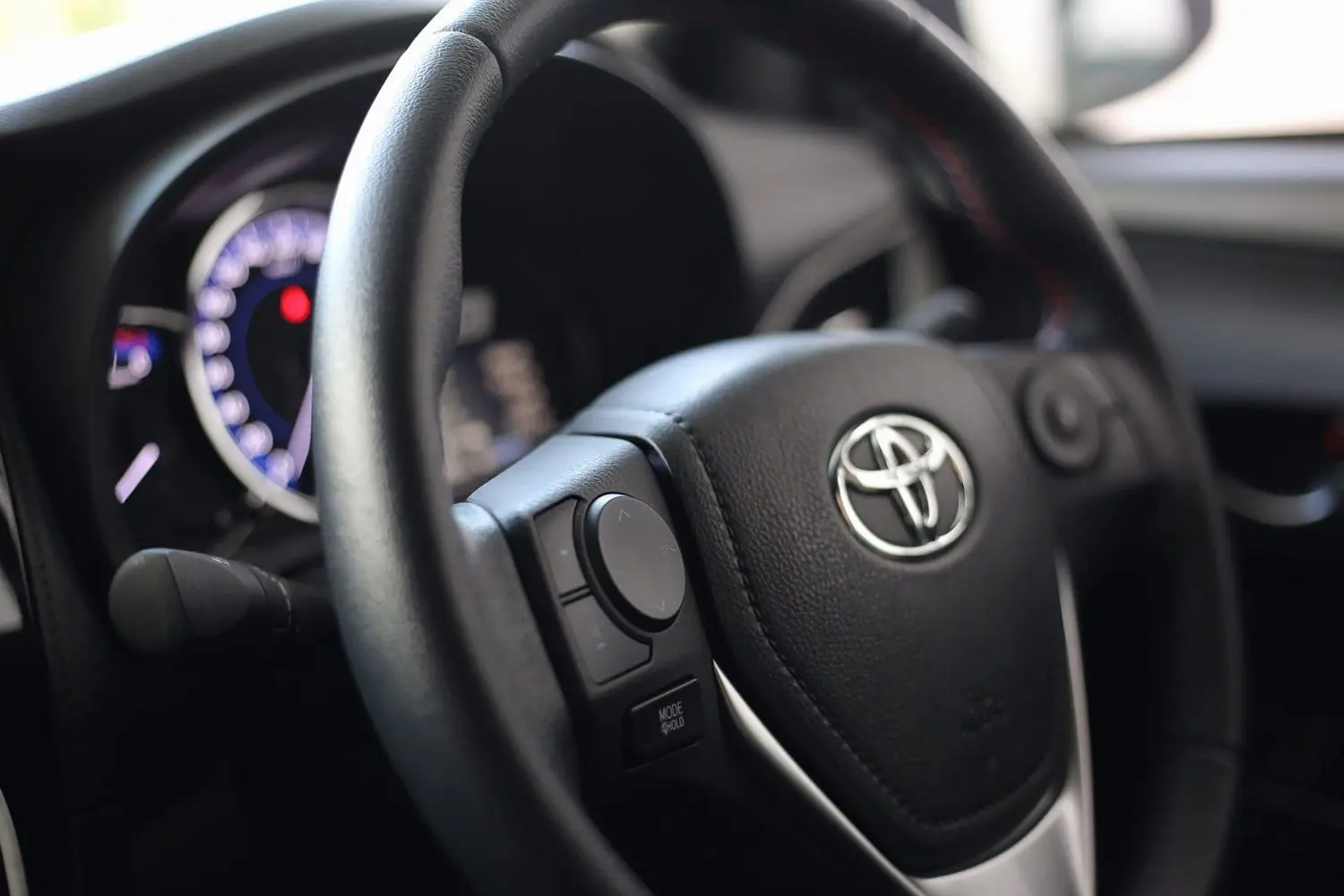
Toyota has been position as the automaker with the lowest climate lobbying score and the third-worst 2030 EV production plans.

InfluenceMap’s latest annual report on climate lobbying in the automotive industry reveals Toyota’s position as the automaker with the lowest climate lobbying score and the third-worst 2030 EV production plans. This ranking underscores Toyota’s persistent struggle to align with climate policy goals.

The report consistently places Toyota at the bottom of InfluenceMap’s climate policy engagement rankings, reflecting the company’s ongoing challenges in climate advocacy. InfluenceMap’s assessments encompass automakers’ EV strategies and their efforts to influence government policies concerning pollution control.

A significant portion of this lobbying originates from automakers and their affiliations with industry trade associations, which pool resources to enhance lobbying effectiveness. InfluenceMap evaluates these trade associations’ actions globally, considering factors like membership, lobbying stances, and future manufacturing plans.

While leading the rankings, Tesla received a “B” score due to its lower engagement intensity despite supporting favorable climate policies. Other automakers like Ford, GM, VW, and Mercedes earned recognition for occasional positive initiatives. However, most automakers fell short, receiving grades below passing, highlighting the industry-wide challenge in climate advocacy.

Japanese automakers, including Toyota, consistently rank poorly in these assessments, reflecting the slower pace of electrification in the Japanese EV industry. Although Nissan stands out among Japanese automakers, it also falls short of passing grades.

Regarding EV production plans, only a few automakers are on track to meet the International Energy Agency’s 2030 target of 66% EVs, which is crucial for limiting climate change. While not ranking last in this aspect, Toyota faces criticism for its negative climate lobbying, reinforcing its position as the worst-ranked automaker on climate issues in InfluenceMap’s report, a title it has held for several years.
Read More
More from Articles
STL launches ‘Neuralis’ in the US: A high-performance Data Center portfolio engineered for the AI era

STL launches ‘Neuralis’ in the US: A high-performance Data Center portfolio engineered for the AI era

- April 17, 2026
Washington, United States, 17/April/2026: STL Optical Connectivity NA, LLC,  (STLOC),  a U.S. subsidiary of STL [NSE: STLTECH], a leading connectivity solutions provider for AI-ready digital infrastructure, today announced the U.S. launch of Neuralis, its flagship...
GM leans on global production to supply U.S. market amid cost pressures

GM leans on global production to supply U.S. market amid cost pressures

- April 17, 2026
On the Dash: Imported inventory may create variability in delivery timing and supply consistency. Trade policy shifts could impact the pricing and availability of certain models. Global production strategies may...
Volkswagen ends U.S. EV output, triggering $600 million financial hit 

Volkswagen ends U.S. EV output, triggering $600 million financial hit 

- April 17, 2026
On the Dash: Slower EV demand may impact inventory planning and turn rates for electric models. Production pullbacks could tighten EV supply or shift sourcing toward imports. Ongoing cost pressures...
March sales surge tightens inventory, affordability gaps persist

March sales surge tightens inventory, affordability gaps persist

- April 17, 2026
On the Dash: Faster March sales improved inventory flow, but demand remains uneven heading into Q2. Limited sub-$40K inventory continues to constrain volume opportunities. Rising incentives indicate growing pressure to...
CBT News
Privacy Overview

This website uses cookies so that we can provide you with the best user experience possible. Cookie information is stored in your browser and performs functions such as recognising you when you return to our website and helping our team to understand which sections of the website you find most interesting and useful.