TSLA348.9503.33%
GM76.420-0.31%
F12.123-0.1175%
RIVN15.4300.19%
CYD42.780-0.06%
HMC24.040-0.33%
TM210.640-0.5%
CVNA336.2439.313%
PAG156.1200.97%
LAD273.1006.56%
AN200.5200.1%
GPI338.1400.03%
ABG204.0001.95%
SAH68.0600.235%
TSLA348.9503.33%
GM76.420-0.31%
F12.123-0.1175%
RIVN15.4300.19%
CYD42.780-0.06%
HMC24.040-0.33%
TM210.640-0.5%
CVNA336.2439.313%
PAG156.1200.97%
LAD273.1006.56%
AN200.5200.1%
GPI338.1400.03%
ABG204.0001.95%
SAH68.0600.235%
TSLA348.9503.33%
GM76.420-0.31%
F12.123-0.1175%
RIVN15.4300.19%
CYD42.780-0.06%
HMC24.040-0.33%
TM210.640-0.5%
CVNA336.2439.313%
PAG156.1200.97%
LAD273.1006.56%
AN200.5200.1%
GPI338.1400.03%
ABG204.0001.95%
SAH68.0600.235%

Biden administration imposes tariffs on Chinese products

While the initial impact on inflation and trade volume may be limited, the tariffs signal a strategic shift in U.S.-China economic relations.
New tariffs targeting Chinese EVs, batteries, solar cells, steel, aluminum, and medical equipment will be implemented gradually over 3 years. Bidens' admin imposed tariffs on Chinese EVs, Lotlinx's inaugural Quarterly Vincensus Report. Stay up to date with the latest industry news.

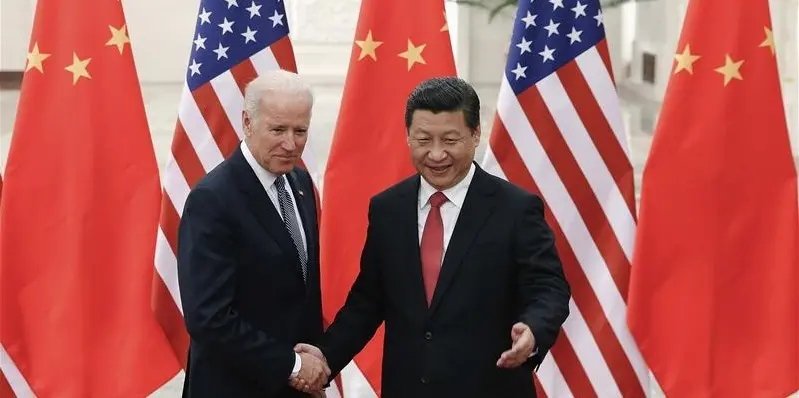
US President Joe Biden and Chinese President Xi Jinping | Image Source | The Wire

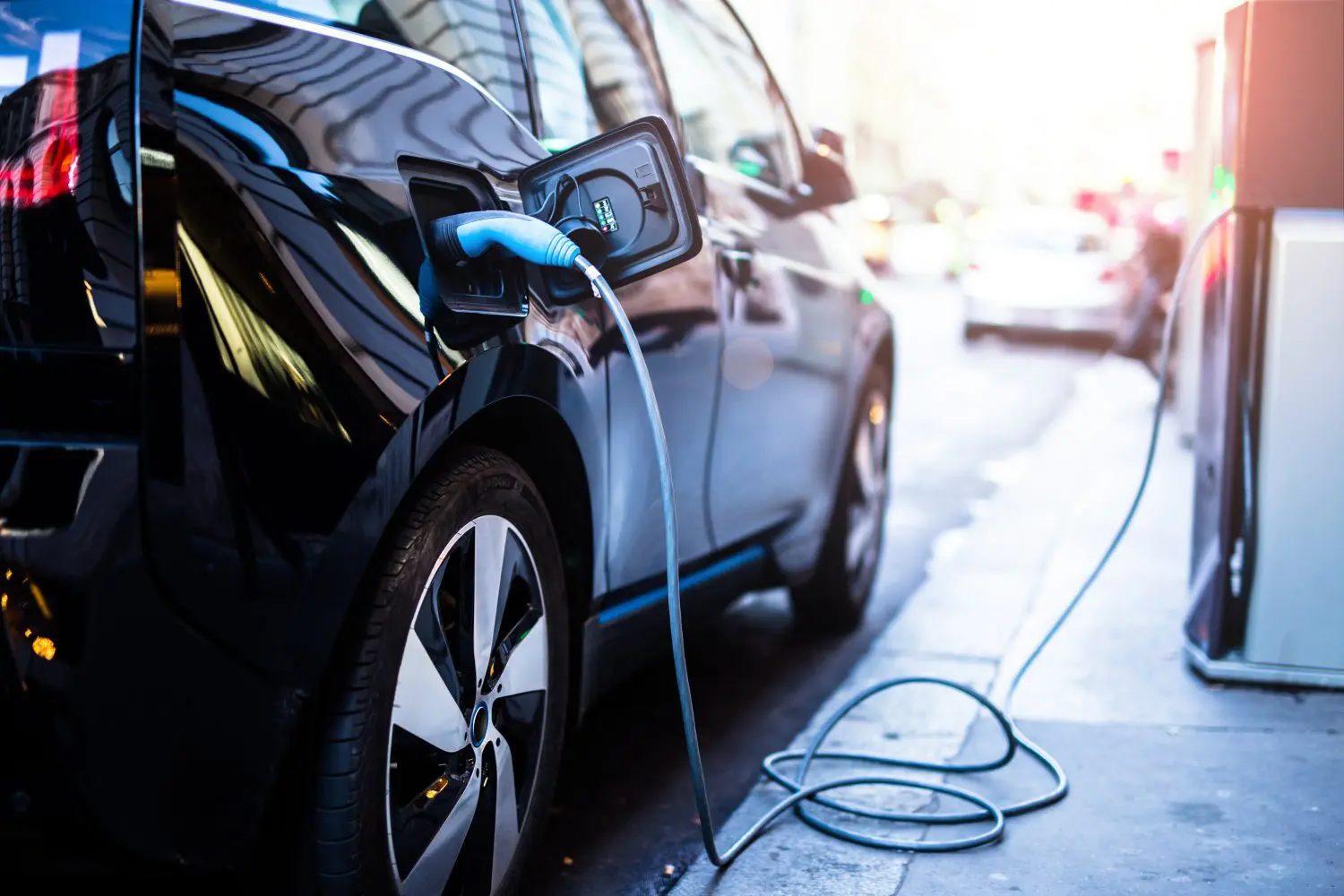
The Biden administration has announced new tariffs targeting Chinese electric vehicles (EVs), advanced batteries, solar cells, steel, aluminum, and medical equipment, which will be implemented gradually over the next three years. This move is part of the administration’s effort to demonstrate toughness on China and address concerns about unfair trade practices and national security risks.  

The tariffs are part of a comprehensive review under Section 301 of the Trade Act of 1974, which aims to respond to unfair trade practices. The administration believes the structured implementation of tariffs will help mitigate potential inflationary effects. However, tensions with China are expected to escalate, possibly leading to retaliatory measures from China and introducing risks and uncertainties associated with the tariffs.

Moreover, Chinese goods, particularly EVs, which can be sold for as low as $12,000 due to government subsidies, are a vital focus of the tariffs. The administration’s decision to impose substantial tariffs, including a significant increase to 102.5% on Chinese EVs this year, clearly indicates its commitment to addressing concerns about unfair trade practices and national security risks. 

While the initial impact on inflation and trade volume may be limited, the tariffs signal a strategic shift in U.S.-China economic relations. The Biden administration emphasizes its focus on protecting domestic industries and workers, reflecting a departure from Trump’s broader tariff threats. These actions raise broader questions about global economic leadership and fair competition standards, with potential implications for future trade dynamics and geopolitical relationships.
Read More
More from Articles
Ship.Cars announces strategic partnership with Axe to introduce AI voice automation for logistics (1)

Ship.Cars announces strategic partnership with Axe to introduce AI voice automation for logistics

- April 10, 2026
March 30, 2026 — Ship.Cars, a leading provider of transportation management solutions for the automotive logistics industry, today announced a new partnership with Axe to bring AI-powered voice automation to...
Volkswagen to halt U.S. production of ID.4 as EV demand softens

Volkswagen to halt U.S. production of ID.4 as EV demand softens

- April 10, 2026
On the Dash: Volkswagen will stop producing the ID.4 at its Chattanooga, Tennessee, plant in April 2026, marking a major shift in its U.S. EV strategy. The move reflects broader...
Kia targets U.S. pickup market with hybrid truck launch by 2030

Kia targets U.S. pickup market with hybrid truck launch by 2030

- April 10, 2026
On the Dash: Kia will launch its first U.S.-focused pickup by 2030, marking its entry into one of the industry’s most competitive segments. The truck will feature hybrid and extended-range...
Cars.com cuts 11% of workforce, boosts share buyback plan amid cost realignment

Cars.com cuts 11% of workforce, boosts share buyback plan amid cost realignment

- April 10, 2026
On the Dash: Cars.com is reducing its workforce by 11% as part of a broader effort to streamline operations and control costs. The company increased its share repurchase authorization, signaling...
CBT News
Privacy Overview

This website uses cookies so that we can provide you with the best user experience possible. Cookie information is stored in your browser and performs functions such as recognising you when you return to our website and helping our team to understand which sections of the website you find most interesting and useful.