In a recent interview, Mitch Phillips, Global Director of Data at Urban Science, delved into the mid-year Franchise Activity Report (FAR) findings. In today’s episode of CBT Now, Phillips discusses the factors behind the slight growth in U.S. dealerships, the projected rise in throughput, and the evolving trends in inventory management. He also shared his insights into the future of the dealership landscape, hybrid and EV adoption, and the return of leasing post-pandemic.
Key Takeaways
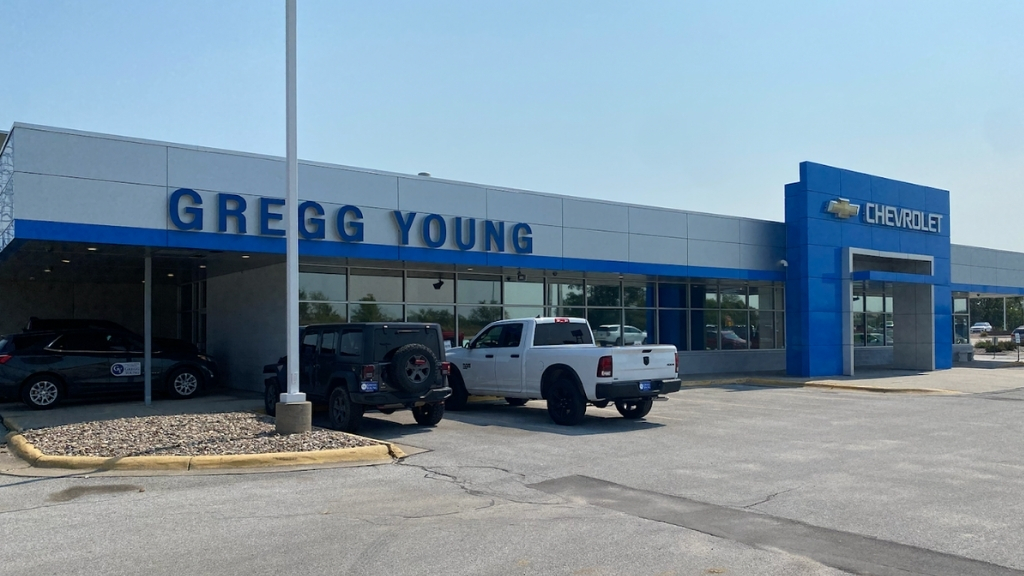
1. While Urban Science’s mid-year Franchise Activity Report indicates a slight increase in the number of U.S. dealerships, Mitch Phillips emphasizes the overall stability of the dealership count since 2010. Despite industry challenges, the total number of brick-and-mortar dealerships has fluctuated very little, with annual net changes of only around 100 stores—insignificant when considering the 18,000 total U.S. dealerships. This consistency reflects a stable foundation for the automotive retail sector, in contrast to the declines seen in earlier decades.
2. Although the number of dealerships remains steady, franchise numbers have shown a slight decline. Phillips explains that this is normal in the business as brands consolidate or new players enter the market. There are around 30,000 franchises in the U.S., which has been stable since 2013. The ebb and flow of franchise counts is not cause for concern but reflects normal industry adjustments, such as mergers or brand realignments.
3. Throughput, or the number of vehicles sold per dealership, is projected to rise from 851 units in 2023 to 879 units in 2024. Phillips attributes this to stable dealership counts and the increasing inventory availability following the supply chain disruptions caused by COVID-19. Higher throughput signals improved dealership profitability as the industry moves toward better inventory management. Once critically low, inventory levels are now increasing to a new normal of 50 to 60 days of supply.
4. Phillips highlights a significant trend in the rise of hybrid and plug-in hybrid vehicles, which now account for 20% of total market sales. These vehicles serve as a bridge for consumers hesitant to fully transition to electric vehicles (EVs). Plug-in hybrids and traditional hybrids offer a compromise by easing concerns about range anxiety and charging infrastructure. Phillips sees hybrids as a critical step in transitioning toward a future dominated by alternative fuel vehicles, including full EVs and potentially hydrogen-powered cars.
5. Leasing, which dropped to just 12% of the market during the pandemic, is now recovering toward pre-COVID levels of around 20%. This is largely due to improved inventory availability and increased consumer demand. As the automotive industry recovers, incentives for both leasing and purchasing vehicles are slowly returning. Phillips notes that the pandemic forced many consumers to purchase less-than-ideal vehicles. As the supply chain stabilizes, more consumers are expected to lease vehicles that better match their preferences.
“Knowing what works in your market, as far as the unit type and its details, is key to managing your inventory successfully. That’s especially important as inventory grows and the dealership count remains stable.” – Mitch Phillips.