TSLA348.9503.33%
GM76.420-0.31%
F12.123-0.1175%
RIVN15.4300.19%
CYD42.780-0.06%
HMC24.040-0.33%
TM210.640-0.5%
CVNA336.2439.313%
PAG156.1200.97%
LAD273.1006.56%
AN200.5200.1%
GPI338.1400.03%
ABG204.0001.95%
SAH68.0600.235%
TSLA348.9503.33%
GM76.420-0.31%
F12.123-0.1175%
RIVN15.4300.19%
CYD42.780-0.06%
HMC24.040-0.33%
TM210.640-0.5%
CVNA336.2439.313%
PAG156.1200.97%
LAD273.1006.56%
AN200.5200.1%
GPI338.1400.03%
ABG204.0001.95%
SAH68.0600.235%
TSLA348.9503.33%
GM76.420-0.31%
F12.123-0.1175%
RIVN15.4300.19%
CYD42.780-0.06%
HMC24.040-0.33%
TM210.640-0.5%
CVNA336.2439.313%
PAG156.1200.97%
LAD273.1006.56%
AN200.5200.1%
GPI338.1400.03%
ABG204.0001.95%
SAH68.0600.235%

Biden admin increases Chinese EV tariffs, set to take effect on Sept. 27

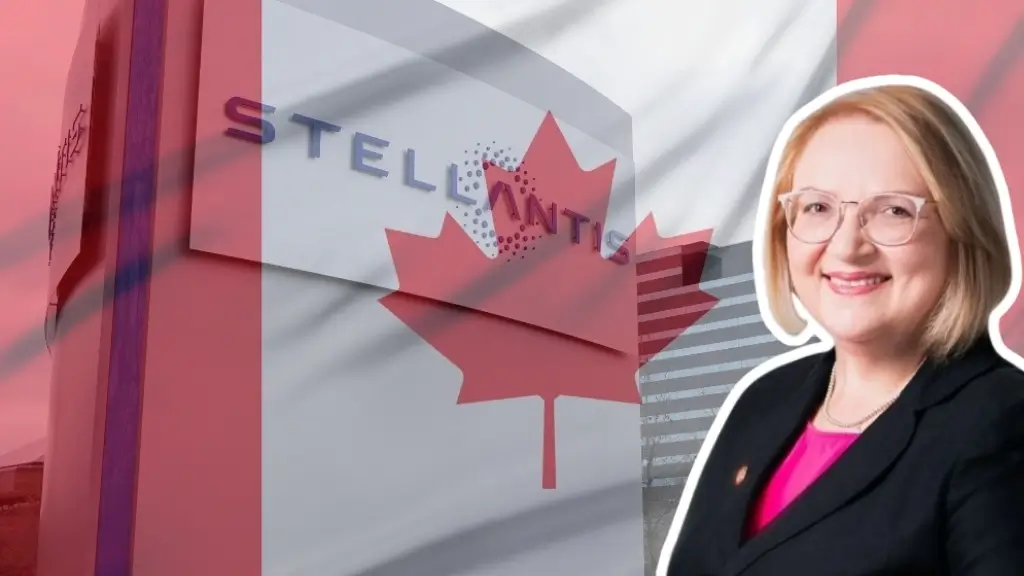
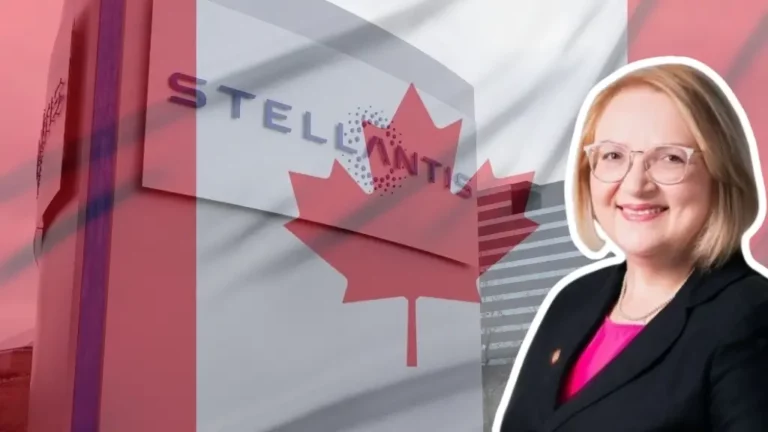
In parallel, other nations such as the European Union and Canada also increased tariffs on Chinese EV imports, with Canada matching the 100% U.S. duties.
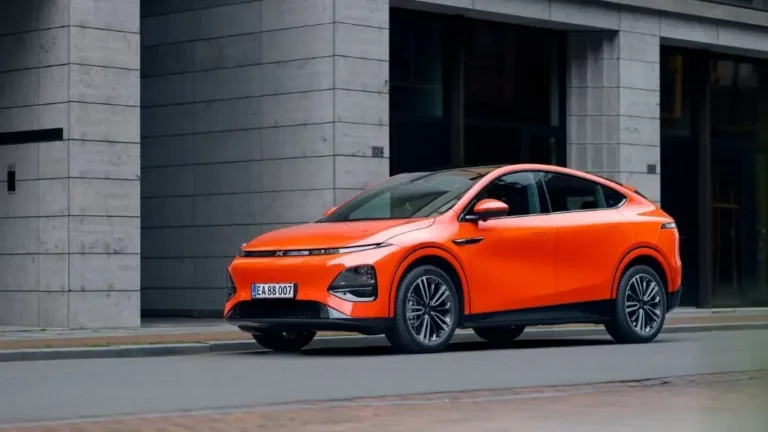
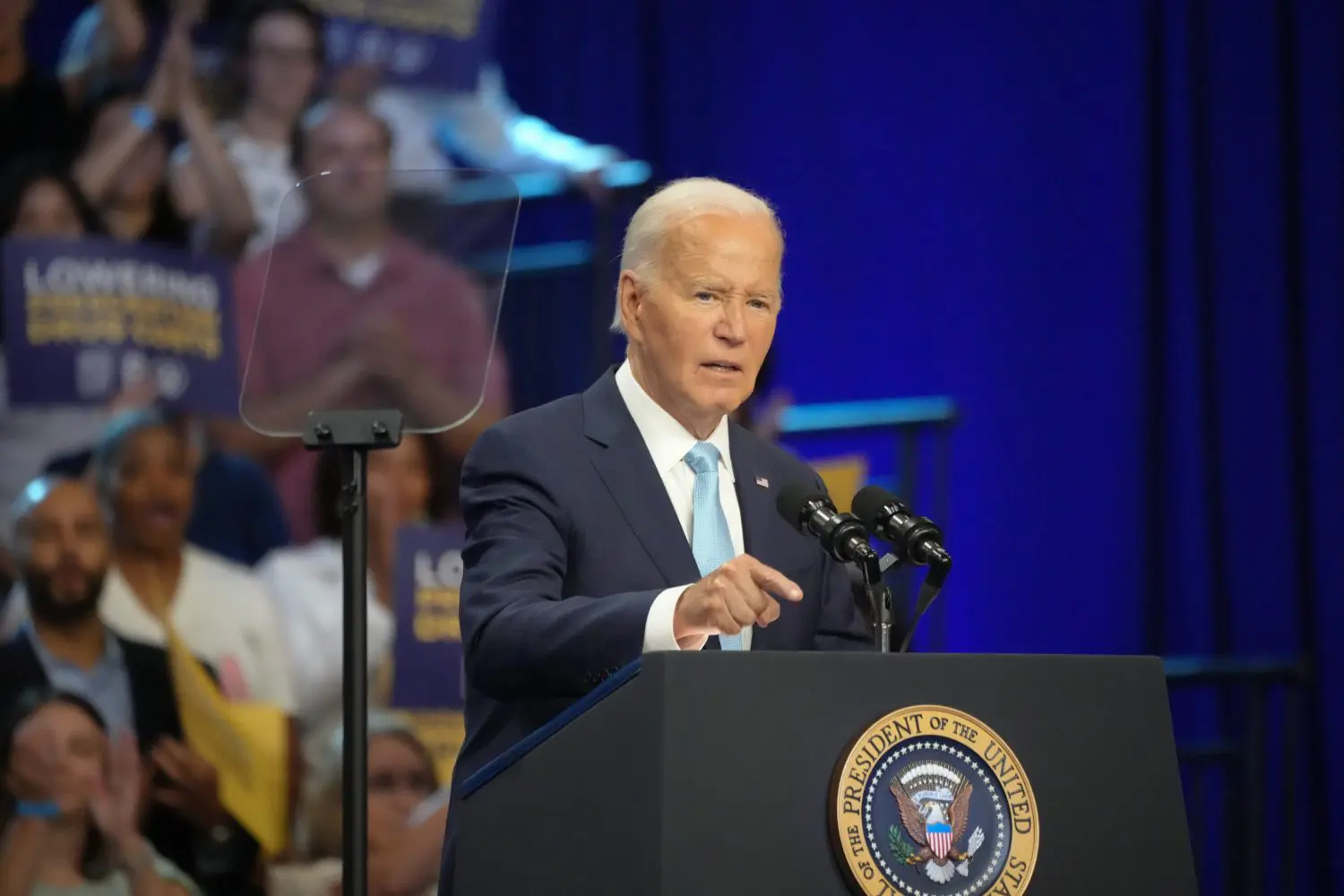
The Biden administration has confirmed major tariff hikes on Chinese imports, including a 100% duty on EVs, to protect domestic industries

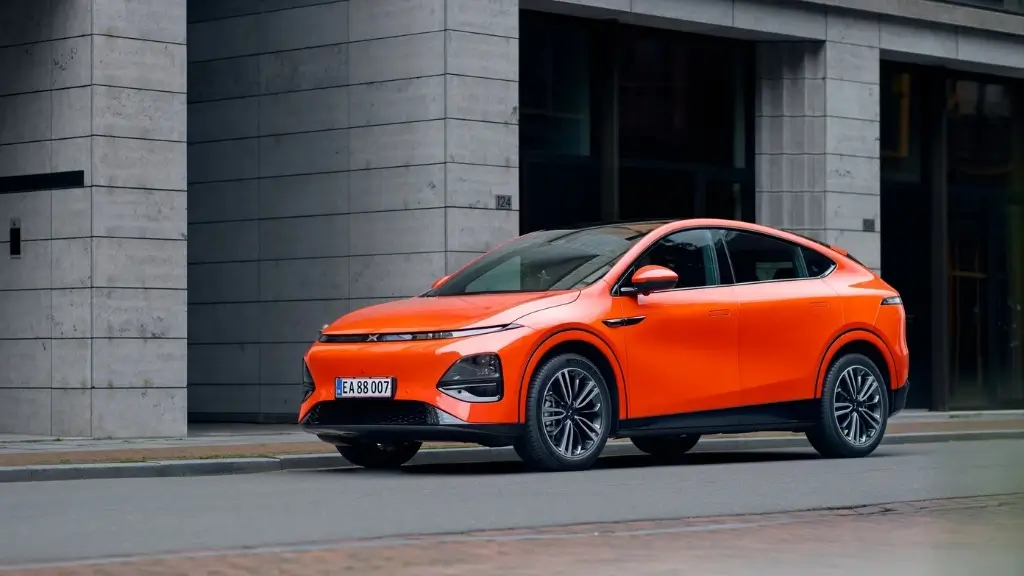
The Biden administration has confirmed significant tariff hikes on Chinese imports, including a 100% duty on electric vehicles (EVs), to protect domestic industries from China’s state-driven excess production capacity. The U.S. Trade Representative (USTR) announced that the tariffs, including a 50% duty on solar cells and a 25% duty on steel, aluminum, EV batteries, and key minerals, will take effect on September 27.

A notable aspect of the tariff changes is the inclusion of Chinese semiconductors, with a 50% tariff set to begin in 2025. Additionally, tariffs on lithium-ion batteries and related components, critical for EV production, will increase to 25%, despite pleas from the auto industry to lower them due to heavy reliance on Chinese supplies.

According to Lael Brainard, White House economic adviser, these “tough, targeted” tariffs are necessary to reduce the U.S. EV industry’s dependence on China’s supply chain, which has gained an unfair cost advantage in global markets. The 100% tariff on Chinese EVs is designed to counteract this, preventing China from dominating U.S. auto markets as it has in other regions.

China has condemned these tariff increases as “bullying” and claims its EV industry’s success is driven by innovation rather than government support. This move by the U.S. coincides with efforts by Vice President Kamala Harris and former President Donald Trump to present strong stances on China as part of their respective campaigns in auto-producing states ahead of the upcoming presidential election. Trump has proposed a 60% tariff on all Chinese imports.

In parallel, other nations such as the European Union and Canada also increased tariffs on Chinese EV imports, with Canada matching the 100% U.S. duties.

The USTR decision also includes some adjustments, such as delayed tariffs on Chinese-made medical face masks and syringes and a temporary exclusion for Chinese port cranes ordered before May 2026. Despite these revisions, the administration’s overarching strategy remains focused on securing the future of U.S. strategic industries like EVs, solar, and semiconductors.
Read More
More from Articles
Ship.Cars announces strategic partnership with Axe to introduce AI voice automation for logistics (1)

Ship.Cars announces strategic partnership with Axe to introduce AI voice automation for logistics

- April 10, 2026
March 30, 2026 — Ship.Cars, a leading provider of transportation management solutions for the automotive logistics industry, today announced a new partnership with Axe to bring AI-powered voice automation to...
Volkswagen to halt U.S. production of ID.4 as EV demand softens

Volkswagen to halt U.S. production of ID.4 as EV demand softens

- April 10, 2026
On the Dash: Volkswagen will stop producing the ID.4 at its Chattanooga, Tennessee, plant in April 2026, marking a major shift in its U.S. EV strategy. The move reflects broader...
Kia targets U.S. pickup market with hybrid truck launch by 2030

Kia targets U.S. pickup market with hybrid truck launch by 2030

- April 10, 2026
On the Dash: Kia will launch its first U.S.-focused pickup by 2030, marking its entry into one of the industry’s most competitive segments. The truck will feature hybrid and extended-range...
Cars.com cuts 11% of workforce, boosts share buyback plan amid cost realignment

Cars.com cuts 11% of workforce, boosts share buyback plan amid cost realignment

- April 10, 2026
On the Dash: Cars.com is reducing its workforce by 11% as part of a broader effort to streamline operations and control costs. The company increased its share repurchase authorization, signaling...
CBT News
Privacy Overview

This website uses cookies so that we can provide you with the best user experience possible. Cookie information is stored in your browser and performs functions such as recognising you when you return to our website and helping our team to understand which sections of the website you find most interesting and useful.