On the Dash:
- Japanese automakers have absorbed nearly $28 billion in costs tied to U.S. policy changes, with another $14 billion expected through March 2027.
- Tariffs are driving manufacturers to reevaluate North American production footprints and supply chains.
- Slower EV demand and regulatory uncertainty could influence future product allocations, manufacturing investments, and vehicle availability.
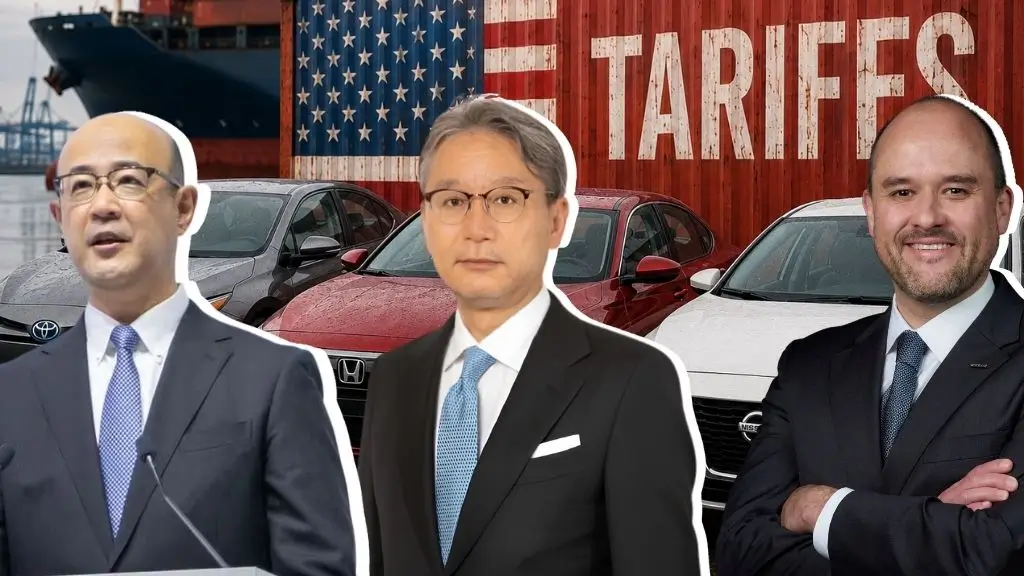
U.S. tariffs, shifting electric vehicle (EV) policies, and changes in emissions regulations have cost Japan’s six largest automakers an estimated $27.6 billion during the fiscal year ending March 31, 2026. Industry forecasts project an additional $14.4 billion in costs by March 2027, bringing the total impact to over $40 billion, according to Automotive Manufacturing Solutions.
These policy changes are compelling automakers to reevaluate long-term manufacturing, investment, and product strategies across North America. Tariffs drove the largest share of those costs, totaling roughly $15.2 billion for the fiscal year. New trade barriers have also disrupted the integrated U.S.-Canada-Mexico supply chains that Japanese automakers built their North American strategies around, which has led to intensifying pressure to relocate production and reduce costs.
Key impacts on major automakers regarding tariffs and EV production:
- Toyota expects tariff-related costs to reach around $17.2 billion through March 2027.
- Honda projects roughly $15.2 billion in tariff costs over the same period and recorded $9.1 billion in EV-related write-downs after scaling back its EV plans and canceling certain programs, contributing to the company’s first annual loss since going public nearly 70 years ago.
- Nissan anticipates nearly $3.1 billion in tariff expenses as it works to stabilize operations and profitability. The automaker is facing weaker-than-expected EV demand and has retooled its Canton, Mississippi, plant from EV production to truck manufacturing.
- Subaru’s failure to launch its first in-house EV has cost the automaker $361 million in EV-related impairments.
Regulatory changes
Looser emissions standards benefited some manufacturers by allowing them to reverse previously incurred compliance costs. Nissan recovered roughly $643 million through released emissions reserves, while Subaru recorded a $126 million write-off after emissions credits it had purchased became unnecessary under revised regulations.
Executives across the industry say future investment decisions increasingly depend on political and regulatory developments rather than traditional manufacturing considerations. Automakers are adjusting production plans, delaying projects, and reconsidering where future vehicles will be built. The industry’s biggest challenge may be less about absorbing current costs than about redesigning operations quickly enough to stay ahead of future policy shifts.