TSLA373.720-13.79%
GM78.520-0.48%
F12.480-0.15%
RIVN16.950-0.79%
CYD41.870-0.72%
HMC24.480-0.14%
TM196.080-4.35%
CVNA403.000-13.79%
PAG160.0000.53%
LAD276.390-0.19%
AN202.970-0.41%
GPI339.780-2.08%
ABG202.010-0.44%
SAH71.2200.2%
TSLA373.720-13.79%
GM78.520-0.48%
F12.480-0.15%
RIVN16.950-0.79%
CYD41.870-0.72%
HMC24.480-0.14%
TM196.080-4.35%
CVNA403.000-13.79%
PAG160.0000.53%
LAD276.390-0.19%
AN202.970-0.41%
GPI339.780-2.08%
ABG202.010-0.44%
SAH71.2200.2%
TSLA373.720-13.79%
GM78.520-0.48%
F12.480-0.15%
RIVN16.950-0.79%
CYD41.870-0.72%
HMC24.480-0.14%
TM196.080-4.35%
CVNA403.000-13.79%
PAG160.0000.53%
LAD276.390-0.19%
AN202.970-0.41%
GPI339.780-2.08%
ABG202.010-0.44%
SAH71.2200.2%

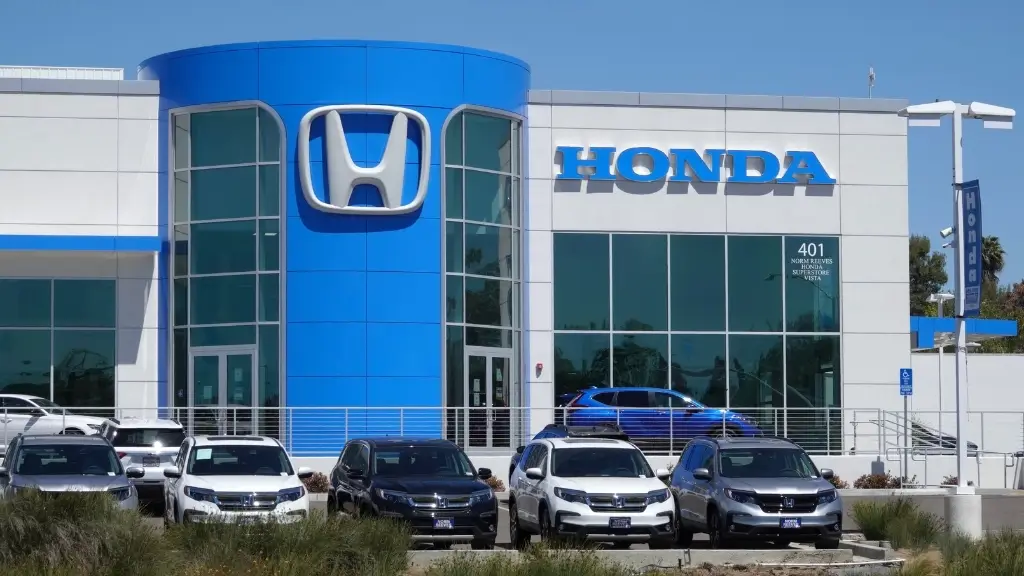
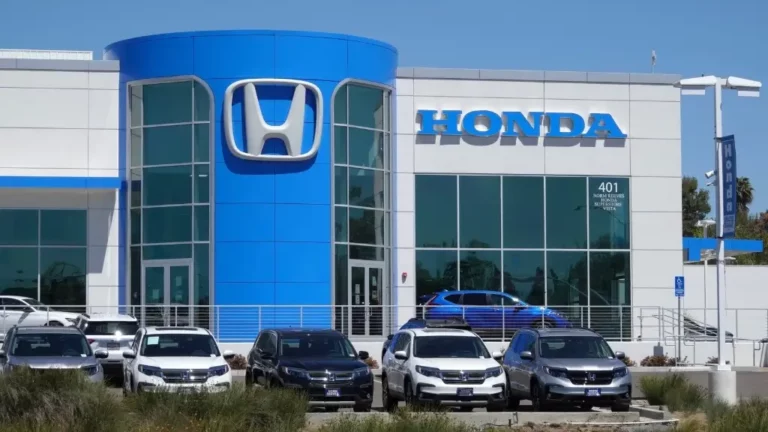
Honda ups earnings forecast after massive increase in U.S. sales

Honda increased its annual profit expectations after seeing a notable improvement in year-over-year sales in the third quarter
Honda increased its annual profit expectations after seeing a notable improvement in year-over-year sales in the third quarter.

Honda boosted its earnings forecast for the fiscal year ending March 31 after reporting impressive profitability improvements over its third quarter.

The automaker now expects to generate roughly $8.4. billion in annual profits, up 4.2% from its previous target of $8 billion. The upwardly revised estimate arrived as Honda revealed its operating profits rose 35% during the October-through-December period, hitting approximately $2.5 billion thanks to a sharp increase in global sales observed throughout 2023.

Honda sold almost 4 million units last year, representing a 5.6% increase in volume. While demand dipped in China, where domestic brands have started to claim more market share, the drop was offset by the company’s substantial success in the U.S., which saw deliveries rise 33% to approximately 1.3 million units.

The improvement marked the first time in eight years that Honda sales rose in North America, although the company’s 2022 numbers were heavily suppressed by supply chain disruptions and a global chip shortage. Compared to 2021, the company’s annual volume in the U.S. improved roughly 18%.

Honda is not the only automaker to boost its earnings forecast after a successful quarter. Ford and Toyota both posted optimistic profit targets earlier this week, citing inventory gains, rising sales, and stabilizing demand. However, other brands, such as Tesla, have displayed more caution toward 2024, citing concerns over high interest rates in the U.S. and unaffordable car prices, which have effectively blocked many consumers from the new vehicle market.
Read More
More from Articles
Ford doubles down on U.S. assembly as trade policies shift industry strategy

Ford doubles down on U.S. assembly as trade policies shift industry strategy

- April 24, 2026
On the Dash: Ford’s domestic production advantage may become a stronger selling point as “Made in America” messaging gains traction. Policy-driven incentives could shift consumer demand toward U.S.-assembled vehicles Inventory...
Stellantis to prioritize four core brands in turnaround strategy, sources say The automaker plans to shift funding toward Jeep, Ram, Peugeot, and Fiat while maintaining its broader portfolio. On the Dash: Expect increased product investment and marketing support for Jeep, Ram, Peugeot and Fiat. Regional and niche brands may see reduced volume but more targeted positioning and shared platforms. Platform-sharing and rebadging strategies could affect inventory mix and model differentiation. Stellantis will concentrate most of its investment on four core brands as CEO Antonio Filosa pushes a turnaround strategy set for release May 21, according to a Reuters exclusive. The automaker has identified Jeep, Ram, Peugeot, and Fiat as its priority brands. It will allocate a “material increase” in funding to them, driven by their stronger global sales and profitability, marking a shift away from the company’s previous approach of distributing investment more evenly across its portfolio. Sign up for CBT News’ daily newsletter and get the latest industry stories delivered straight to your inbox. Stellantis will retain its 14-brand lineup, the largest in the industry, and will not shut down underperforming marques. Instead, the company will reposition secondary brands such as Citroën, Opel and Alfa Romeo to operate in regional or niche roles. These brands will rely on shared platforms and technology developed by the core brands while maintaining distinct styling and market identity. The strategy comes as Stellantis works to regain market share in the United States and Europe while facing growing competition from Chinese EV makers. The company earlier reported a 22.2 billion-euro charge tied to scaling back its EV plans, underscoring the urgency of the strategic shift. Its market valuation has also declined significantly in recent months. To support the transition, Stellantis will expand its use of shared “multi-energy” platforms that support electric, hybrid and internal combustion (ICE) vehicles. Additionally, the company is evaluating rebadging strategies and joint development programs, including collaborations with its Chinese partner, Leapmotor. Executives and investors backing the plan expect the increased focus on core brands to improve efficiency and strengthen financial performance. Analysts say Stellantis could still consider further consolidation if results fall short of expectations. Meta description (140 characters) Stellantis to boost funding for Jeep, Ram, Peugeot and Fiat, shifting strategy while maintaining its 14-brand global portfolio.

Stellantis to prioritize four core brands in turnaround strategy, sources say

- April 24, 2026
On the Dash: Expect increased product investment and marketing support for Jeep, Ram, Peugeot and Fiat. Regional and niche brands may see reduced volume but more targeted positioning and shared...
Hyundai's profit drops 24% as tariffs, weak global demand persist 

Hyundai’s profit drops 24% as tariffs, weak global demand persist 

- April 24, 2026
On the Dash: Tariffs remain a major risk to profitability, even with reduced rates, affecting pricing and margins. Hybrid and SUV demand in the U.S. continues to outperform, signaling stable...
The latest JD Power-GlobalData forecast shows a decline in new car sales in April, but you can blame last year's tariff panic, not today's buyers.

New car sales drop 7.3% in April, but don’t blame buyers

- April 24, 2026
On the Dash: The latest JD Power-GlobalData forecast shows April's 7.3% sales drop stems from last spring's tariff-driven buying rush. Nearly one in three trade-ins carries negative equity, making deals...
CBT News
Privacy Overview

This website uses cookies so that we can provide you with the best user experience possible. Cookie information is stored in your browser and performs functions such as recognising you when you return to our website and helping our team to understand which sections of the website you find most interesting and useful.