On the Dash:
- Tariffs remain a major risk to profitability, even with reduced rates, affecting pricing and margins.
- Hybrid and SUV demand in the U.S. continues to outperform, signaling stable retail opportunities.
- OEM investment in AI, robotics, and EV localization signals long-term shifts in product and retail strategy.
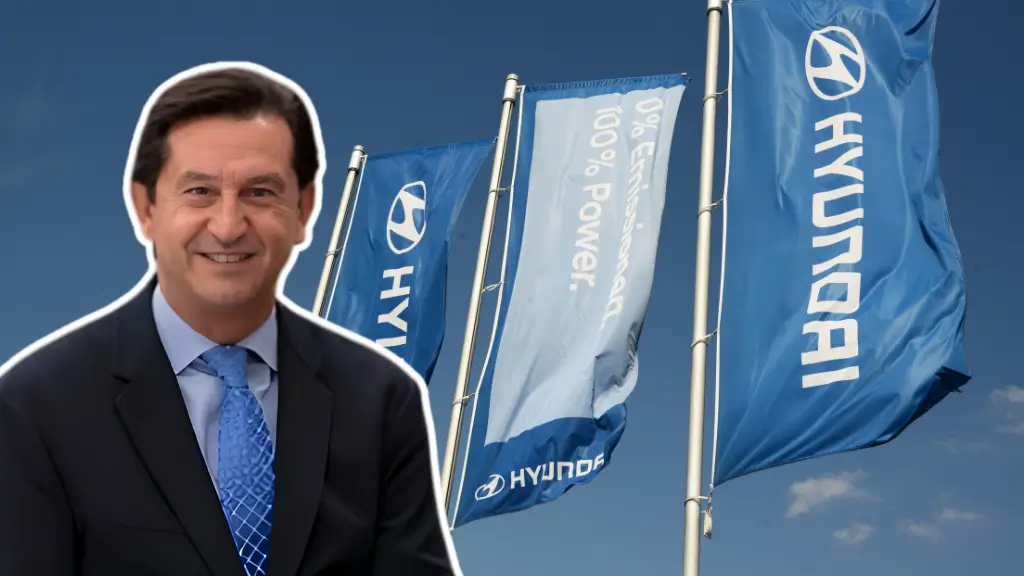
Hyundai reported a 24% year-over-year decline in net profit to 2.585 trillion won in Q1, as tariffs and slowing demand weighed on earnings.
The automaker posted a net profit of 2.585 trillion won ($1.75 billion) for the January-March period, down from a year earlier. Revenue rose 3.4% to a record 45.939 trillion won, while operating profit fell 31% to 2.515 trillion won.
Tariffs continued to pressure results despite a Seoul-Washington trade agreement that lowered duties on most Korean exports to 15%. Hyundai said adjusted tariff rates cost the company about 860 billion won during the quarter. The company previously estimated that higher U.S. levies reduced earnings by roughly $2.8 billion in 2025.
Rising raw material costs tied to instability in the Middle East and higher marketing expenses also weighed on profitability as competition intensified across key markets.
Global vehicle sales declined 2.5% year over year. Sales in Africa and the Middle East dropped 30%, reflecting disruption tied to regional conflict. European and Chinese sales fell 7.8% and 7.9%, respectively, while South Korean sales declined 4.4%.
Conversely, Hyundai reported modest growth in the U.S., where sales rose 0.3% as demand for hybrid vehicles and sport utility vehicles increased amid higher oil prices.
Hyundai continues to expand its long-term strategy focused on AI, robotics, and next-generation mobility. The company plans to invest about 9 trillion won to build an AI, robotics, and hydrogen cluster in South Korea, with more than 60% allocated to an AI data center supporting autonomous vehicle development.
Affiliate Boston Dynamics plans to deploy humanoid robots in manufacturing facilities beginning in 2028, with a goal of producing 30,000 units annually.
Hyundai also increased its U.S. investment commitment to $26 billion through 2028 and plans to spend 125.2 trillion won in South Korea through 2030.
In China, the automaker aims to regain market share by launching 20 new models over the next five years. The company is expanding partnerships with local technology and battery firms as it targets annual sales of 500,000 vehicles in the world’s largest auto market.