On the Dash:
- September total new-vehicle sales are projected at 1.33 million units, up 2.6% year over year.
- Hybrid share is projected to reach 17%, while EV share falls to 7.9% following the end of federal EV credits.
- Consumer spending on new vehicles is projected to rise 6.6% to $48.7 billion.
According to a joint forecast from JD Power and GlobalData, September new-vehicle sales are on pace to increase 2.6% year over year to 1.33 million units, with a seasonally adjusted annualized rate (SAAR) of 16.1 million units.
On a selling-day-adjusted basis, retail sales are projected to decline 0.2% to 1.12 million units. However, without the adjustment, retail sales would increase 4%, as JD Power said year-over-year (YoY) comparisons are complicated by the timing of Labor Day and the expiration of federal EV credits at the end of September 2025.
Notably, third-quarter total sales are projected at 4.09 million units, down 0.5% from the same period last year.
Consumer spending rises
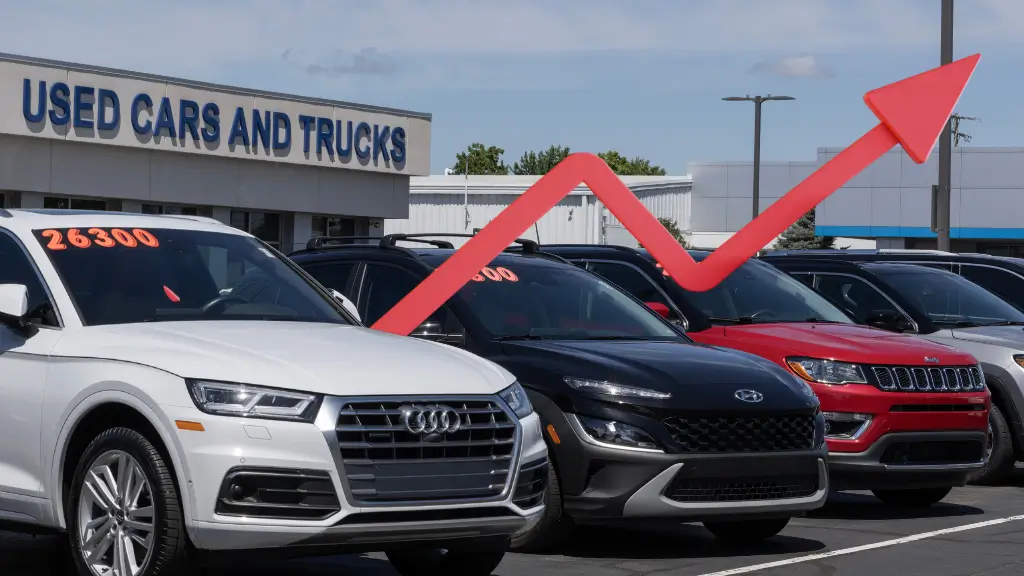
Retail consumers are projected to spend $48.7 billion on new vehicles in September, a 6.6% YoY increase and a $3.0 billion gain. The increase reflects higher retail volume and transaction prices, with the average transaction price (ATP) projected at $45,915, up 0.7%. Simultaneously, the average monthly payment is projected to rise 3.2% to $821, the highest September level on record.
The average new-vehicle loan rate is projected at 6.66%, down 4 basis points and the lowest September level since 2022. However, buyers continue to use longer loan terms to manage monthly payments, with 13.9% of loans carrying terms of 84 months or longer, up 2 percentage points year over year.
Negative equity is also present on 29.4% of trade-ins, up 0.3 percentage points from a year ago, while subprime financing is projected to account for 11.2% of sales, up 2.2 percentage points.
Hybrid demand grows
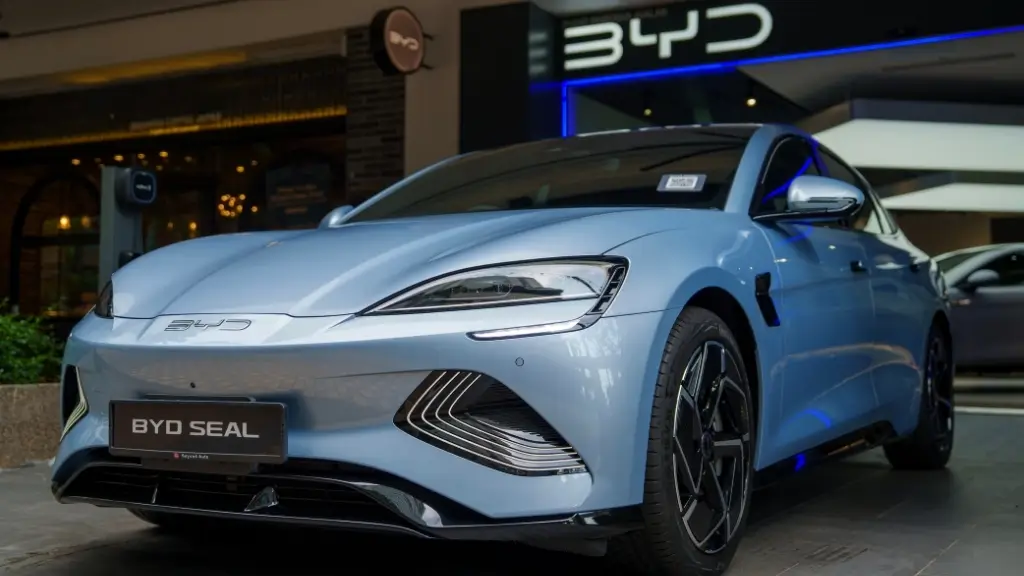
Meanwhile, hybrids are projected to account for 17% of retail sales, up 3.5 percentage points from September 2025. Yet, EV share is expected to fall 6.5 percentage points to 7.9% following the expiration of federal EV credits.
ICE vehicles are projected to account for 73.6% of retail sales, up 3.7 percentage points. JD Power attributed the shift toward hybrids partly to elevated fuel prices and increased vehicle availability, although inventory remains tight for some of the best-selling hybrid models.
According to the joint forecast, the average incentive spending is projected at $3,574 per vehicle, up 7.3% year over year and equal to 6.9% of MSRP. The increase is concentrated among ICE and hybrid vehicles, where incentives are projected to rise 31.6% to $3,319 per vehicle. EV incentives are projected to fall 21.7% to $8,829 after federal credits expire.
Conversely, average days to sale are projected at 50 days, down one day from September 2025. While vehicles sold within 10 days are expected to account for 32.3% of retail sales, up 1.8 percentage points, leasing is projected to account for 22.1% of retail sales, down 3.3 percentage points year over year.