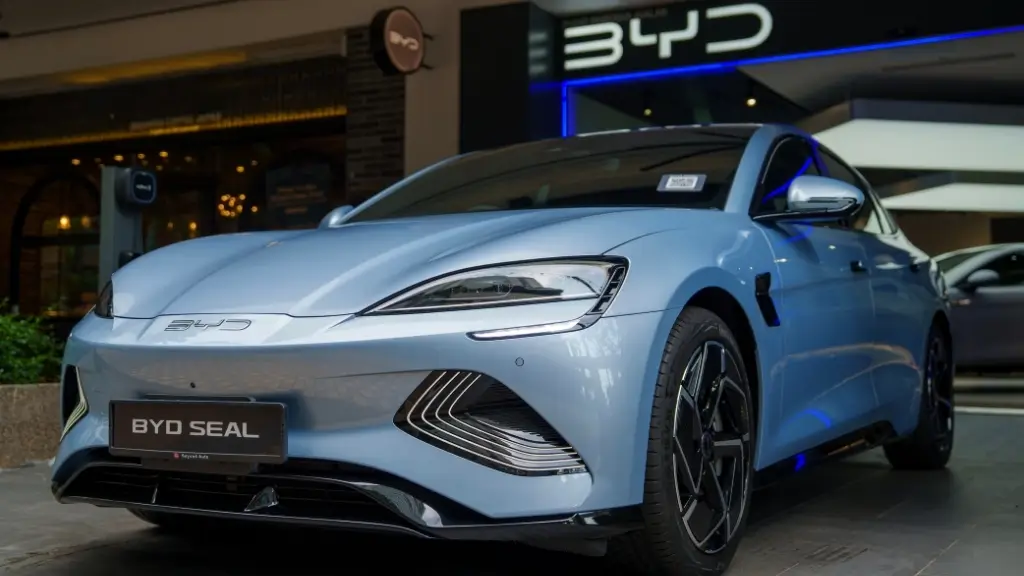
On the Dash:
- Chinese automakers face significant barriers to U.S. market entry, including tariffs and restrictions on connected-vehicle technology.
- Hybrids could reach 34% of the U.S. market by 2030, giving dealers a growing alternative to both gas-powered and fully electric vehicles.
- Murphy expects five to 10 of today’s 38 U.S. brands could disappear over the next decade, increasing the importance of product strength and market positioning.
Automotive analyst John Murphy doesn’t expect Chinese automakers to gain meaningful access to the U.S. market anytime soon, according to his latest outlook released Tuesday, though he warns that removing existing barriers could severely disrupt American automakers and domestic production.
Despite growing speculation that Chinese-made vehicles will soon reach U.S. showrooms, Murphy told CNBC he sees little appetite among U.S. lawmakers to allow that, largely because of the effect it could have on American automakers and domestic production.
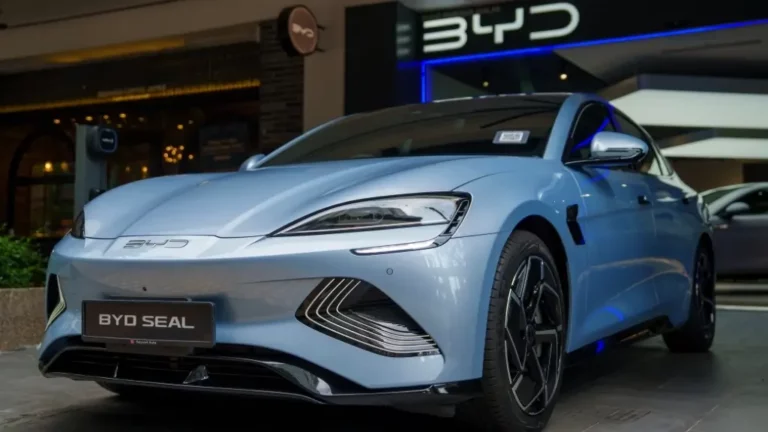
Vehicles built in China and imported into the U.S. currently face a 100% tariff under the Trump administration’s trade policy, which has effectively kept nearly all Chinese brands out of the country. Starting next year, the Commerce Department will bar automakers from importing and selling U.S. vehicles that contain technology developed or manufactured by Chinese companies. As a side note, beginning this fall, a small number of Chinese automakers, including BYD and Geely, are expected to begin selling vehicles in Canada.
Five brands face the greatest risk
As competition from Chinese automakers grows worldwide, Murphy predicts that five to 10 of the 38 auto brands currently sold in the U.S. could disappear over the next decade. He said the industry’s shifting landscape means no brand is completely safe, though some face a greater risk than others.
The latest Murphy Automotive Product Pipeline lists the following as brands most at risk of being eliminated from the U.S. market:
- Polestar
- Maserati
- Alfa Romeo
- Jaguar
- Fiat
Notably, Polestar, which Geely owns, will no longer be able to sell new vehicles in the U.S. starting in 2027 because of the Commerce Department’s connected-vehicle rules. The other four brands haven’t indicated they’re considering leaving the market.
Hybrid demand set to surge
Additionally, Murphy expects demand for gas-electric hybrids to surge over the next four years, eventually accounting for 34% of the market by 2030. He said a regular hybrid doesn’t need to be plugged in and gives most mainstream consumers great fuel economy.
According to a recent JD Power report, more than 18% of vehicles sold in the U.S. through July this year were hybrids. Murphy expects pure EV sales to grow only slightly in the U.S. through 2030, as the industry continues adjusting to the billions in capital it committed to new EV models that have since been scrapped after the Trump administration ended federal EV tax breaks. He said that quick course correction explains the decline in vehicle rollouts between 2026 and 2028, which he called “the worst three years on record” and a “product desert,” in a statement.