On the Dash:
- Honda is reportedly considering investing up to $2.5 billion in a new hybrid assembly plant in Ohio.
- The facility could build large flagship crossovers for Honda and Acura, adding capacity as the automaker’s North American plants operate near full production.
- The automaker is targeting 15 next-generation hybrid models globally by March 2030, with most intended for North America.
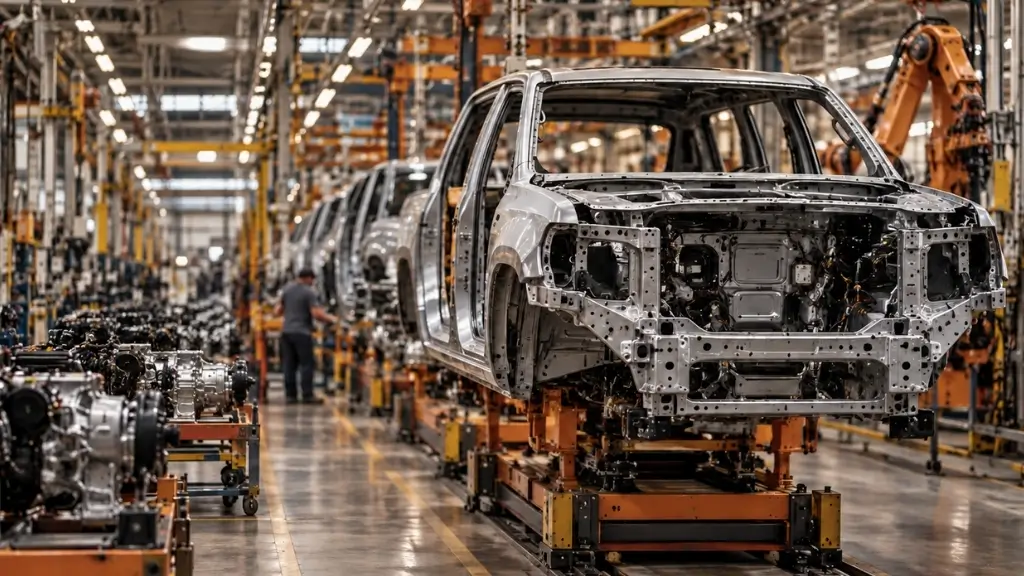
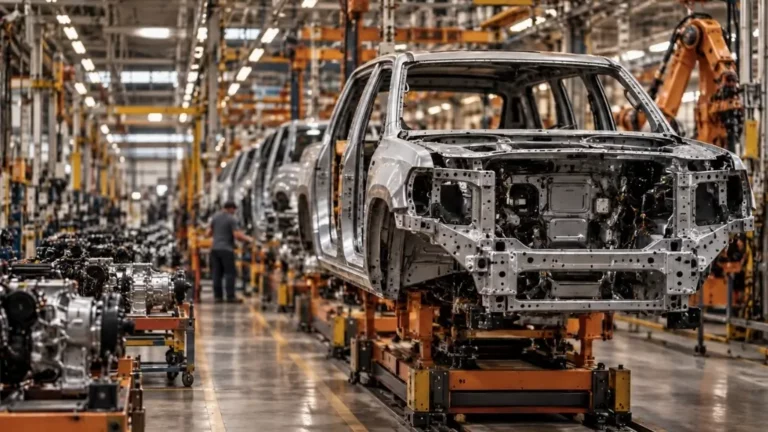
According to a Nikkei Asia report, Honda is in the final stages of preparing a new hybrid assembly plant in Ohio, where production would begin in 2030 if negotiations with state authorities conclude. The investment could reach 300 billion to 400 billion yen (roughly $1.9 billion to $2.5 billion). However, the automaker has not confirmed the project and says it has made no final decision.
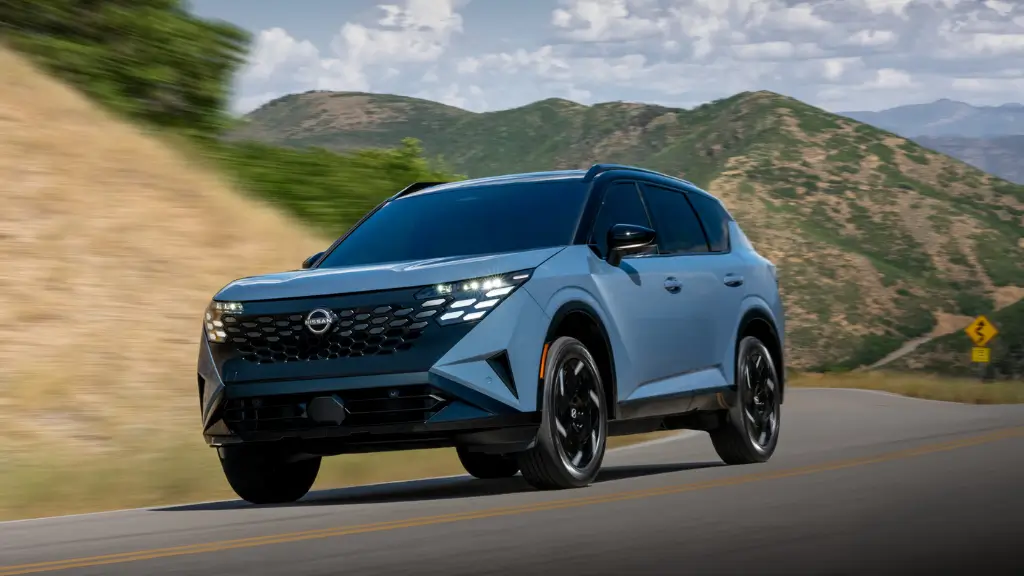
Nikkei also reports that the plant would build two large crossovers for the Honda and Acura brands. That added capacity could give dealers greater inventory flexibility in the large-crossover segment.
Capacity at Honda’s existing facilities
Speaking to Yomiuri Shimbun in July, CEO Toshihiro Mibe said Honda’s seven North American plants are nearing their combined annual capacity of 1.67 million vehicles, and he said a new plant would give the company a buffer to raise output when needed. Meanwhile, North America accounts for more than 40% of Honda’s global sales, and Mibe notes that the automaker wants to build up sales in the region to produce vehicles closer to where customers buy them.
Notably, the automaker said in May that it plans to launch up to 15 next-generation hybrid models globally by the end of March 2030, with most aimed at North America. Therefore, a new Ohio plant would expand U.S. capacity in step with that hybrid push and would give the automaker a cushion against supply chain disruptions.
Nonetheless, tariffs are also pushing automakers to build more vehicles in the U.S. Toyota, for example, announced in July that it will invest $3.6 billion to add a second assembly line in San Antonio, Texas, which will open in 2030 and take over Tacoma production from its Baja California plant in Mexico over roughly four years.