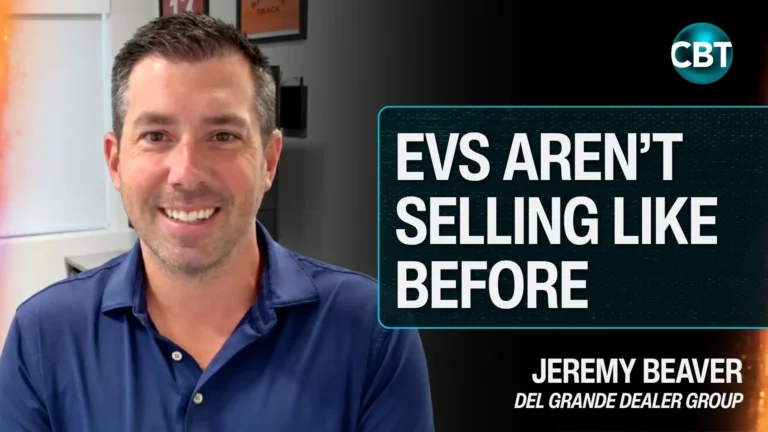
For Del Grande Dealer Group (DGDG), navigating an uneven market starts with the parts of the business it can control. CEO Jeremy Beaver joins us on today’s CBT Live segment to discuss how the group is strengthening used vehicle acquisition, empowering employees to resolve customer concerns and pursuing dealerships that fit its culture as affordability pressures continue to shape demand.
According to Beaver, the shift in DGDG’s sales mix illustrates why operational flexibility matters. He said alternative powertrains accounted for roughly 40% of the group’s sales last year, compared with 20% this year, and many of those customers have yet to return to the market. To help offset the new vehicle decline, the group has expanded used vehicle acquisition through trade-ins, its service drive and direct purchases from the public, while fixed operations remains strong. Notably, Beaver pointed to demand for off-lease EVs priced between $20,000 and $25,000, although volatile values require careful appraisals and quick inventory turnover.
Additionally, Beaver said DGDG’s Project 100 approach empowers team members to address customer concerns directly, including covering an oil change when a visit takes too long. That emphasis on trust extends to employee development through clear career paths, training and internal advancement. Beaver said the group’s attrition runs at roughly one-third of the industry rate and that it expects more than 100 internal promotions this year. Alongside investments in technology and artificial intelligence to improve productivity, those efforts reflect an operating approach that gives employees both the tools to do their jobs and reasons to stay.
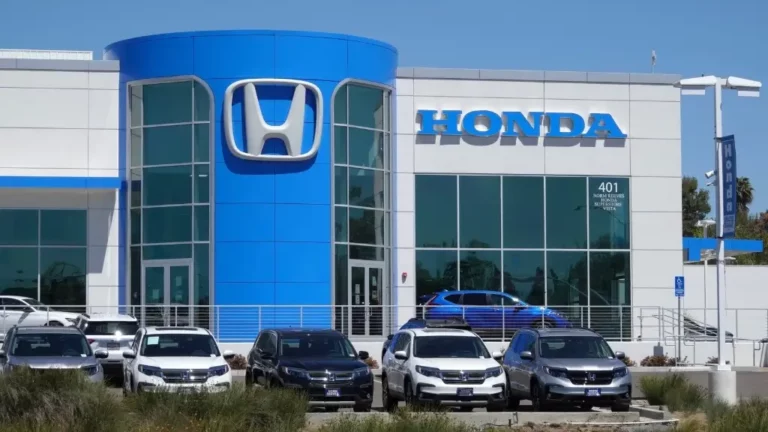
Nevertheless, that operating foundation is also shaping how DGDG approaches expansion. Beaver said the group acquired its second Honda dealership roughly 90 days before the interview and continues to seek stores where its culture and technology can support growth, with a preference for California and Northern California in particular. When asked about Audi’s performance, he remained optimistic about the brand’s potential recovery but emphasized that manufacturers must deliver suitable products, pricing and incentives, supported by dealer feedback. His perspective links dealership growth to the core discipline of aligning investments with customer demand and ensuring execution. “We’re playing offense and we are built to win,” Beaver stated.