On the Dash:
- Nvidia-based Level 2+ systems arrive in early 2028, with Hyundai’s own Atria AI in 2029.
- Level 2+ and Level 2++ stay supervised, so drivers remain responsible for monitoring the vehicle.
- Hyundai is raising North American local parts sourcing to 80% by 2030 from 60%.
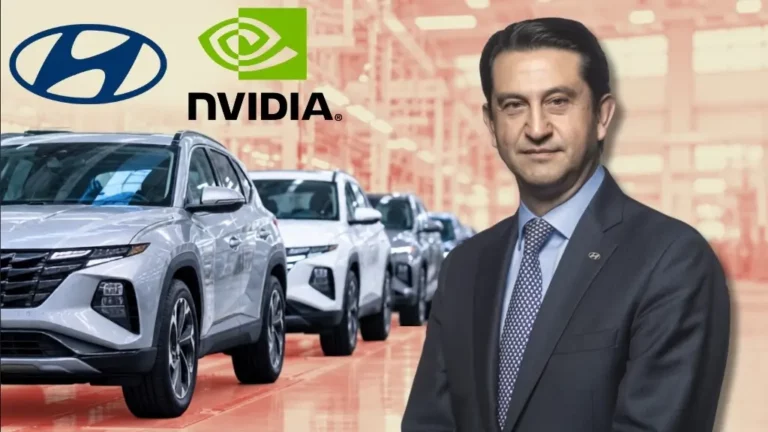
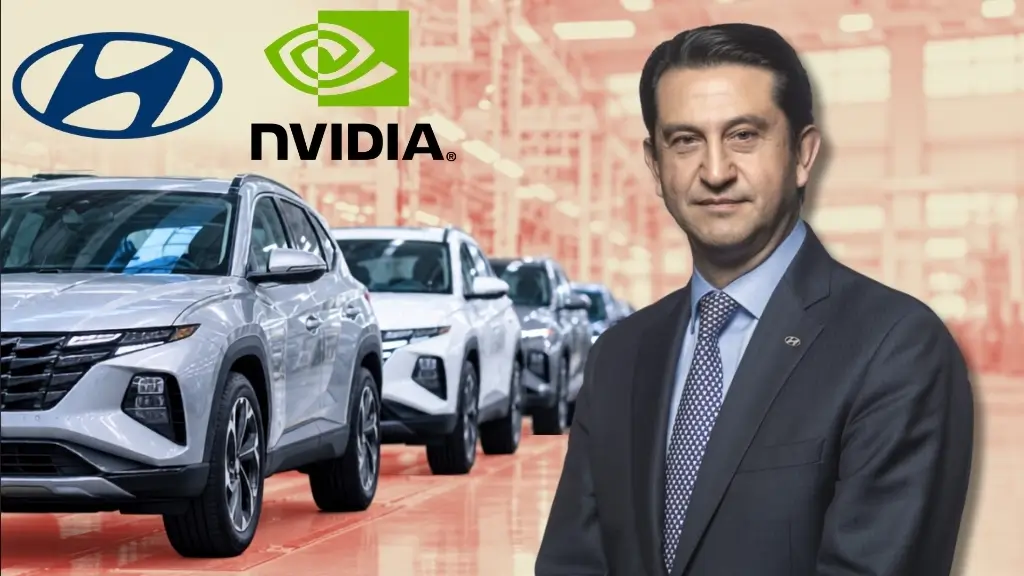
Hyundai Motor Group will put vehicles powered by its proprietary autonomous driving software into production in the second half of 2029, with Nvidia-based driver-assistance systems reaching buyers roughly a year and a half earlier. The automaker laid out the roadmap Sept. 13 at its HMG Autonomous Driving Media Day, held at the headquarters of software affiliate 42dot in Gyeonggi Province, South Korea.
Production vehicles with Nvidia-based Level 2+ capability are targeted for the first half of 2028, followed by Level 2++ models in the second half of that year. Vehicles running Atria AI, the end-to-end system Hyundai is building with 42dot, are targeted for the second half of 2029.
Both Level 2+ and Level 2++ remain supervised systems. Drivers stay responsible for monitoring the vehicle, which matters for how sales and service staff describe the technology on the lot. Regulators have taken notice, with NHTSA adding ADAS performance tests to its New Car Assessment Program this year. Mercedes-Benz is also putting a date on supervised urban driving, starting in Germany.
The data engine behind Atria AI
Feeding the system is what Hyundai calls its Data Flywheel, a loop of data collection, AI training, validation and redeployment that the company said is now in full operation. Hyundai and Kia sell more than 7 million vehicles a year across roughly 190 countries and regions, and the group runs about 40 dedicated data collection vehicles around the clock, according to the announcement. Sensor architecture is being standardized across Hyundai, Kia, 42dot and Motional around Nvidia’s DRIVE Hyperion 10 platform.
“Autonomous driving competition is no longer about comparing specific features. Competitiveness is determined by how much data you secure, how quickly you learn and how effectively you can reflect those results in actual products and services,” said Minwoo Park, President and Head of the Advanced Vehicle Platform division at Hyundai Motor Group and CEO of 42dot, in a statement.
The group also plans to deploy an Atria AI-equipped SDV Pace Car for real-world Level 4 validation in Jeonnam-Gwangju Special Metropolitan City by year-end, in partnership with South Korea’s Ministry of Land, Infrastructure and Transport.
What it means for North American inventory
The software roadmap coincides with a supply chain shift that affects North American inventory more directly. At its 2026 CEO Investor Day on Aug. 26, Hyundai raised its 2030 local parts sourcing target for North America to 80% from 60%, and said it will add 1.27 million units of global manufacturing capacity by 2030, including 500,000 in North America.
“We’ll identify and expand local supplier networks, which will secure supply stability, reduce logistics costs and mitigate regulatory exposure,” said José Muñoz, president and CEO of Hyundai Motor Company, at the event.
The region is also set to get more than 10 hybrid models by 2030, with hybrids reaching a 50% sales mix, built at Hyundai Motor Manufacturing Alabama and Hyundai Motor Group Metaplant America. The automaker is separately weighing an expansion of the Georgia plant toward 800,000 units by 2028. Hyundai sold 595,457 units in North America in the first half of 2026, its best first half in the region, with 489,656 in the U.S., up 3%.
For dealers, the near-term takeaway is product mix. Hybrids and localized production arrive well before the autonomy story does, and the first Nvidia-based systems will not reach showrooms until 2028.