On the Dash:
- GM expects commercial production of sodium-ion battery cells with Peak Energy around 2029, initially targeting energy storage systems.
- The automaker is investing $900 million in new battery lab facilities to accelerate domestic cell development and production.
- GM plans to prioritize domestic battery production for future EVs, potentially giving dealers more U.S.-sourced electrified products.
General Motors (GM) is developing next-generation battery cells to reduce its reliance on Chinese supply chains and increase its use of U.S. materials. Kurt Kelty, GM’s Vice President of battery and sustainability, told CNBC that the automaker aims to establish a domestic supply chain within two to three years, primarily for stationary energy storage batteries. The automaker also plans to prioritize domestic battery cell production for future EVs.
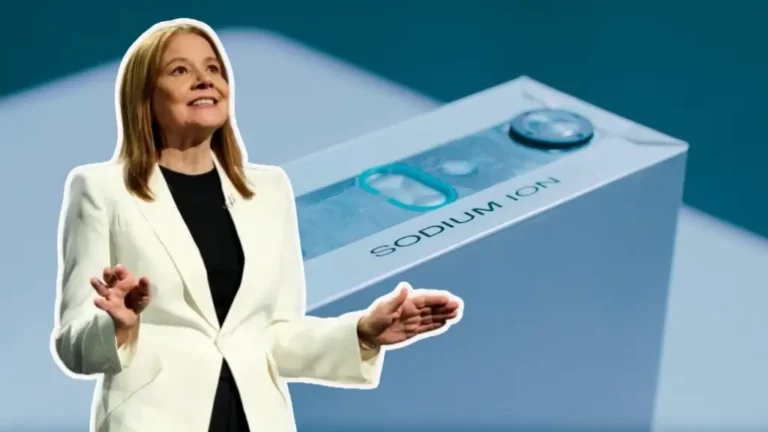
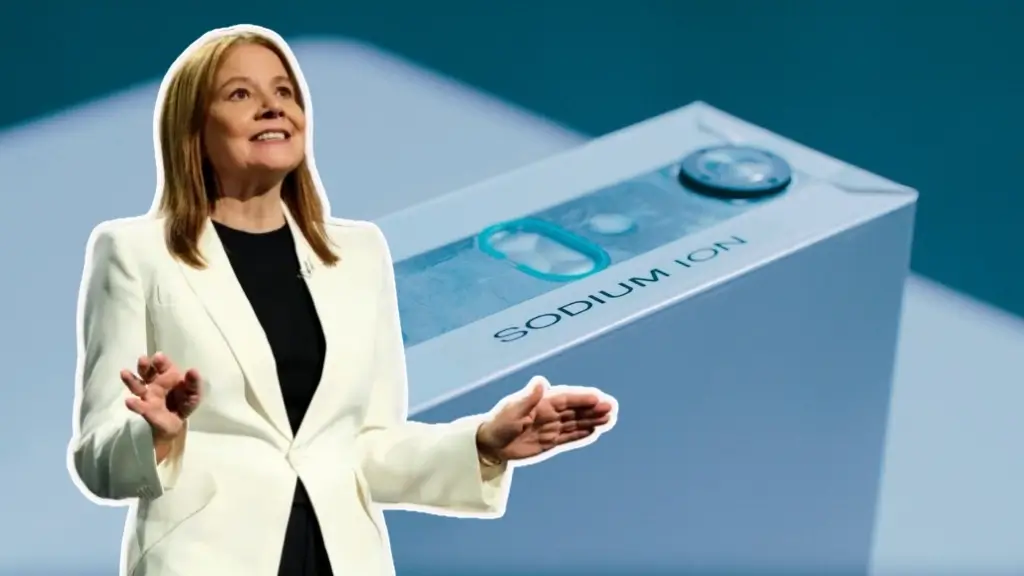
To advance its energy storage strategy, GM has partnered with Peak Energy to develop sodium-ion cells for grid-scale applications, which it will produce at its Michigan battery labs and retain exclusive manufacturing rights to. Simultaneously, Peak will integrate them into its energy storage systems, and the partnership will also include an investment from GM Ventures.
Existing battery technology
While the automaker expects commercial production of the sodium-ion cells to begin around 2029, the chemistry offers a path toward greater domestic sourcing through materials such as sodium from soda ash. Kelty said GM wants to develop better technology that can draw on U.S. resources rather than replicate China’s established battery supply chains.
Beyond sourcing, GM sees potential advantages in operating costs and durability, noting that sodium-ion batteries can tolerate a wider range of temperatures and more charge-discharge cycles than incumbent chemistries. Those characteristics could allow stationary storage systems to operate without active cooling, reducing hardware, maintenance and energy consumption. GM is developing these cells specifically for stationary storage, where longevity and cost carry more weight than the size and weight constraints that shape EV batteries.
Since the automaker develops sodium-ion technology, it will continue to supply other battery chemistries. CNBC reported that GM and LG Energy Solution already manufacture lithium iron phosphate cells in the U.S. for energy storage, although some current battery production still uses materials from China.
GM’s investment
In particular, the automaker has committed $900 million to the Ancker-Johnson Battery Cell Development Center and the neighboring Wallace Battery Cell Innovation Center at its Global Technical Center in Warren, Michigan. GM describes the Ancker-Johnson complex as approximately 500,000 square feet and says its teams will validate cell designs and accelerate the move from development to large-scale production.
The sodium-ion partnership, however, targets grid storage, so its progress alone doesn’t guarantee lower vehicle prices or wider availability. Its commercial success will depend on whether the automaker and Peak can scale production and deliver competitive costs and performance.