On the Dash:
- Amazon is evaluating a European expansion of Amazon Autos following its U.S. launch with Hyundai and other brands.
- Europe’s stricter data regulations and agency-sales models could require Amazon to adapt its dealership-focused approach.
- The U.S. model remains largely unproven at scale, with some dealers reporting limited sales and traffic results.
Amazon is evaluating a European expansion of its Amazon Autos platform, but stricter regulations and different vehicle retail models could complicate its overseas growth plans.
Amazon Autos Director Matt Nuffort said the company is actively exploring international markets for its vehicle-selling platform but stopped short of providing a timeline or naming specific countries under consideration. “I can’t talk about specifics of when or where, but it’s something our people are working on,” Nuffort said during the AutosBuzz 2026 conference.
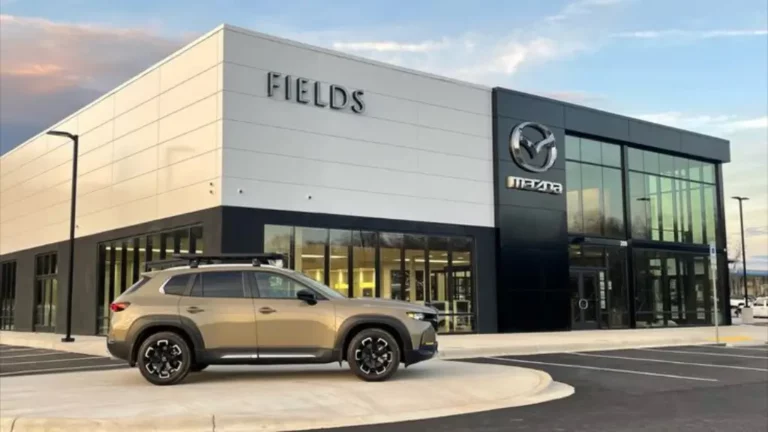
The potential expansion follows Amazon Auto’s U.S. launch with Hyundai in December 2024. The platform has since expanded to more than 130 markets and added brands including Chevrolet, Jeep, Kia, Mazda and Subaru.
Europe represents a major opportunity, with consumers registering nearly 13.3 million vehicles across Europe in 2025, compared with 16.3 million light-vehicle sales in the United States, according to industry data.
Regulation and retail structure
Amazon faces several obstacles before entering the market, however. Nuffort acknowledged that Europe’s regulatory environment differs substantially from that of the U.S., particularly regarding data privacy and digital platform oversight.
Those challenges grew after a European Union court ruled that Amazon qualifies as a “very large online platform” under the Digital Services Act. The designation subjects the company to stricter requirements, including annual risk assessments, independent audits, advertising transparency measures and expanded data-sharing obligations.
Amazon must also adapt to Europe’s distinct vehicle retail landscape. Unlike U.S. dealerships, which often stock hundreds of vehicles, European dealers typically maintain smaller inventories and rely more heavily on factory orders. Manufacturers also use agency and direct-sales models more frequently throughout the region.
U.S. performance raises questions
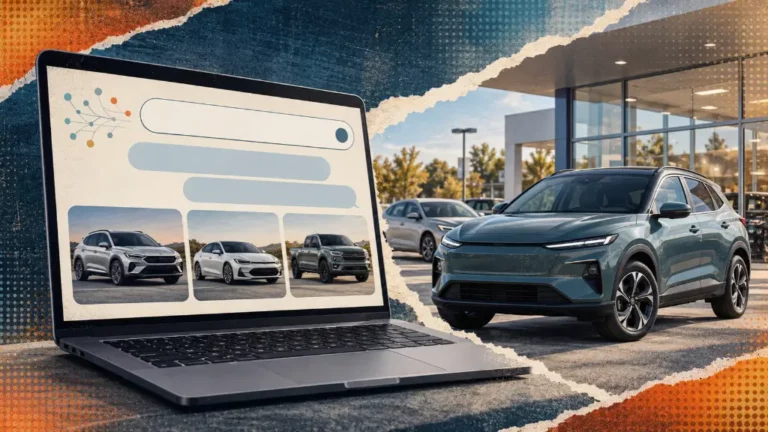
Despite potential modifications, Amazon plans to keep its digital-first shopping experience central to any international rollout. In the United States, customers can complete most of the purchase process online before finalizing paperwork and taking delivery at a dealership.
Industry observers say questions remain about the effectiveness of the current model. While Amazon reports strong customer and dealer interest, some participating dealerships have reported limited gains in sales and traffic since launch. That mixed performance could influence the pace of Amazon’s international ambitions as the company weighs whether to move its automotive retail strategy beyond North America.