Welcome to a special edition of Inside Automotive. On today’s episode, we’re bringing you on location in St. Louis, where CBT News Co-Founder Jim Fitzpatrick is joined by Ohio Senator Bernie Moreno, who says the momentum is behind building the Connected Vehicle Security Act, legislation aimed at preventing vehicles with ties to foreign adversaries from entering the U.S. market.
During today’s interview, Moreno says the bipartisan bill cleared the Senate Commerce, Science and Transportation Committee unanimously and the full Senate will consider it next.
Moreno, who introduced the legislation alongside Sen. Elissa Slotkin (D-Mich.), said the bill is intended to prevent future national security threats before they emerge. He repeatedly described Chinese-connected vehicle technology as “automotive fentanyl,” arguing the U.S. cannot afford to depend on systems that adversaries could exploit remotely.
"If we open a door to this automotive fentanyl, we're going to be in deep, deep trouble. I compare it to committing industrial suicide, and that's exactly what this bill is preventing."
Addressing compliance concerns
Notably, the senator rejected reports suggesting the legislation would effectively ban Mercedes-Benz vehicles from the U.S. market. Moreno emphasized the automaker has invested heavily in U.S. manufacturing and employment and said lawmakers are committed to finding a compliance path.
“There is no scenario on earth that we will ban Mercedes-Benz vehicles from the United States,” he said. Adding that, “Mercedes-Benz has been a great corporate citizen.”
Under the bill, automakers with more than 15% ownership by entities the U.S designates as foreign entities of concern would need to restructure to comply. Moreno said Mercedes-Benz can resolve its ownership situation and stressed the legislation provides manufacturers time to make necessary changes.
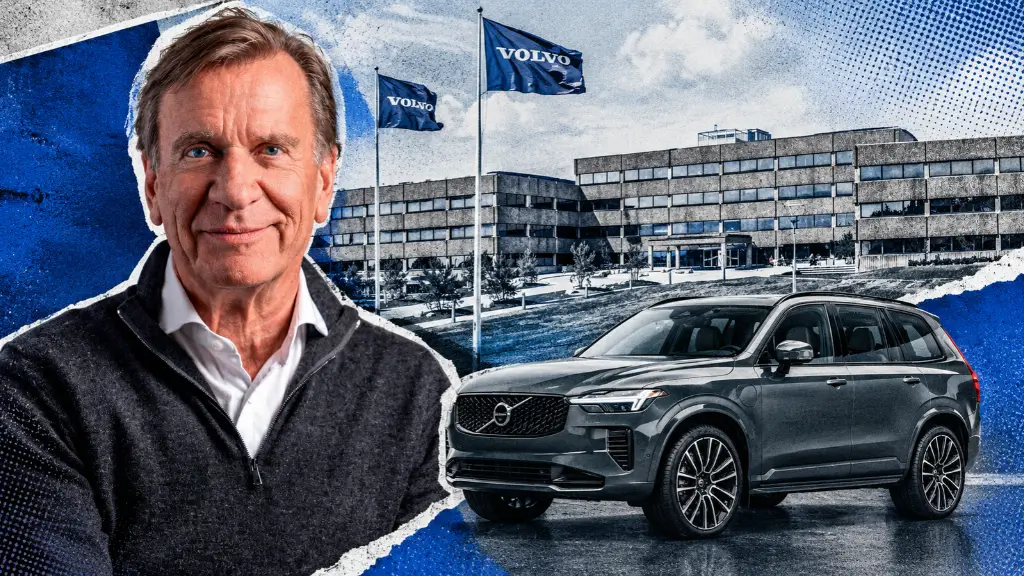
Additionally, Moreno addressed concerns from Volvo and Polestar dealers, arguing that Polestar’s exit from the U.S. market was driven by the company’s financial challenges rather than government action. He also said that Volvo has already demonstrated a willingness to comply with federal connected vehicle security requirements.
For dealers worried about franchise stability, Moreno offered reassurance, stating, “Your franchise is not going to go away,” he said. “Volvo will figure it out. Mercedes will figure it out.”
China’s national security risk
Throughout the interview, Moreno argued that China’s automotive ambitions represent both an economic and national security challenge. He contended that allowing Chinese-connected vehicles into the U.S. market could undermine domestic manufacturers while introducing cybersecurity risks through increasingly software-defined vehicles.
He also criticized previous federal EV policies, arguing they diverted hundreds of billions of dollars toward mandates and subsidies instead of technologies that could improve affordability and strengthen American automakers’ competitiveness.
When asked whether Chinese automakers could eventually enter the U.S. market, Moreno said the possibility exists only if China fundamentally changes its relationship with the United States and is no longer classified as a foreign entity of concern.
What’s next for the legislation
Looking ahead, Moreno said the legislation’s next step is a vote before the full Senate, where he believes it has enough bipartisan support to advance. The House is considering companion legislation, and if both chambers approve the measure, it would head to President Donald Trump’s desk for signature.
Moreno encouraged dealers to continue supporting the legislation, arguing it protects not only manufacturers but also dealership profitability and franchise values.
“It's pretty straightforward that today, if Chinese cars came into this market, you'd see a total wipeout of the Western auto industry.”