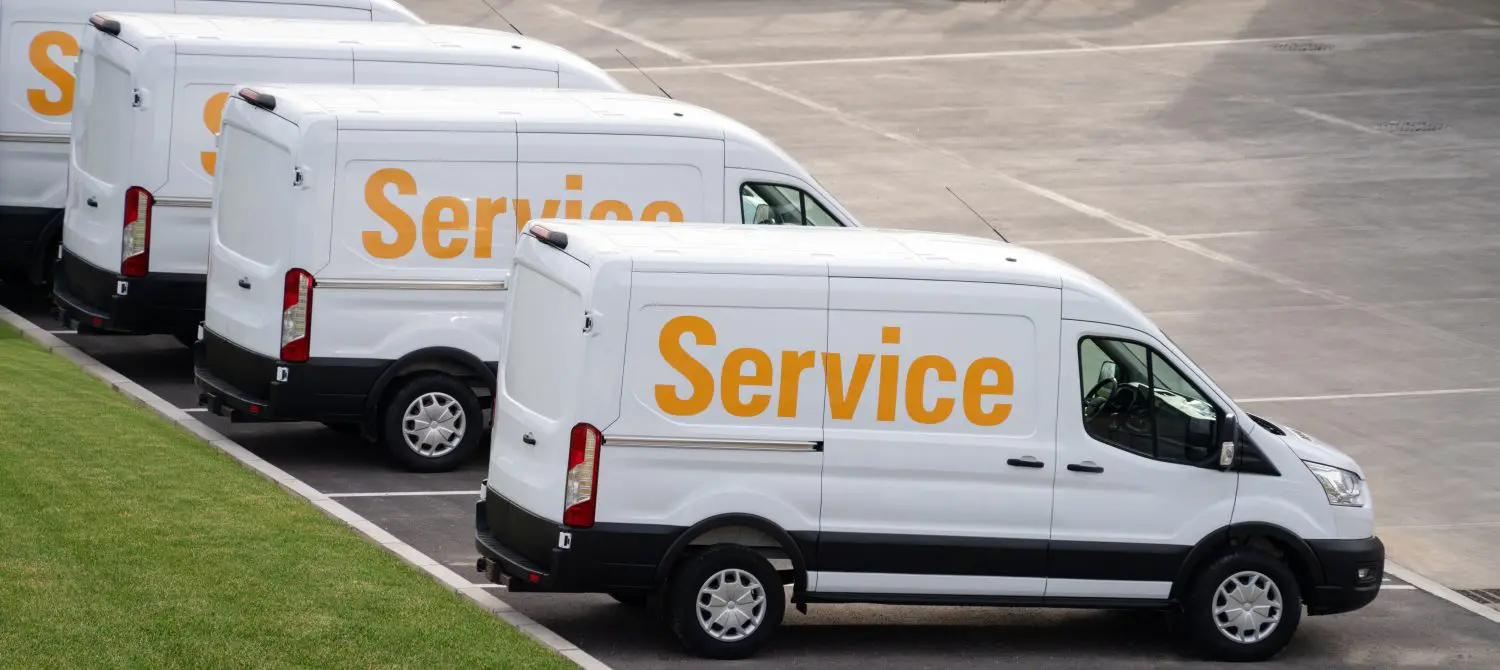
COVID-19 marked a global turning point in the history of business. Lockdowns devastated manufacturing and the global supply chain and, ironically, catapulted last-mile and home delivery needs, along with the home service industry, into unprecedented status. Although the severity of the multi-year catastrophe has passed, it has left a lasting impression on the demand for vehicles associated with last-mile delivery and various trades, leading to a significant business opportunity for the commercial vehicle industry.

At the vehicle dealership level, the pandemic was more than just a blip in an already challenging business. However, the entire disaster did have a relevant takeaway for dealerships – commercial customers represent a much more stable and profitable side of the business compared to retail.
The Value of Commercial Vehicle Customers
Even though vehicle inventory levels are more in line with pre-pandemic levels, times are still challenging for dealers for a number of reasons. Factors such as interest rates and the unknown ramifications of the upcoming presidential election mean that retail customers may be even more reluctant to purchase.
Retail auto buyers are frequently shopping based on a ‘want’ rather than a ‘need’ which means delaying a purchase doesn’t have the same ramifications as it does for commercial customers. Business owners simply can’t delay purchasing work trucks and vans for very long. Their livelihoods depend on having vehicles on the road.

Selling to businesses unlocks a powerful growth engine for dealerships – a “one-to-many” dynamic. Commercial customers, who when they are shopping are definitely in-market, often buy more than one vehicle for their business based on their needs. Plus, these same commercial vehicle shoppers also have friends, family and employees who are vehicle buyers, resulting in one customer and many vehicle sales. With retail buyers, the opposite is true; it’s a “many-to-one” scenario, with up to ten prospects resulting in only one vehicle sale. As you can see, the math is much more favorable for a dealership on the commercial side of the business.
Commercial Sales Lead to Dealer Growth
Not only is the profitability of selling commercial vehicles significant, the dealership impact extends beyond the initial sale as well. Business customers are more loyal, and the high cost of downtime for commercial vehicles— ranging from $2,500 to $5,000 or more per day—drives them to take a more proactive approach to maintenance. This translates into increased service revenue, with some dealerships reporting repair order values from commercial customers that are 2.5 times higher than retail customers.
Following the Lead of OEMs
Established OEMs have recognized the tremendous potential in commercial business, and they are stepping up to support the surging demand in the SMB business sector by offering a suite of programs designed to empower dealerships. These include expanded commercial vehicle inventory, streamlined financing options, and innovative solutions like mobile service, telematics, and fleet management tools that enhance vehicle uptime.
This comprehensive support enables dealerships to cultivate more robust, valuable relationships with local businesses, opening doors to new revenue streams and seamlessly integrating commercial operations into their existing business models.
Resources to Help You on Your Path
The emergence of dedicated commercial divisions like Ram Professional, Ford Pro, and GM Envolve underscore the significant shift in this industry’s focus. OEMs’ recognition of the untapped revenue streams and long-term customer relationships that the commercial vehicle business offers, shifted their strategies to cater to the unique needs of business buyers.
The automotive sector is a dynamic industry, and being ready to adapt to change is essential. Work Truck Solutions has spent more than a dozen years building solutions that cater to the commercial vehicle ecosystem, with an eye toward always helping dealerships serve this market and build revenue streams that aren’t beholden to economic conditions, yet are flexible enough to capitalize on trends and evolving needs.
[See the resource links at the end of this article for help navigating your path in the commercial vehicle ecosystem.]
Conclusion
Ultimately, the commercial vehicle market represents a path to profitability and growth for dealerships who are ready to embrace its unique potential. By recognizing the enduring value of commercial customers, leveraging OEM support, and adopting innovative strategies, dealerships can not only navigate current challenges, but also position themselves for continued success in this dynamic automotive industry.
Resources:
- Dealership Operations and The Commercial Opportunity – details about the positive financial impact.
- Commercial Playbook Series – a practical roadmap with actionable insights and data-driven strategies.
Merchandising Solutions – tools and solutions to reach B2B buyers.