On the Dash:
- Political and trade disputes are increasingly influencing EV incentive programs, creating uncertainty for manufacturers and consumers.
- Incentive eligibility remains a key factor in EV affordability and can quickly affect demand at the provincial level.
- A court ruling in Tesla’s favor could reshape how Canadian provinces administer brand-specific EV incentive programs.
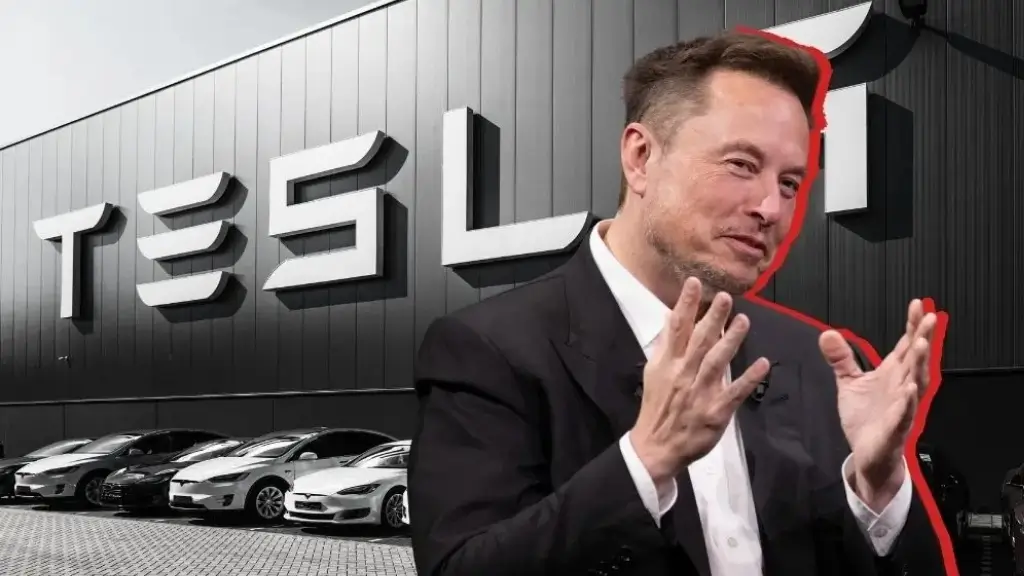
Tesla is challenging Canadian province Manitoba‘s decision to remove its vehicles from the EV rebate program. The company claims that this exclusion has already cost customers at least C$560,000 (~$400,000 USD) in lost rebates. In response, Manitoba has asked the Court of King’s Bench to dismiss the EV maker’s lawsuit.
The province linked its decision directly to current U.S. trade tensions. For instance, in its March 2025 budget, Manitoba removed Tesla and Chinese-built EVs from the rebate program. Provincial leaders stated that this move served as a reaction to U.S. tariffs and broader trade issues.
Before the ban, however, the EV maker accounted for 337 rebates worth roughly C$1.3 million (~$928,500 USD), representing more than 20% of all EV rebates issued through the program.
Additionally, Tesla argues that the province acted unfairly, as officials never formally notified the automaker or gave a clear explanation for its exclusion. The automaker contends that Manitoba treated it differently from other manufacturers with U.S. parent companies. Therefore, the EV maker seeks reinstatement in the rebate program and demands retroactive rebates for affected buyers.
This case could influence similar decisions across Canada as Tesla references a 2018 Ontario court ruling that found a comparable exclusion from an EV incentive program unlawful. A favorable ruling in Manitoba could strengthen legal challenges against similar exclusions of Tesla in British Columbia, Nova Scotia, and Prince Edward Island. This dispute arises while Tesla continues to face pressure in Canada following its removal from the federal EV rebate program.