On the Dash:
- Volkswagen continues restructuring European operations as weak demand and overcapacity pressure profitability.
- Localized production strategies are becoming more important as tariffs and global competition reshape manufacturing.
- Ongoing cost-cutting and factory uncertainty could influence future product allocation and supply strategies.
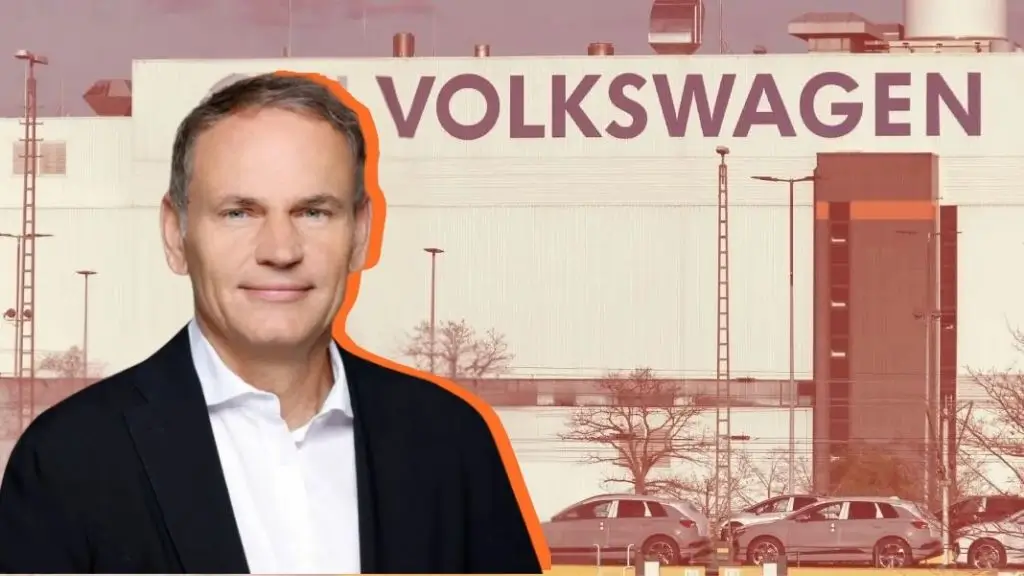
Volkswagen said it is not currently discussing plant-sharing deals with Chinese automakers, even as the company acknowledges excess production capacity across Europe and faces mounting pressure from weak demand, rising competition, and shifting global trade dynamics.
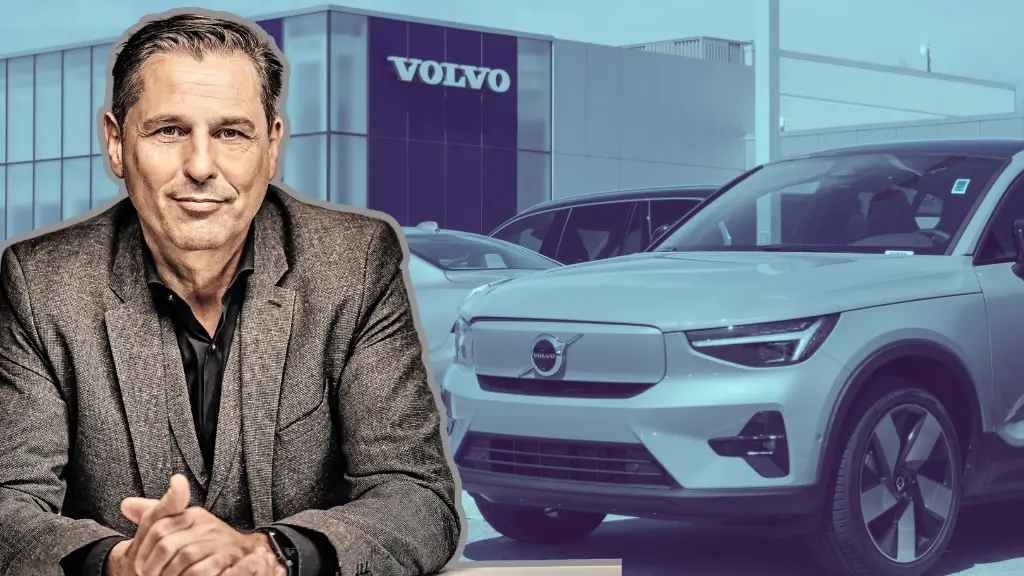
Speaking at a worker assembly in Wolfsburg, Blume acknowledged that the automaker still has excess production capacity in Europe and Germany that it must resolve to remain competitive. He added that there are currently no plans or discussions with Chinese manufacturers.
Over the past three years, Volkswagen has cut roughly 50,000 jobs in Germany, including reductions at Audi and Porsche, as part of a broader cost-cutting effort the company says has helped position it for an uncertain market. Factories in Wolfsburg, Emden and Zwickau reduced costs by more than 20% on average last year.
Blume warned that European vehicle sales are unlikely to return to pre-pandemic levels. He also said the company is shifting away from its longstanding strategy of exporting vehicles from Germany, moving instead toward more localized production in key markets such as China, where Volkswagen operates through joint ventures.
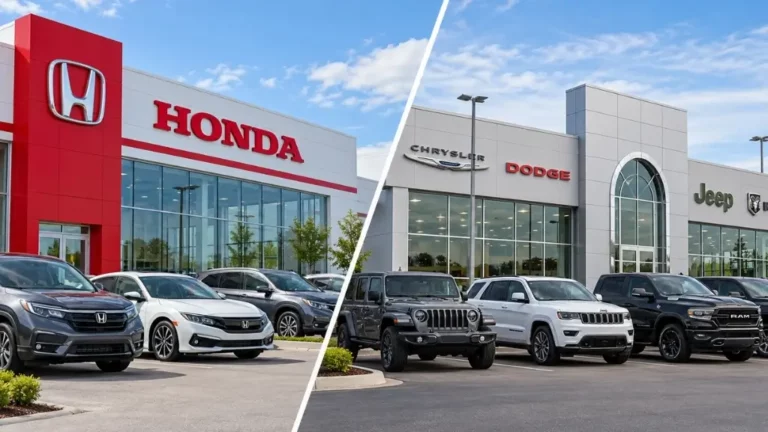
Volkswagen has pledged not to close any factories under agreements with German unions and its works council. Blume has suggested partnerships with defense companies or alternative plant-sharing arrangements could help address underutilized facilities, fueling speculation about collaborations similar to recent Stellantis partnerships with Chinese automakers. The company is also advancing talks to sell its Osnabrück plant to a defense-related partner.
While government officials have expressed openness to Chinese partnerships to support local industry and improve factory utilization, critics warn that partnering with automakers such as BYD and Chery could strengthen future competitors in the European market.