On the Dash:
- Dealers should expect continued uncertainty around EV sourcing, tariffs, and future U.S.-China trade policy.
- National security concerns surrounding connected vehicles could reshape future technology standards and inventory availability.
- Domestic manufacturing incentives may create new partnerships and production opportunities across the U.S. auto sector.
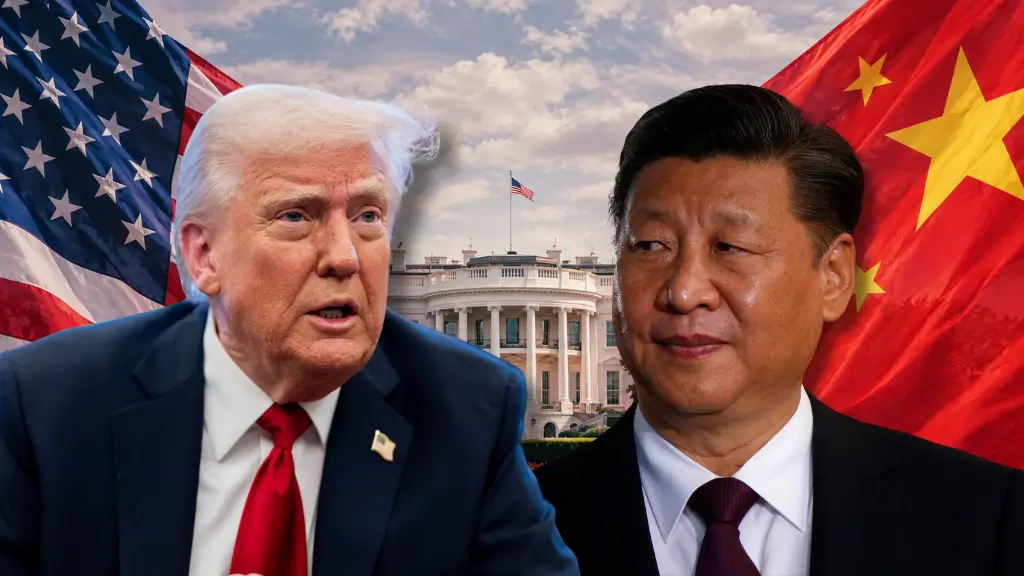
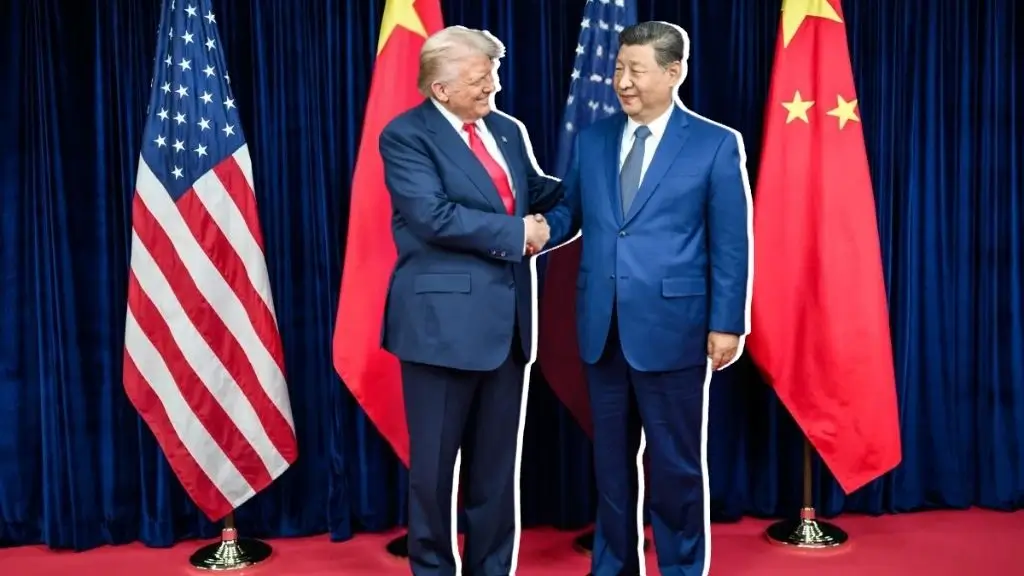
President Trump’s state visit to China is drawing increased attention from the automotive industry as U.S. officials balance trade negotiations, national security concerns, and growing competition from Chinese electric vehicle manufacturers.
Trump arrived in Beijing for meetings centered on trade, artificial intelligence, and broader U.S.-China economic relations. He traveled alongside several prominent technology executives, including Nvidia CEO Jensen Huang, Tesla CEO Elon Musk, and Apple CEO Tim Cook.
Ahead of the visit, Trump suggested discussions with Chinese President Xi Jinping could lead to significant developments. The meetings are expected to focus heavily on AI competition and ongoing trade tensions between the two countries.
U.S. automakers are closely monitoring the trip amid concerns over the long-term impact of China’s expanding EV industry. The United States has imposed tariffs and national security restrictions to limit Chinese EV access to the domestic market, while Chinese manufacturers continue to gain global market share with lower-cost vehicles equipped with advanced technology.
Trump has previously signaled openness to allowing Chinese automakers to build manufacturing plants in the United States if they create American jobs. Ahead of the visit, lawmakers introduced legislation to ban Chinese-connected vehicles and related software from the U.S. market due to data security concerns.
The proposed restrictions target vehicles equipped with internet connectivity and advanced software systems capable of collecting consumer data. Lawmakers from both parties continue supporting efforts to protect domestic auto manufacturing from Chinese competition, though some also support allowing Chinese automakers to manufacture vehicles in the United States using American labor and facilities.
Chinese EVs accounted for roughly two-thirds of global EV sales in 2024, though none are currently sold in the United States, the world’s second-largest auto market.