TSLA392.500-8.12%
GM80.540-0.78%
F12.870-0.005%
RIVN16.920-0.31%
CYD44.1700.91%
HMC25.3600.36%
TM215.250-1.95%
CVNA401.89014.36%
PAG162.8201.5%
LAD288.7605.72%
AN209.5301.54%
GPI351.2101.27%
ABG212.7101.27%
SAH71.7801.08%
TSLA392.500-8.12%
GM80.540-0.78%
F12.870-0.005%
RIVN16.920-0.31%
CYD44.1700.91%
HMC25.3600.36%
TM215.250-1.95%
CVNA401.89014.36%
PAG162.8201.5%
LAD288.7605.72%
AN209.5301.54%
GPI351.2101.27%
ABG212.7101.27%
SAH71.7801.08%
TSLA392.500-8.12%
GM80.540-0.78%
F12.870-0.005%
RIVN16.920-0.31%
CYD44.1700.91%
HMC25.3600.36%
TM215.250-1.95%
CVNA401.89014.36%
PAG162.8201.5%
LAD288.7605.72%
AN209.5301.54%
GPI351.2101.27%
ABG212.7101.27%
SAH71.7801.08%

U.S. auto inventories stabilize entering 2026, Cox Automotive reports

Industrywide vehicle supply returns near traditional targets, with Toyota tight on inventory and Chrysler and Volkswagen still overstocked.

inventories, Cox Automotive, Inventory

On the Dash:

  • Industrywide vehicle supply has returned to near-normal levels after prolonged oversupply in 2025.
  • Toyota and Lexus remain tightly stocked, while Volkswagen and several Stellantis brands continue to carry excess inventory.
  • Inventory differences will shape pricing, incentives, and availability for car buyers in early 2026.

U.S. automakers entered 2026 with new-vehicle inventory levels close to historical norms, following widespread oversupply through much of 2025, according to Cox Automotive data.

Automakers typically monitor new-vehicle availability through the “days of inventory” metric, which indicates how long it would take to sell all current stock at the current sales rate if production halted. Traditionally, the industry aims for around 75 days, encompassing vehicles on dealer lots, in transit, or on order. This balance is designed to ensure ample selection while avoiding excessive carrying costs for dealers, such as floorplan financing.

Sign up for CBT News’ daily newsletter and get the latest industry stories delivered straight to your inbox

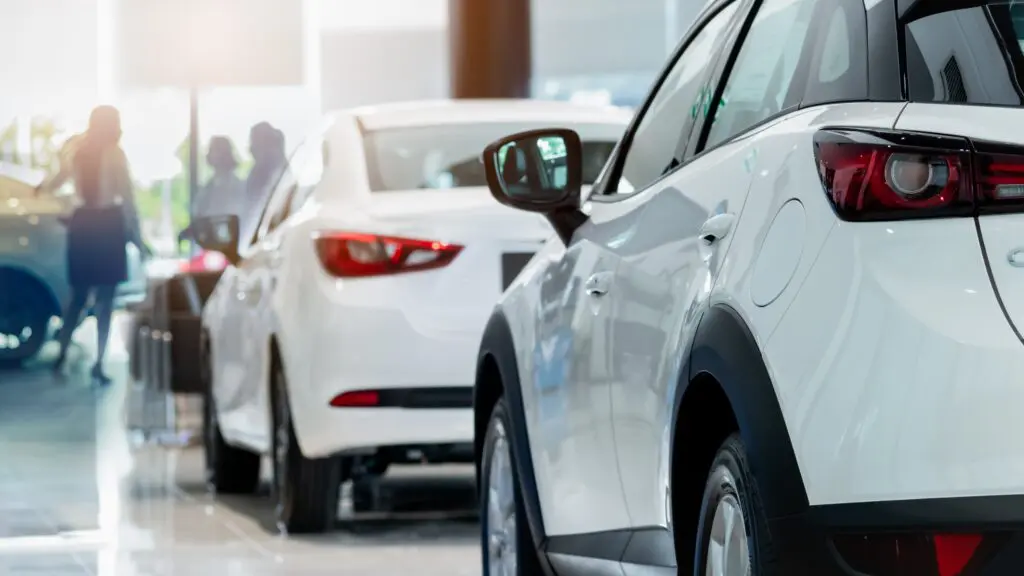
According to Cox Automotive, the U.S. auto industry began 2026 with an average 76-day supply, effectively back in line with historical norms. The figure reflects a broad correction from the oversupply conditions that dominated much of 2025, though inventory levels still vary widely by automaker.

For brands, Toyota and its Lexus maintained some of the tightest inventories in the market, with 33 and 28 days, respectively. These low inventory levels give dealers greater pricing power, as limited supply reduces the need for incentives. However, consumers may face a narrower range of options, especially on popular trims and colors.

Conversely, Volkswagen dealers are carrying an average 143-day supply, nearly double the industry norm. Several Stellantis brands, including Chrysler, Jeep, and Ram, also remain well above four months of inventory, reflecting lingering effects of aggressive production and softer demand. Excess supply typically increases pressure on dealers to discount vehicles to reduce carrying costs.

For consumers, the return to more typical inventory levels does not translate to uniform pricing. Shoppers are more likely to encounter limited negotiation room at brands with tight supply, while oversupplied dealers may offer stronger incentives to move vehicles.

As 2026 unfolds, inventory disparities are expected to play a central role in shaping transaction prices, availability, and deal-making across the U.S. auto market.


Read More
More from Market Reports
February 2026 U.S. auto sales projected at 1.19M units, 15.6M SAAR, with BEV share at 5.6% and average prices at $46,303.

February 2026 U.S. auto sales projected at 1.19 million units as EV demand cools

- March 4, 2026
On the Dash: February’s 1.19 million units and 15.6 million SAAR signal modest growth amid affordability pressures. BEV share at 5.6%, and changing incentives require careful EV inventory and pricing...
U.S. light vehicles fall 4% in January amid incentive changes

U.S. light vehicles fall 4% in January amid incentive changes

- February 17, 2026
On the Dash: Dealers face lower sales volumes and reduced foot traffic due to seasonal disruptions and overall market softness. Rising incentive rates provide opportunities for dealers to stimulate demand...
Car buying satisfaction

Car buyer journey study shows record satisfaction in 2025

- February 9, 2026
Car buyer journey study shows record satisfaction as digital tools and AI reshape vehicle purchases On the Dash: Car buyer satisfaction hit a record high in 2025, driven by improved transparency,...
CDK study

CDK study shows complex shift in EV buyer behavior as incentives phase out

- December 16, 2025
On the Dash: EV loyalty remains strong among buyers actively planning a purchase, even as general consideration declines. Education and targeted engagement are essential to overcome misconceptions among hesitant shoppers. ...
CBT News
Privacy Overview

This website uses cookies so that we can provide you with the best user experience possible. Cookie information is stored in your browser and performs functions such as recognising you when you return to our website and helping our team to understand which sections of the website you find most interesting and useful.