On the Dash:
- Auto loan credit availability climbed to its highest level since June 2022 in April.
- Nearly 30% of auto loans now carry terms longer than 72 months, a new all-time high.
- More than half of all financed vehicles are underwater, up five points from a year ago.
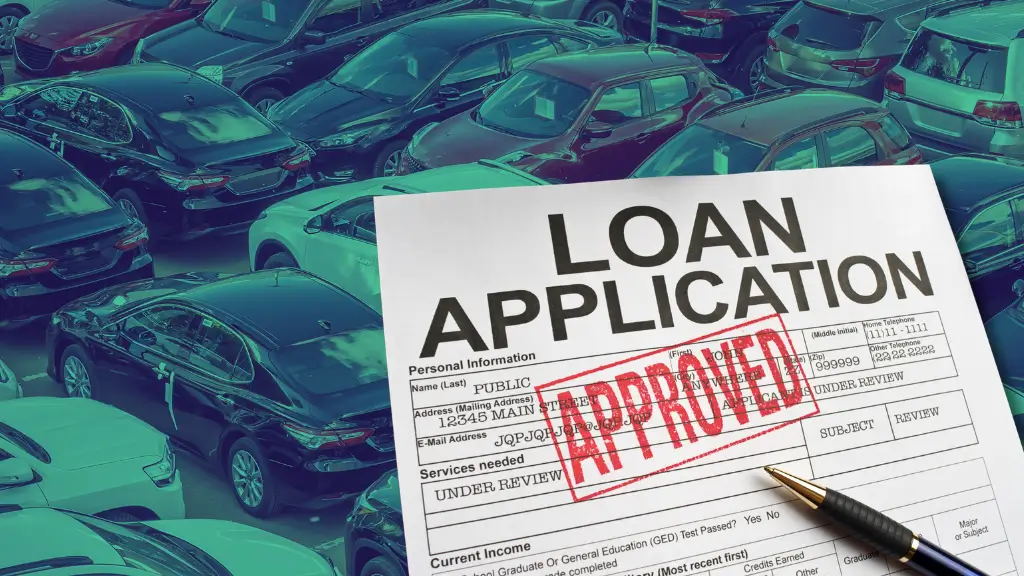
Auto loan credit availability climbed to its highest level since June 2022 in April, according to the Dealertrack Credit Availability Index. At the same time, record-long loan terms and high negative equity are signs of growing financial stress for customers.
Approval up, rates down (slightly)
The index closed at 102.4 in April, just slightly above March’s 102.3. The index rose about 7%, a sign of loosening credit conditions over the past year.
Approval rates are up as well. Lenders approved 71% of auto loan applications in April, up from 70.4% last month. However, that number is down from the same time last year.
Interest rates also fell slightly in April. The average auto loan contract rate fell to 11.2%, down from 11.7% in March. Based on a $40,000, 60-month loan, that translates to roughly $9 a month, or about $540 over the life of the loan.
Loan terms reach record highs
As interest rates fell slightly, loans continued to reach record-long terms. Nearly 30% of auto loans in April had terms longer than 72 months, an all-time high. That’s up nearly 5 percentage points compared to April 2025.
The longer loan terms are adding to another issue in the automotive sales industry, rising negative equity. Vehicles are depreciating faster than customers can pay them off, leaving more than half of all borrowers underwater. The negative equity share reached 58.5% in April, more than 5 percentage points higher than this time last year. For dealers, that means more customers arriving with trade-in debt that has to be rolled into the next deal.
Customers are also putting less money down on new-vehicle purchases, adding to the equity issue. Down payments averaged 13.4% in April, down from nearly 15% a year ago.
Where customers are getting loans
Where customers are getting their loans is shifting. Banks led the pack for the second month in a row, expanding credit availability by 1.6%. Finance companies followed, up 0.8%. But captive lenders like Ford Motor Credit and GM Financial pulled back 0.4%. Credit unions pulled back 0.9%.
As for where the deals are happening, independent used lots and new vehicle deals financed outside the automaker’s own lending arm saw the biggest monthly gains. New vehicle lending broadly improved. Franchise dealer used-car financing fell slightly month over month, though it remains well above year-ago levels.
Details could complicate deals
Overall, credit availability at a nearly four-year high is good news for the auto industry. But digging into the details of the deals shows increasing financial strain for customers.
Customers are borrowing more, putting less down, and stretching payments over longer periods than ever before. While more borrowers are getting approved, more are already underwater. This complicates deals down the line as these customers return to dealerships ready to trade.
While a half-point drop in contract rates is a move in the right direction, it’s not enough to move the needle on affordability for most customers.
Dealers and F&I managers will want to keep a close eye on the market heading into summer, as rising prices could push affordability stress even further.