TSLA401.350-8.63999%
GM72.430-0.67%
F13.1400.11%
RIVN12.885-0.465%
CYD50.200-0.24%
HMC25.3650.155%
TM186.230-1.14%
CVNA62.280-3.74%
PAG159.470-0.28%
LAD259.000-5.89%
AN179.635-2.305%
GPI311.270-5.91001%
ABG179.1902.91%
SAH74.6500.59%
TSLA401.350-8.63999%
GM72.430-0.67%
F13.1400.11%
RIVN12.885-0.465%
CYD50.200-0.24%
HMC25.3650.155%
TM186.230-1.14%
CVNA62.280-3.74%
PAG159.470-0.28%
LAD259.000-5.89%
AN179.635-2.305%
GPI311.270-5.91001%
ABG179.1902.91%
SAH74.6500.59%
TSLA401.350-8.63999%
GM72.430-0.67%
F13.1400.11%
RIVN12.885-0.465%
CYD50.200-0.24%
HMC25.3650.155%
TM186.230-1.14%
CVNA62.280-3.74%
PAG159.470-0.28%
LAD259.000-5.89%
AN179.635-2.305%
GPI311.270-5.91001%
ABG179.1902.91%
SAH74.6500.59%

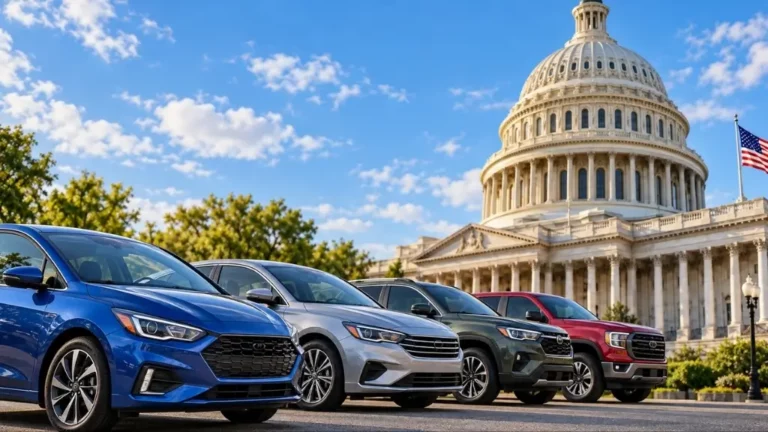
Suburban areas expected to house majority of EVs by 2030, report says

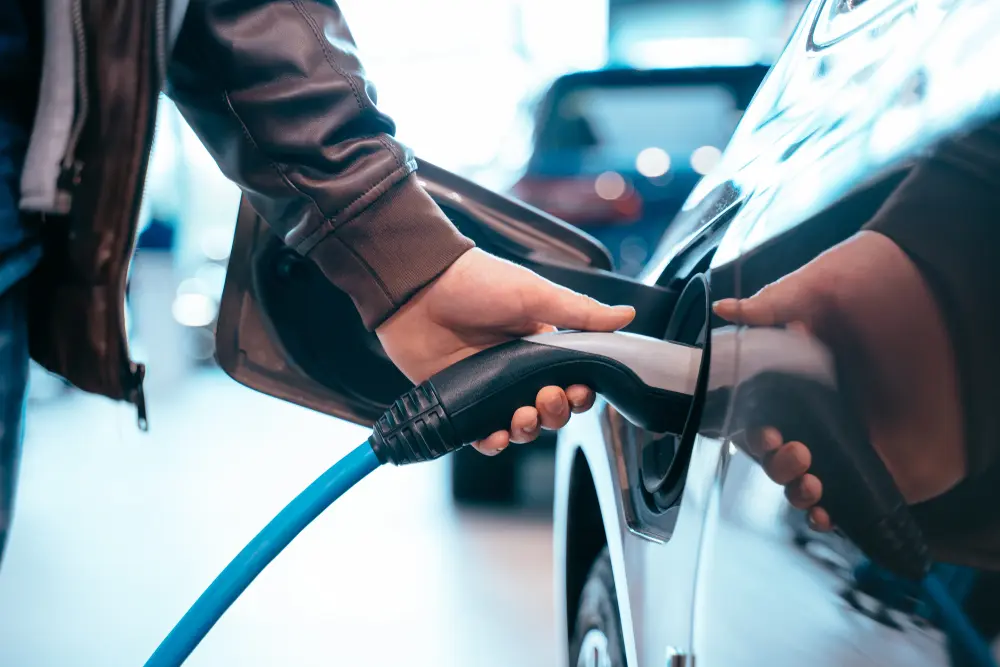
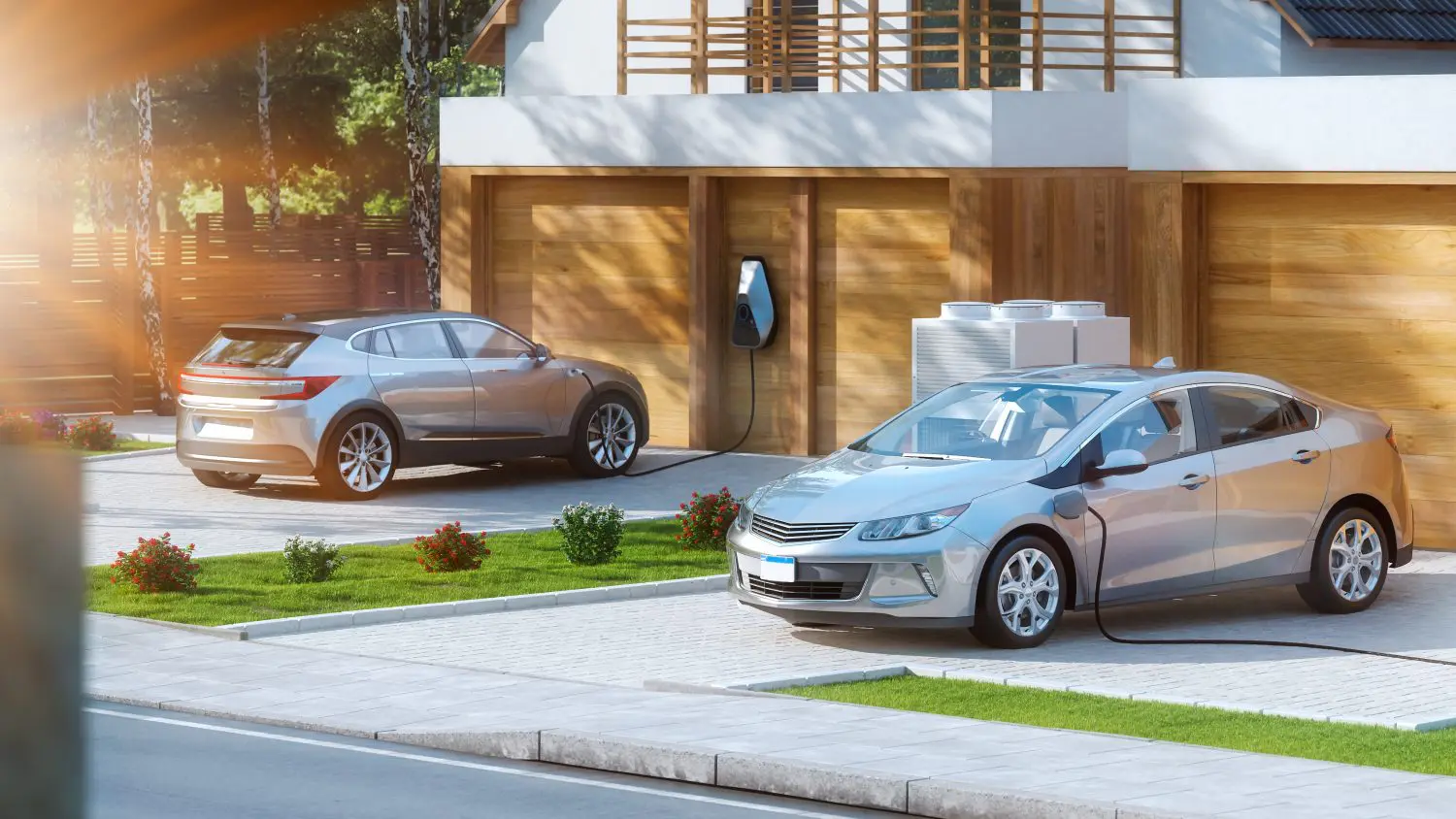
Suburban houses typically come with private parking spaces and home charging capabilities, making them an excellent market for EVs.
EVs are progressing at varying rates depending on their (rural, urban, suburban) location, resulting in a noticeable difference in the usage.

The electrification of vehicles is progressing at varying rates depending on their (rural, urban, suburban) location, resulting in a noticeable difference in the use of electric cars in the United States.

A report by the National Renewable Energy Laboratory, highlighted by the DOE’s Vehicle Technologies Office, suggests that most EVs will be found in suburban areas. It is predicted that suburban regions will house almost 60% of the 33 million vehicles expected by 2030, which is equivalent to about 20 million EVs.

The remaining 40% of EVs will be distributed between rural (20%) and urban (20%) areas.

If this prediction holds true, it means that the majority of EV buyers will require a vehicle for daily use. Suburban houses typically come with private parking spaces and home charging capabilities, making them an excellent market for EVs.

However, potential buyers in urban areas may lack a home charging station, and the shorter driving distances in cities may not make the higher cost of an electric vehicle worthwhile. This is despite the zero-emission feature being highly valued in urban areas.

Furthermore, the report states that in urban areas, 40% of electric vehicle electricity needs will be met by public DC fast chargers (150 kilowatts or more), compared to just 20% in suburban regions and 10% in rural areas. It is worth noting that the most common type of charging will continue to be AC Level 2, with a small amount of AC Level 1.
Read More
More from Articles
TrueCar, CBT News both work to get ahead of FTC pricing policy updates

TrueCar, CBT News both work to get ahead of FTC pricing policy updates

- May 19, 2026
On The Dash: TrueCar says it will include mandatory dealer fees directly in advertised prices, exceeding FTC standards. In March, the FTC sent warning letters to nearly 100 dealer groups...
Elon Musk predicts self-driving domination within a decade as Tesla, Waymo face new recalls

Elon Musk predicts self-driving domination within a decade as Tesla, Waymo face new recalls

- May 19, 2026
On The Dash: Musk predicted Tesla's unsupervised self-driving service will expand nationwide by the end of 2026. Musk said AI will handle 90% of all miles driven within a decade. ...
S&P Global Mobility opens FeeSync to entire automotive industry at no cost, establishing first-of-its-kind dealer fee transparency infrastructure

S&P Global Mobility opens FeeSync to entire automotive industry at no cost, establishing first-of-its-kind dealer fee transparency infrastructure

- May 19, 2026
NEW YORK — May 18, 2026 — S&P Global Mobility today announced that it is opening access to FeeSync powered by Market Scan, its automotive payments-as-a-service platform, to the entire automotive industry at...
House bill targeting EV and PHEV owners sparks environmental backlash

House bill targeting EV and PHEV owners sparks environmental backlash

- May 19, 2026
On the Dash: The BUILD America 250 Act would charge EV owners $130 annually in federal registration fees. Plug-in hybrid owners would pay $35, with both fees rising every two...
CBT News
Privacy Overview

This website uses cookies so that we can provide you with the best user experience possible. Cookie information is stored in your browser and performs functions such as recognising you when you return to our website and helping our team to understand which sections of the website you find most interesting and useful.