TSLA385.345-6.605%
GM77.9700.19%
F12.640-0.07%
RIVN16.5440.1342%
CYD42.3100.02%
HMC24.4050.145%
TM212.610-0.57%
CVNA359.230-11.84999%
PAG155.7150.585%
LAD275.0400.56%
AN197.5301.72%
GPI334.3301.6%
ABG203.5901.05%
SAH65.770-0.12%
TSLA385.345-6.605%
GM77.9700.19%
F12.640-0.07%
RIVN16.5440.1342%
CYD42.3100.02%
HMC24.4050.145%
TM212.610-0.57%
CVNA359.230-11.84999%
PAG155.7150.585%
LAD275.0400.56%
AN197.5301.72%
GPI334.3301.6%
ABG203.5901.05%
SAH65.770-0.12%
TSLA385.345-6.605%
GM77.9700.19%
F12.640-0.07%
RIVN16.5440.1342%
CYD42.3100.02%
HMC24.4050.145%
TM212.610-0.57%
CVNA359.230-11.84999%
PAG155.7150.585%
LAD275.0400.56%
AN197.5301.72%
GPI334.3301.6%
ABG203.5901.05%
SAH65.770-0.12%

Republican attorneys general sue EPA over emission standards

The EPA's regulations aim to reduce greenhouse gas emissions by 7.2 billion tons by 2055.
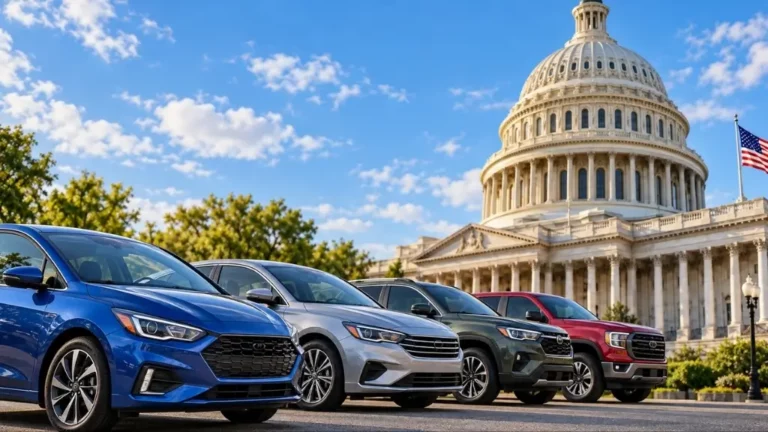
On April 18, Republican attorneys general from 25 states filed a lawsuit against the U.S. Environmental Protection Agency (EPA).

Environmental Protection Agency Administrator Michael Regan

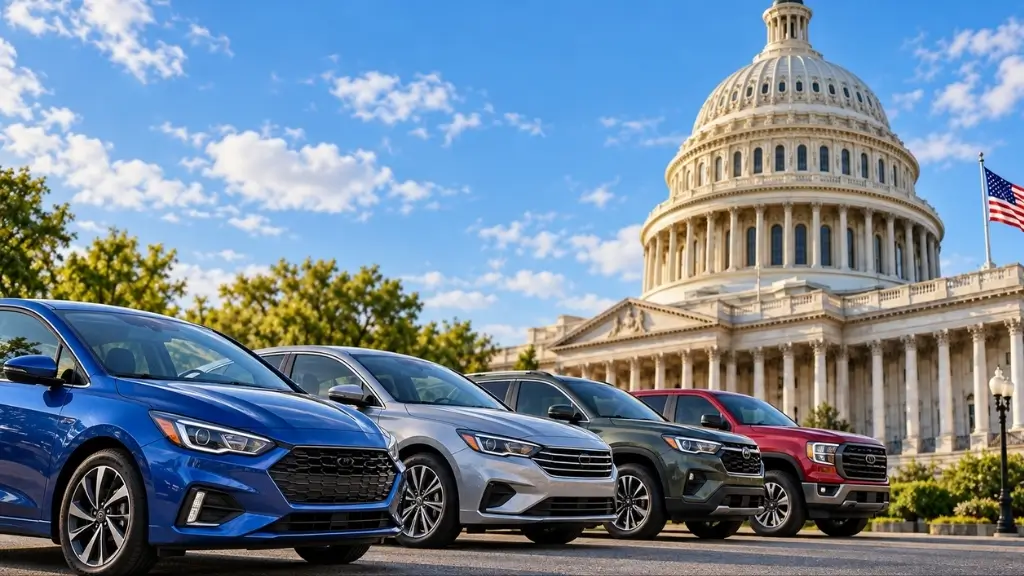
On April 18, Republican attorneys general from 25 states filed a lawsuit against the U.S. Environmental Protection Agency (EPA). They claimed the agency had overstepped its legal jurisdiction to hinder regulations aimed at reducing greenhouse gas emissions from cars and light trucks. 

Attorneys general from Kentucky and West Virginia led the lawsuit against the passenger car standards that President Joe Biden’s administration had resolved on March 20. Other states that joined the suit included: Alabama, Alaska, Arkansas, Florida, Georgia, Idaho, Indiana, Iowa, Kansas, Louisiana, Mississippi, Missouri, Montana, Nebraska, New Hampshire, North Dakota, Ohio, Oklahoma, South Carolina, South Dakota, Utah, Virginia and Wyoming. Nonthless, the case was brought in the U.S. Court of Appeals for the District of Columbia Circuit.

Additionally, the EPA’s regulations aim to reduce greenhouse gas emissions by 7.2 billion tons by 2055 and the fleet’s total exhaust emissions of vehicles and light trucks by over 50% of the 2026 levels by 2032. However, Kentucky’s Attorney General Russell Coleman said the regulations would undermine the American electrical grid, hurt the country’s economy, endanger jobs, and drive up costs. He added that his state had very little consumer interest in EVs.

Moreover, Republican state officials described the regulations as an administration attempt to unfairly alter the U.S. passenger car industry. They said the burdensome regulations made it harder for automakers to stick with the EV strategy

Attorney General Patrick Morrisey of West Virginia criticized the regulations, stating that they exceeded the authority of the Clean Air Act and aimed to restructure the auto industry. He argued that the regulations were legally flawed and unrealistic.

Following pushback from auto workers and the industry, the final version of these rules was less stringent than initially proposed. The new regulations provided automakers with greater flexibility, including the continued use of gas-electric hybrids. Some environmentalists saw this concession as a compromise that might slow the transition to fully electric vehicles. 
Read More
More from Articles
Pentagon taps automakers to boost weapons production capacity

Pentagon taps automakers to boost weapons production capacity

- April 16, 2026
On the Dash: Potential defense contracts could shift production priorities and impact vehicle supply. Increased government demand may tighten supply chains already under pressure. Automaker diversification into defense could influence...
Ford creates unified product organization to accelerate EV, software rollout and margin goals

Ford creates unified product organization to accelerate EV, software rollout

- April 16, 2026
On the Dash: A portfolio refresh signals a consistent pipeline of updated trucks and electrified models through 2029. Expanded software and OTA capabilities will increase focus on digital services and...
Tesla outlook strengthens as software updates fuel investor confidence

Tesla outlook strengthens as software updates fuel investor confidence

- April 16, 2026
On the Dash: Tesla’s software-driven model highlights the growing importance of recurring revenue streams like FSD subscriptions. AI and software capabilities are emerging as key differentiators in the EV market. ...
New-vehicle affordability improves for fifth straight month

New-vehicle affordability improves for fifth straight month

- April 16, 2026
On the dash: Affordability improved for the fifth straight month, driven by income growth, steady pricing and higher incentives. Median income gains reduced the weeks needed to buy a new...
CBT News
Privacy Overview

This website uses cookies so that we can provide you with the best user experience possible. Cookie information is stored in your browser and performs functions such as recognising you when you return to our website and helping our team to understand which sections of the website you find most interesting and useful.