
Every time tensions flare somewhere in the world, gasoline prices seem to jump overnight. Drivers expect it. The news blames geopolitics, oil traders blame uncertainty, and politicians blame each other. But here’s the question almost nobody is asking: if computers can raise prices within hours, why do they suddenly become so patient when it’s time to lower them?
Americans have lived with this frustration for decades. The price of crude oil climbs and gas stations respond almost immediately. Crude oil falls sharply, and suddenly we’re told to be patient. Refiners need time. Distributors need time. Retailers need time. Somehow, that urgency only seems to work in one direction.
Now, a new California lawsuit and a federal push to investigate gasoline pricing suggest there may be another piece of the story that deserves far more attention. It isn’t simply about oil markets anymore. It’s about artificial intelligence, algorithms, and whether software designed to maximize profits is quietly changing how fuel prices are set across America.
If that sounds like something out of a science fiction movie, think again.
Kalibrate is a real pricing platform used by many of the country’s largest fuel retailers. The company markets its software as an advanced pricing solution that analyzes competitor prices, wholesale costs, local demand, traffic patterns, and countless other variables before recommending the “optimal” price at the pump. By the company’s own marketing, it serves many of America’s largest fuel retailers and convenience store chains. Retailers use the software because it promises to increase profit margins while remaining competitive.
There is nothing inherently illegal about using sophisticated software to help make pricing decisions. Every major industry now relies on data analytics. Airlines do it. Hotels do it. Online retailers do it. Consumers have become accustomed to dynamic pricing, even if they don’t like it.
The concern begins when pricing software stops simply reacting to the market and starts shaping it.
A class-action lawsuit filed in California alleges that Kalibrate allowed competing fuel retailers to share competitively sensitive information and receive pricing recommendations that discouraged aggressive price competition. According to the complaint, the software encouraged retailers to avoid undercutting competitors, effectively softening competition and leading to higher prices in areas where adoption was widespread. The defendants deny wrongdoing, and no court has ruled on the allegations. Still, the lawsuit raises an important question that extends well beyond California.
What happens when thousands of competing businesses begin relying on the same algorithm to determine prices?
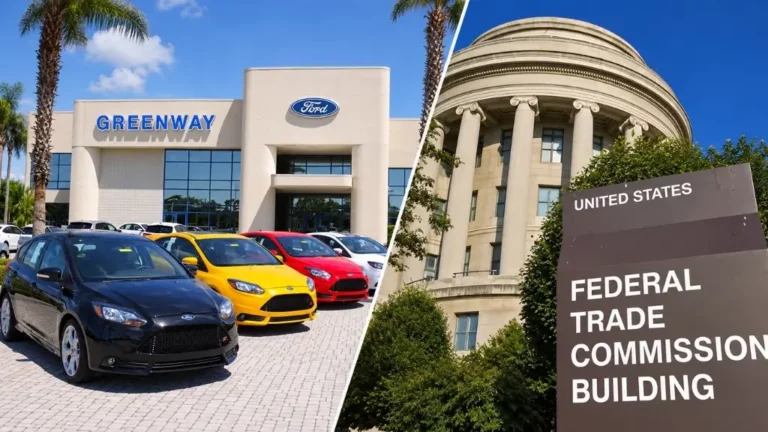
That question has caught the attention of regulators. Earlier this month, the Department of Justice and the Federal Trade Commission urged state attorneys general to investigate whether antitrust violations, unlawful coordination, or other consumer protection issues are keeping gasoline prices artificially high. The request followed President Trump’s public criticism that falling crude oil prices were not being reflected quickly enough at the pump.
Whether those investigations ultimately uncover illegal conduct remains to be seen. But they acknowledge something consumers have been saying for years: something doesn’t feel right.
Anyone who has driven for more than a few years has watched the same pattern repeat itself. Oil prices spike after a geopolitical event and gas stations raise prices within days. When oil falls back, prices drift downward at a painfully slow pace.
Economists even have a name for it: the “Rockets and Feathers” effect.
The theory has been studied for decades and describes the tendency for gasoline prices to shoot upward like rockets but drift downward like feathers. Researchers point to several reasons, including inventory replacement costs, consumer behavior, and local competition. None of those explanations necessarily involve illegal activity.
But artificial intelligence introduces an entirely new variable.
Unlike traditional pricing models, today’s software can monitor competitors continuously, process enormous amounts of market data instantly, and recommend price changes faster than any human pricing manager ever could. If dozens or even hundreds of competing retailers are relying on similar recommendations generated from comparable market data, the practical result may be less price competition without anyone ever picking up the phone to coordinate prices.
That possibility isn’t unique to gasoline.
Federal regulators have already begun examining similar algorithmic pricing practices in apartment rentals, hotel pricing, airline ticketing, and online retail. The concern is that sophisticated algorithms may accomplish indirectly what competitors have long been prohibited from doing directly.
Technology moves faster than regulation.
Consumers usually don’t notice until they open their wallets.
This debate also exposes another misconception. When Americans become frustrated with gasoline prices, they often direct their anger at oil companies. In reality, what drivers pay includes crude oil costs, refining expenses, transportation, taxes, distribution, and retail pricing. Retail stations generally operate on relatively thin per-gallon profit margins, while state taxes and regulatory costs can dramatically affect local prices, particularly in states like California.
That complexity is exactly why this investigation matters.
If gasoline prices are rising because of global supply disruptions, consumers may not like it, but they can understand it. Markets move. Wars affect energy. Hurricanes interrupt refining. Those realities have always been part of the business.
But if sophisticated pricing software is reducing competition by encouraging retailers to move together instead of competing aggressively for customers, consumers deserve answers.
This isn’t simply a story about one lawsuit or one software company. It’s about something much larger.
Artificial intelligence is quietly becoming the invisible middleman in countless financial decisions Americans make every day. It recommends insurance rates, influences airline tickets, adjusts hotel rooms, determines online shopping prices, and now increasingly helps determine what drivers pay every time they pull up to the pump.
Most consumers never know an algorithm was involved.
They simply assume that’s what the market decided.
That’s exactly what investigators are now trying to determine.
One thing should concern every driver regardless of where the evidence ultimately leads. Americans are slowly surrendering pricing decisions that were once driven by fierce competition to automated systems designed with one objective: maximize revenue.
Algorithms don’t care whether you’re commuting to work, driving your kids to school, or trying to keep your small business afloat. They don’t understand household budgets or family vacations. They optimize.
That’s what they were built to do.
As artificial intelligence becomes embedded throughout the economy, we may discover that the real question isn’t whether AI can set prices more efficiently.
The question is whether we’ve quietly allowed machines to redefine what competition actually looks like.
Because if software can determine the price of something as essential as gasoline today, what will it be deciding tomorrow?
Check out my full commentary on this story: https://youtu.be/tIYzRWaJZhw
Looking for more automotive news? https://www.CarCoachReports.com
Listen to The Drive Car Show – https://www.youtube.com/@thedrivecarshow