TSLA400.97012.07%
GM81.7503.7%
F12.9040.4635%
RIVN17.1950.305%
CYD43.3751.0531%
HMC25.0450.685%
TM218.1205.26%
CVNA389.16026.92%
PAG161.2705.25%
LAD282.4207.55%
AN207.1808.89%
GPI347.69012.21%
ABG211.0806.99%
SAH70.5203.15%
TSLA400.97012.07%
GM81.7503.7%
F12.9040.4635%
RIVN17.1950.305%
CYD43.3751.0531%
HMC25.0450.685%
TM218.1205.26%
CVNA389.16026.92%
PAG161.2705.25%
LAD282.4207.55%
AN207.1808.89%
GPI347.69012.21%
ABG211.0806.99%
SAH70.5203.15%
TSLA400.97012.07%
GM81.7503.7%
F12.9040.4635%
RIVN17.1950.305%
CYD43.3751.0531%
HMC25.0450.685%
TM218.1205.26%
CVNA389.16026.92%
PAG161.2705.25%
LAD282.4207.55%
AN207.1808.89%
GPI347.69012.21%
ABG211.0806.99%
SAH70.5203.15%

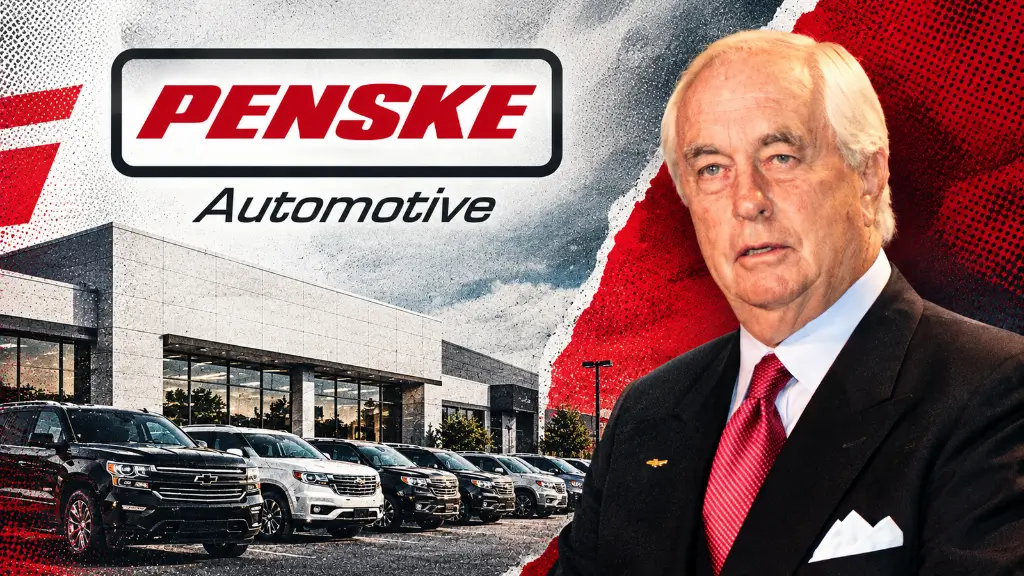
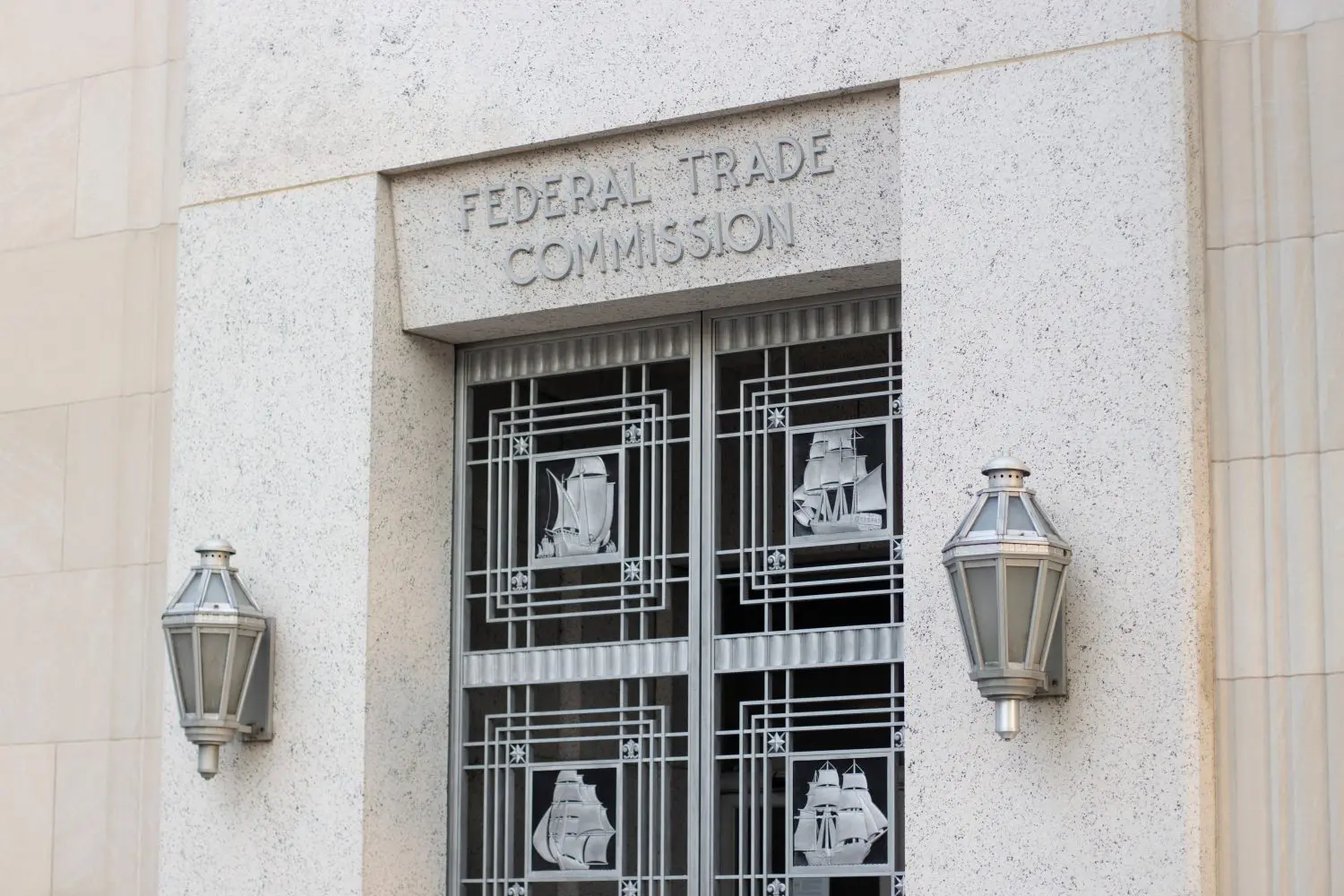
FTC defends new rule on dealership practices amid legal challenge

The FTC maintains that the rule's benefits are significant and necessary to protect consumers from deceptive practices in the auto retail industry.

The FTC has defended its new rule on dealership advertising and finance practices, asserting the rules are necessary.

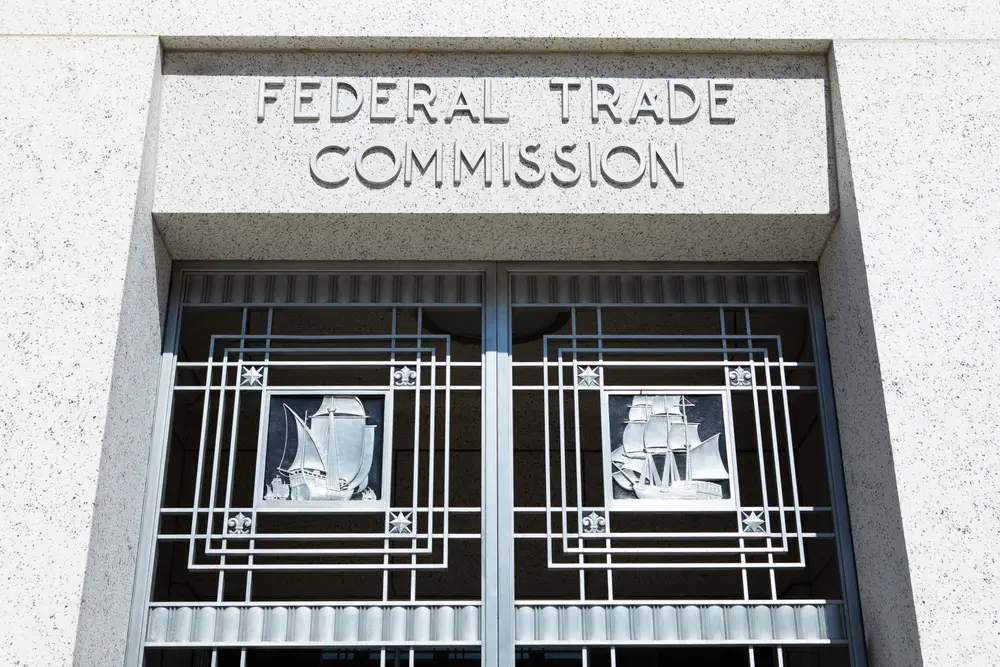
The Federal Trade Commission (FTC) has defended its new regulations on dealership advertising and finance practices, asserting the rules are necessary, lawfully developed, and beneficial to society. This defense comes as the National Automobile Dealers Association (NADA) and Texas Automobile Dealers Association petition the 5th U.S. Circuit Court of Appeals to amend or overturn the regulations.

The Combating Auto Retail Scams (CARS) Rule was set to take effect this summer but has been paused pending the court’s decision. The FTC’s May 14 court filing insists that “NADA’s challenges lack merit and the petition for review should be denied.”

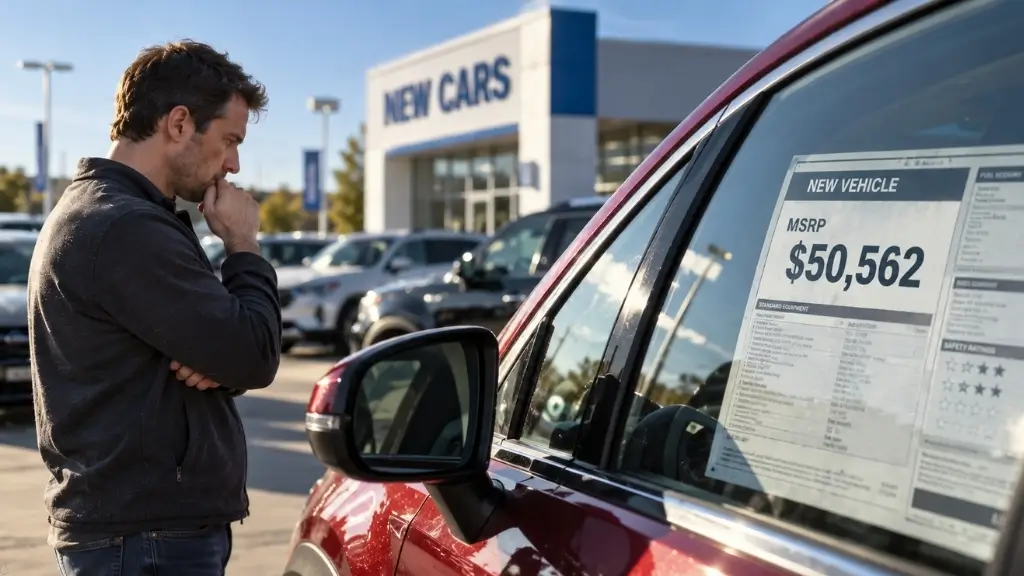
The CARS Rule aims to curb deceptive dealership behaviors, such as bait-and-switch advertising and adding finance and insurance (F&I) products to deals without customer consent. Key provisions include requiring dealerships to advertise a specific vehicle’s out-the-door price, including all charges except government fees, and to obtain “express, informed consent” from customers for additional charges.

NADA and the Texas Association argue that the FTC did not follow its rulemaking process, lacked sufficient evidence for the rule’s necessity, and performed an inadequate cost-benefit analysis. They claim the FTC bypassed the required advance stakeholder notice and acted “arbitrarily and capriciously.”

The FTC rebuffed these claims, noting that the Dodd-Frank Act removed the requirement for advance notice in certain rulemakings, supported by the FTC’s internal rules. The agency argued that the rule is justified based on evidence of persistent misconduct in the auto industry, citing over 2,000 complaints and several enforcement actions as indicators of the need for the rule.

Despite the criticism, the FTC stands by its analysis, which estimates that the new rule will save consumers time and money, outweighing any costs to dealers. The court has set a June 13 deadline for the petitioners to reply and has accepted amicus briefs from various stakeholders, including the National Independent Automobile Dealers Association and American Financial Services Association.

The FTC maintains that the rule’s benefits are significant and necessary to protect consumers from deceptive practices in the auto retail industry.

Read More
More from Articles
STL launches ‘Neuralis’ in the US: A high-performance Data Center portfolio engineered for the AI era

STL launches ‘Neuralis’ in the US: A high-performance Data Center portfolio engineered for the AI era

- April 17, 2026
Washington, United States, 17/April/2026: STL Optical Connectivity NA, LLC,  (STLOC),  a U.S. subsidiary of STL [NSE: STLTECH], a leading connectivity solutions provider for AI-ready digital infrastructure, today announced the U.S. launch of Neuralis, its flagship...
GM leans on global production to supply U.S. market amid cost pressures

GM leans on global production to supply U.S. market amid cost pressures

- April 17, 2026
On the Dash: Imported inventory may create variability in delivery timing and supply consistency. Trade policy shifts could impact the pricing and availability of certain models. Global production strategies may...
Volkswagen ends U.S. EV output, triggering $600 million financial hit 

Volkswagen ends U.S. EV output, triggering $600 million financial hit 

- April 17, 2026
On the Dash: Slower EV demand may impact inventory planning and turn rates for electric models. Production pullbacks could tighten EV supply or shift sourcing toward imports. Ongoing cost pressures...
March sales surge tightens inventory, affordability gaps persist

March sales surge tightens inventory, affordability gaps persist

- April 17, 2026
On the Dash: Faster March sales improved inventory flow, but demand remains uneven heading into Q2. Limited sub-$40K inventory continues to constrain volume opportunities. Rising incentives indicate growing pressure to...
CBT News
Privacy Overview

This website uses cookies so that we can provide you with the best user experience possible. Cookie information is stored in your browser and performs functions such as recognising you when you return to our website and helping our team to understand which sections of the website you find most interesting and useful.