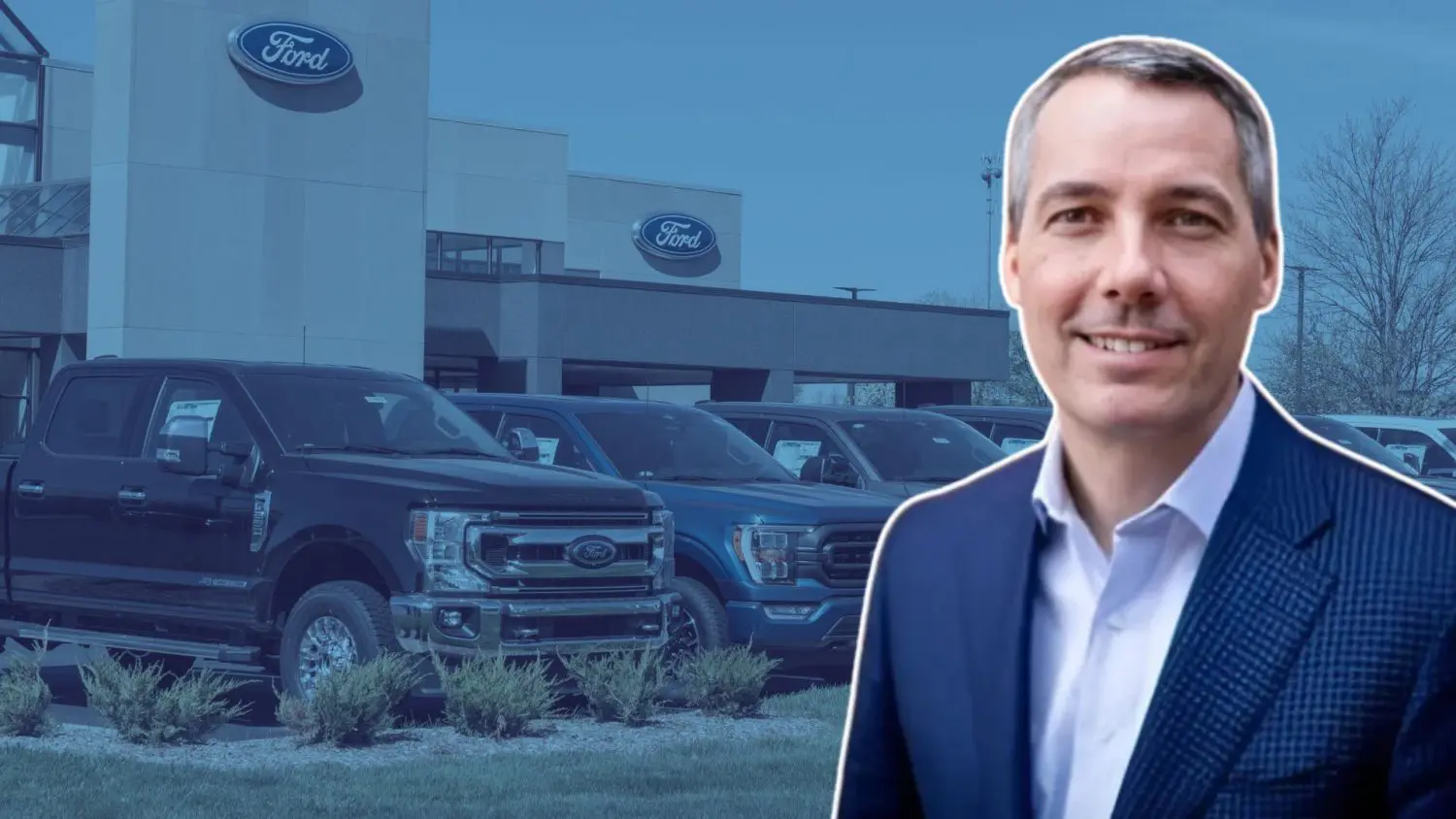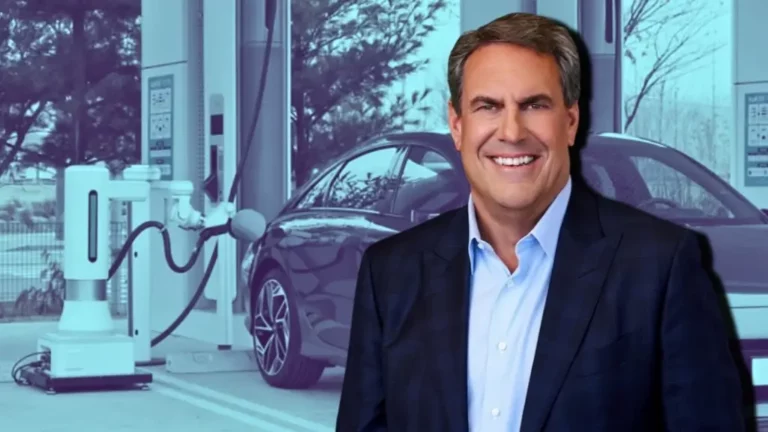
As the Trump administration weighs significant tariff increases on imported goods, Dave Kelleher, president of David Auto Group, is sounding the alarm on what he sees as a ripple effect of economic consequences. In an exclusive interview on Inside Automotive, Kelleher shared with host Jim Fitzpatrick how proposed tariff changes could hurt car buyers, squeeze retailers, and ultimately lead to layoffs across the U.S. dealership network.
Firstly, Kelleher emphasized that the proposed tariffs—although intended to rebalance trade and bolster domestic manufacturing—will have unintended and damaging consequences on both consumers and dealerships. Kelleher clarified that his analysis is rooted in economics, not politics, stating that the global supply chain will affect even the most American-made vehicles.
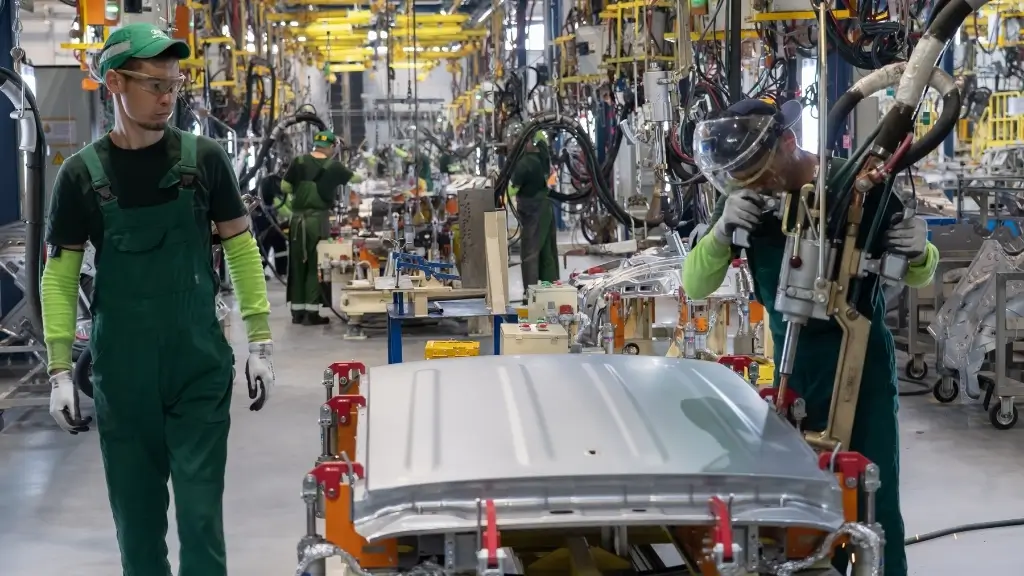
For example, the Ford F-150, the best-selling vehicle in America for decades, is assembled in the U.S. but contains 53% imported parts. Similarly, the Jeep Grand Cherokee, built in Detroit, has 26% of its components sourced from other countries. “Even cars built in American factories by American workers are going to feel the sting of these tariffs,” Kelleher noted.
As a result, consumers will face even higher prices—at a time when inflation and rising interest rates have already pushed monthly payments out of reach. Kelleher shared that some customers who previously leased vehicles for $360 a month are now shocked by new quotes as high as $540, and if tariffs take effect, payments could jump to $680 or more. “We are a payment-driven business,” he said. “Our customers—mostly middle class—buy based on what they can afford per month.”
This squeeze, he explained, would drive more consumers to the used car market, escalating demand and raising wholesale auction prices, which are already climbing. The fallout? Dealerships will be forced to cut back on expenses, including marketing and vendor services, before inevitably reducing headcount. “There will be layoffs,” he said plainly.
Moreover, Kelleher questioned the long-term benefits of such tariffs, suggesting that short-term damage could outweigh the potential future gains of domestic job creation. “We might open a plant in Tuscaloosa that employs 3,000 people,” he said, “but what about the thousands of jobs lost across the country in the meantime?”
He also critiqued the “blunt force” approach, urging a more strategic plan that involves negotiation, tax abatements, and targeted incentives to encourage manufacturers to build in the U.S. instead of penalizing them immediately. “You can’t build a $7 billion factory in six months,” he noted. “Even a retrofit takes 18 to 24 months at rocket speed.”
Despite being a Stellantis dealer and seeing some cushion compared to import-heavy brands like Audi, Porsche, and Volkswagen, Kelleher said the entire industry will feel the strain. Import brands with high foreign part content and minimal U.S. production presence could face steeper losses, and their U.S. dealers and workers along with them.
He added that brands like Audi and Mercedes-Benz are already pulling select models from the U.S. market, leading to job losses among American-based teams. “30% of Volkswagen’s North American team were Americans who lost their jobs,” he said, referring to early impacts already taking place due to tariff threats.
“Virtually every single car in the United States will have some effect of tariff.” – Dave Kelleher