TSLA348.9503.33%
GM76.420-0.31%
F12.123-0.1175%
RIVN15.4300.19%
CYD42.780-0.06%
HMC24.040-0.33%
TM210.640-0.5%
CVNA336.2439.313%
PAG156.1200.97%
LAD273.1006.56%
AN200.5200.1%
GPI338.1400.03%
ABG204.0001.95%
SAH68.0600.235%
TSLA348.9503.33%
GM76.420-0.31%
F12.123-0.1175%
RIVN15.4300.19%
CYD42.780-0.06%
HMC24.040-0.33%
TM210.640-0.5%
CVNA336.2439.313%
PAG156.1200.97%
LAD273.1006.56%
AN200.5200.1%
GPI338.1400.03%
ABG204.0001.95%
SAH68.0600.235%
TSLA348.9503.33%
GM76.420-0.31%
F12.123-0.1175%
RIVN15.4300.19%
CYD42.780-0.06%
HMC24.040-0.33%
TM210.640-0.5%
CVNA336.2439.313%
PAG156.1200.97%
LAD273.1006.56%
AN200.5200.1%
GPI338.1400.03%
ABG204.0001.95%
SAH68.0600.235%

BYD sales drop 36% as domestic EV rivals gain ground in China

BYD’s sales fell 36% in January and February 2026, while competitors like Leapmotor, Xiaomi, Nio, and Zeekr posted strong year-on-year gains, signaling rising domestic competition.

BYD

On the Dash:

  • Dealers may face greater competition as the domestic EV market share becomes more evenly distributed.
  • Rising competitor sales and fiscal policies could influence pricing, incentives, and inventory planning.
  • BYD’s export-driven growth may affect domestic supply and dealer delivery timelines.

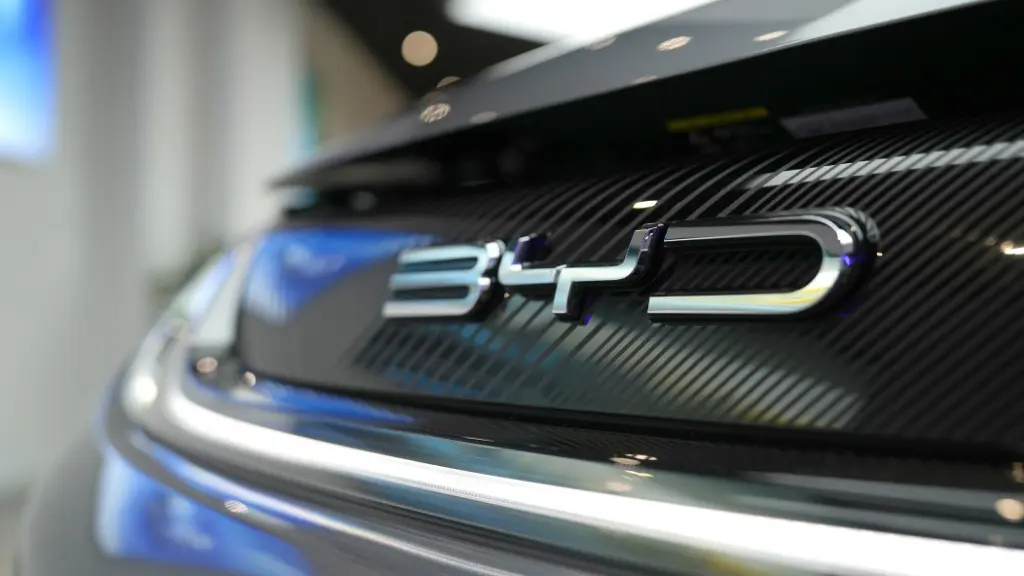
BYD, the world’s largest electric vehicle manufacturer, saw its combined January and February 2026 sales fall roughly 36% from the previous year, adjusted for the two-week Chinese New Year holiday slowdown. The decline comes as domestic competitors posted strong year-on-year gains, signaling a more competitive landscape in China’s EV market.

Leapmotor sold 60,126 vehicles over the same period, a 19% increase from last year, while Xiaomi reported more than 59,000 units, up 48%. Nio and Geely’s Zeekr also saw notable gains, with sales surging 77% and roughly 84% year on year, respectively. Xpeng experienced the largest drop among major EV makers, with deliveries falling about 42% to 35,267 units, while Li Auto’s sales declined nearly 4% to 54,089.

Sign up for CBT News’ daily newsletter and get the latest industry stories delivered straight to your inbox

Analysts say BYD’s slipping domestic share reflects a leveling of the Chinese EV market. The company held roughly 26–34% of the new energy vehicle market in 2024 and 2025, but competitors have been targeting its core mid-market segment. Rival automakers have packed value into their offerings while maintaining competitive price points, a strategy known as involution. Xiaomi’s new YU7 SUV, for example, became China’s best-selling passenger vehicle in January, outselling Tesla’s Model Y.

Regulatory changes also contributed to market shifts. The reinstatement of a 5% purchase tax on new energy vehicles at the end of 2025 may have created a “demand vacuum,” with consumers rushing to make purchases before the tax took effect. Analysts say the rollback signals a purposeful normalization of incentives, encouraging greater self-reliance among automakers while potentially suppressing overall demand.

BYD has responded to increased domestic competition by pivoting to overseas markets. In February, the company’s exports surpassed domestic sales for the first time, with global sales exceeding 1 million units in 2025. New domestic launches later this year, including Blade Battery 2.0 and second-generation flash charging, are expected to drive demand without triggering a price war.

To offset slowing demand, many competitors have introduced creative financing solutions, such as long-term low-interest loans, including 0% five-year offers. Dealers should expect greater competition, evolving pricing pressures, and potential impacts on inventory and delivery timelines as China’s EV market continues to shift.

More from Global Industry News
Mercedes-Benz sales slide as China struggles weigh on global performance

Mercedes-Benz sales slide as China struggles weigh on global performance

- April 9, 2026
On the Dash: Mercedes-Benz reported a year-over-year drop in Q1 global sales, reflecting ongoing market pressure. China remained the primary drag, with a sharp decline tied to local competition and...
Hyundai reroutes global shipments

Hyundai reroutes global shipments as Hormuz disruption strains supply chain

- April 9, 2026
On the Dash: Hyundai is rerouting shipments around Africa, increasing delivery times as geopolitical tensions disrupt key global trade routes. The automaker is accelerating supply chain localization and increasing inventory...
Ceasefire deal aims to stabilize oil markets and ease regional tensions

Ceasefire deal aims to stabilize oil markets and ease regional tensions

- April 8, 2026
On the Dash: The ceasefire temporarily halts the escalation of military conflict while tying peace efforts to the reopening of a critical global shipping route. Energy markets reacted immediately, underscoring...
Stellantis nears deal with Leapmotor to build low-cost Opel EV

Stellantis nears deal with Leapmotor to build low-cost Opel EV

- April 8, 2026
On the Dash: Stellantis is in advanced discussions with Leapmotor to co-develop a low-cost electric vehicle under the Opel brand. The partnership reflects growing pressure on European automakers to compete...
CBT News
Privacy Overview

This website uses cookies so that we can provide you with the best user experience possible. Cookie information is stored in your browser and performs functions such as recognising you when you return to our website and helping our team to understand which sections of the website you find most interesting and useful.