On the Dash:
- CATL wants energy storage to account for half of its global sales by 2030, up from 25% today.
- Automakers and dealers could face tighter EV battery supply and higher costs.
- Ford Energy runs on CATL-licensed technology, putting Ford in a complicated position as competition grows.
The world’s largest EV battery maker, China’s Contemporary Amperex Technology Ltd(CATL), is pivoting from electric vehicles to energy storage. The shift could have a major impact on the electric car market, potentially reducing battery supply and driving up vehicle costs.
CATL says energy storage now accounts for 25% of its global sales, but it wants to increase that number to 50% by 2030. That would make EV batteries a minority of its business for the first time.
CATL: A battery powerhouse
CATL was founded in 2011 and built its reputation by making lithium-ion batteries for automakers. Energy storage was just 2% of its sales five years ago, according to Reuters, and has since grown to 25%. The company now holds a 30.4% global share of the energy storage market, ranking first worldwide for five straight years, according to a company press release.
Kevin Tang, CATL’s director of energy storage systems for Europe, told Reuters the 50% target is driven by demand from power grids. Grid operators need batteries to manage the uneven output of renewable energy sources.
EV batteries make up about three-quarters of CATL’s sales today. If the company hits its storage target, that share drops to roughly half. For automakers and dealers, that means competing harder for CATL’s attention and capacity.
Tang told Reuters that energy storage projects are still difficult to make profitable. That pressure could push CATL to charge more for EV batteries to offset thin storage margins. Rising costs for lithium, copper, and aluminum add to the problem.
Potential impact on Ford Energy
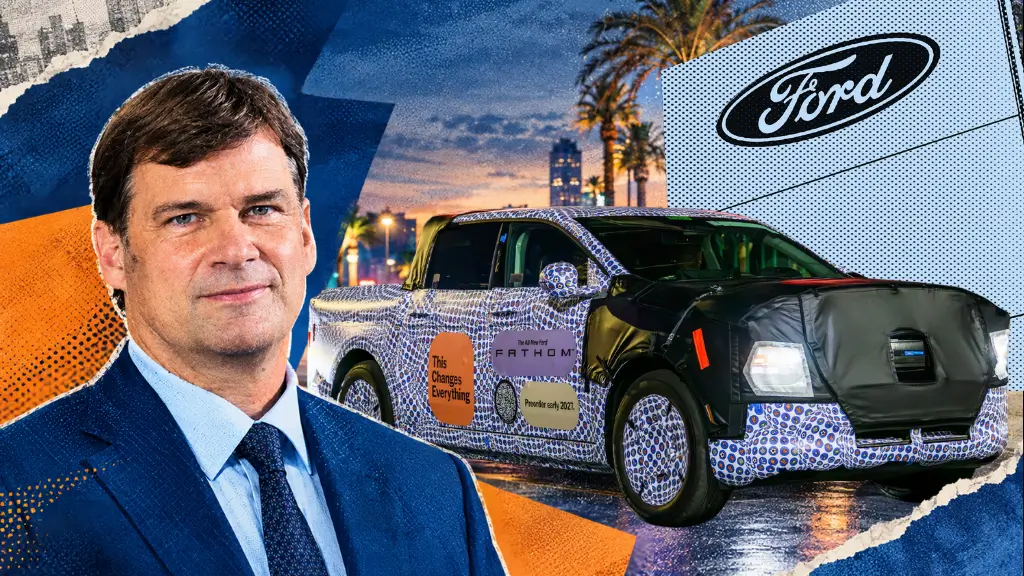
Ford has more at stake here than most automakers. The company launched Ford Energy in May, a new subsidiary repurposing its Kentucky plant to produce grid-scale battery storage systems using licensed CATL technology. Deliveries are planned for 2027.
Since Ford Energy runs on CATL-licensed technology, it puts the company in a unique position. As CATL increases energy storage production, Ford shifts from being a primary customer to a competitor in the same space. How that affects future licensing terms, technology access, and battery pricing for Ford’s Michigan EV plant remains an open question.
Supply chain strain
The rest of the supply chain is feeling pressure too. SK On dissolved its BlueOval SK battery joint venture with Ford in May. It transferred control of multiple U.S. plants amid weak EV demand and financial losses.
Dealers may not feel the effects immediately. But the battery supply chain is changing fast. How those changes affect vehicle availability, pricing, and inventory remains to be seen.