TSLA442.1901.83%
GM84.3900.27%
F16.5280.6481%
RIVN15.1650.465%
CYD56.590-3.12%
HMC27.2800.4%
TM191.8651.755%
CVNA74.6301.63%
PAG168.350-0.66%
LAD294.5351.905%
AN193.710-1.23%
GPI325.850-5.85%
ABG194.7650.805%
SAH84.0100.43%
TSLA442.1901.83%
GM84.3900.27%
F16.5280.6481%
RIVN15.1650.465%
CYD56.590-3.12%
HMC27.2800.4%
TM191.8651.755%
CVNA74.6301.63%
PAG168.350-0.66%
LAD294.5351.905%
AN193.710-1.23%
GPI325.850-5.85%
ABG194.7650.805%
SAH84.0100.43%
TSLA442.1901.83%
GM84.3900.27%
F16.5280.6481%
RIVN15.1650.465%
CYD56.590-3.12%
HMC27.2800.4%
TM191.8651.755%
CVNA74.6301.63%
PAG168.350-0.66%
LAD294.5351.905%
AN193.710-1.23%
GPI325.850-5.85%
ABG194.7650.805%
SAH84.0100.43%

U.S. eases some Taiwan tariffs under trade agreement

The U.S. removed metal duties on Taiwanese aircraft parts and capped levies on auto parts and wood products as part of a January memorandum of understanding.

U.S. eases some Taiwan tariffs under trade agreement

On the Dash:

  • Tariff relief may lower input costs for auto suppliers using Taiwanese precision parts and electronics.
  • There is a 15% cap on duties, which provides pricing stability for imported components used in vehicle assembly and production planning.
  • Broader supply chain alignment with Taiwan could strengthen automakers’ semiconductor- and EV-related sourcing strategies.

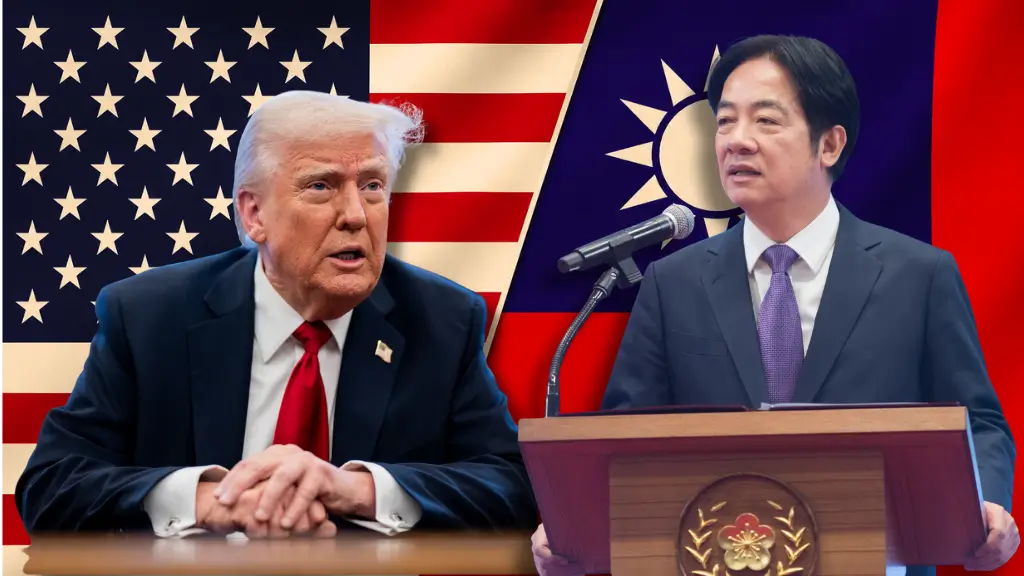
The United States is removing certain metal tariffs on Taiwanese aircraft parts and capping duties on auto parts and wood products, fulfilling part of a January trade agreement with Taiwan.

The U.S. Department of Commerce and the Office of the U.S. Trade Representative published the action on Wednesday in the Federal Register. It covers goods entered on or after May 1.

Sign up for CBT News’ daily newsletter and get the latest industry stories delivered straight to your inbox.

The change removes Section 232 steel, aluminum, and copper tariffs from civil aircraft components made in Taiwan. It also caps the combined duty rate on Taiwanese auto parts, timber, lumber, and wood products at 15%. Section 232 is a provision of the Trade Expansion Act of 1962 that lets the president impose tariffs on imports deemed a threat to national security.

The action fulfills terms of a memorandum of understanding signed Jan. 15. The American Institute in Taiwan and the Taipei Economic and Cultural Representative Office, which handle unofficial U.S.-Taiwan relations, signed the memorandum. A broader Agreement on Reciprocal Trade followed on Feb. 12, but it is not being implemented at this time.

Under the memorandum of understanding, Taiwan committed to facilitating up to $250 billion in corporate credit lines to back Taiwanese investments in the United States. Those investments target semiconductor supply chains, energy, and artificial intelligence infrastructure. Taiwan is also committed to $250 billion in direct investment in advanced semiconductor, energy, and AI production in the U.S.

The February trade agreement calls on Taiwan to eliminate or reduce 99% of its tariff barriers on U.S. exports. Covered sectors include autos, chemicals, beef, dairy, and pharmaceuticals. The U.S. committed to cap tariffs on Taiwanese goods at 15%.

Two-way trade in goods and services between the two sides topped $185 billion in 2024, according to USTR.

For U.S. automakers and their suppliers, the tariff cap offers modest relief on Taiwanese-made components. Taiwan supplies precision auto parts, electronics, and semiconductors used across vehicle assembly. 

More from Global Industry News
Volkswagen rules out Chinese plant talks amid Europe overcapacity concerns

Volkswagen rules out Chinese plant talks amid Europe overcapacity concerns

- May 21, 2026
On the Dash: Volkswagen continues restructuring European operations as weak demand and overcapacity pressure profitability. Localized production strategies are becoming more important as tariffs and global competition reshape manufacturing. Ongoing...
Stellantis expands China EV strategy with $1.17B Dongfeng partnership

Stellantis expands China EV strategy with $1.17B Dongfeng partnership

- May 15, 2026
On the Dash: Stellantis is accelerating its EV strategy through deeper partnerships with Chinese automakers and suppliers. China’s leadership in EV technology continues to reshape global manufacturing and sourcing decisions. ...
Trump’s China visit raises new questions for U.S. automakers

Trump’s China visit raises new questions for U.S. automakers

- May 14, 2026
On the Dash: Dealers should expect continued uncertainty around EV sourcing, tariffs, and future U.S.-China trade policy. National security concerns surrounding connected vehicles could reshape future technology standards and inventory...
President Trump meets with Chinese leader Xi Jinping in Beijing this week. It comes as China says it exports more EVs than ICE cars, despite a U.S. ban on Chinese auto imports.

China hits new EV export milestone as Trump heads to Beijing to talk trade

- May 11, 2026
On the Dash: China exported more EVs than gas cars for the first time in April. U.S. tariffs are instead redirecting Chinese EVs to Europe and Latin America. Congress and...