TSLA447.66014.21%
GM75.660-0.78%
F13.7251.7348%
RIVN14.4650.515%
CYD50.7052.185%
HMC24.4150.305%
TM187.1605.49%
CVNA70.180-3.54%
PAG166.880-2.15%
LAD271.920-3.37999%
AN190.860-4.5%
GPI330.850-5.29%
ABG193.620-0.06%
SAH76.480-2.1%
TSLA447.66014.21%
GM75.660-0.78%
F13.7251.7348%
RIVN14.4650.515%
CYD50.7052.185%
HMC24.4150.305%
TM187.1605.49%
CVNA70.180-3.54%
PAG166.880-2.15%
LAD271.920-3.37999%
AN190.860-4.5%
GPI330.850-5.29%
ABG193.620-0.06%
SAH76.480-2.1%
TSLA447.66014.21%
GM75.660-0.78%
F13.7251.7348%
RIVN14.4650.515%
CYD50.7052.185%
HMC24.4150.305%
TM187.1605.49%
CVNA70.180-3.54%
PAG166.880-2.15%
LAD271.920-3.37999%
AN190.860-4.5%
GPI330.850-5.29%
ABG193.620-0.06%
SAH76.480-2.1%


Why solution-oriented thinking defines top-performing teams

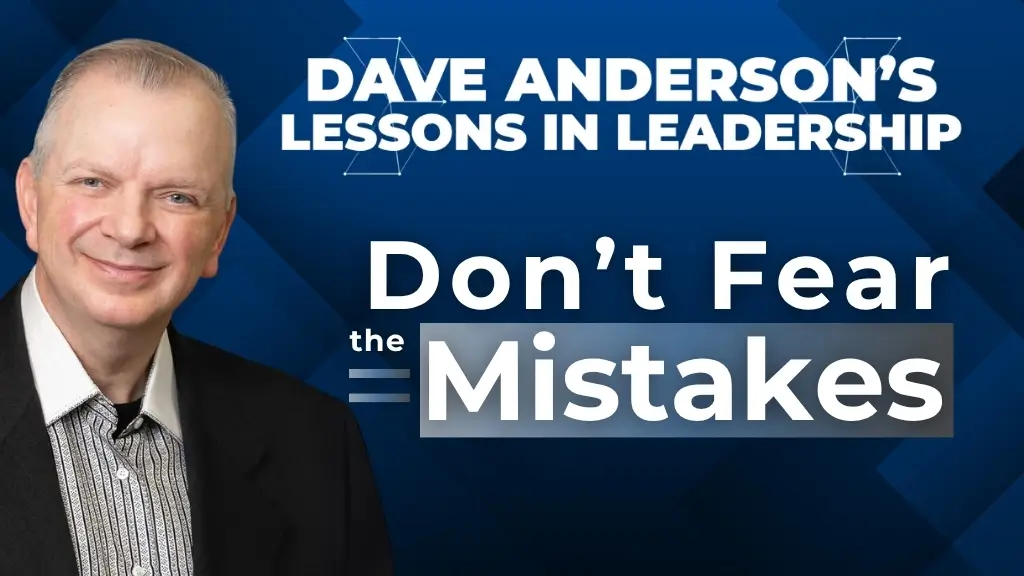
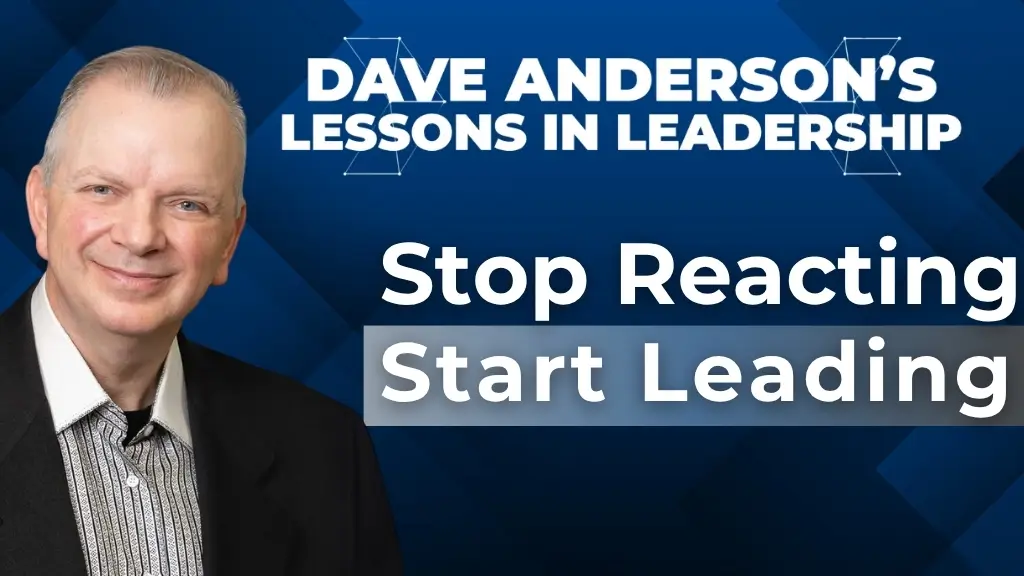
In high-performance business cultures, employees don’t just identify problems; they come prepared with solutions. That’s the core message from leadership expert Dave Anderson on the latest episode of Lessons in Leadership.

Anderson, discussing the 19th trait in his 21-part framework for high-performance business cultures, argues that solution-oriented thinking is a defining characteristic of top-performing teams, and a skill dealership leaders can actively cultivate.

Hire for it, then reinforce it

According to Anderson, the behavior starts at the hiring level. Organizations that consistently attract and retain solution-minded employees understand that bringing a potential fix to a problem signals leadership ability, regardless of title or position.

Sign up for CBT News’ daily newsletter and get the latest industry stories delivered straight to your inbox.

"Finding solutions marks them as a leader, whether they're in a leadership position or not." 

But hiring alone isn’t enough. Anderson emphasizes that managers must actively condition their teams to think this way by setting a clear standard. This entails not bringing a problem without first giving some thought to how to solve it.

Driving engagement

This approach shifts responsibility across the organization. Rather than relying solely on managers to resolve challenges, employees take ownership by thinking critically and proposing next steps. Leaders actively condition their teams to adopt this behavior, creating consistency across departments.

When employees help develop solutions, they become more invested in the outcome. Teams are more likely to support initiatives they helped shape, reinforcing collaboration and accountability.

The alternative, he warns, is a fault-finding culture where grievances circulate without resolution, stalling growth and eroding morale.

Anderson’s framework offers a straightforward challenge for dealership principals and managers by examining whether your culture rewards problem-spotters or problem-solvers. The distinction, he argues, is what separates organizations that are merely surviving from those that are actively growing.

Anderson’s full 21-part Lessons in Leadership series is available at CBTnews.com. His book, Elevate Your Excellence, is available on Amazon and at learntolead.com.


More from Lessons in Leadership
How accountability continuously fuels team improvement

How accountability continuously fuels team improvement

- May 13, 2026
High-performance business cultures prioritize accountability and eliminate the blame game, according to Leadership Expert and Founder of LearnToLead, Dave Anderson.  During the latest Lessons in Leadership segment, Anderson identifies responsibility as...
Why poor performers stay too long and how to fix it

Why poor performers stay too long and how to fix it

- April 29, 2026
On this episode of Lessons in Leadership, Dave Anderson, President of LearnToLead, breaks down the 18th trait in his 21 traits for high-performance cultures: fire fast. The foundation of this trait...
Resilient

How resilient is your dealership team, really?

- April 22, 2026
According to Dave Anderson, founder of LearnToLead and leadership expert, resiliency is not just a personal trait, it’s a cultural one. On the latest installment of Lessons in Leadership's 21-traits of building...
peer pressure

Utilizing peer pressure to define high-performing cultures

- April 15, 2026
  Dave Anderson, President of LearnToLead, says the most effective business cultures are defined by peer pressure to perform rather than management-driven oversight. During today’s episode of Lessons in Leadership, Anderson...
CBT News
Privacy Overview

This website uses cookies so that we can provide you with the best user experience possible. Cookie information is stored in your browser and performs functions such as recognising you when you return to our website and helping our team to understand which sections of the website you find most interesting and useful.