On the Dash:
- The latest JD Power-GlobalData forecast shows April’s 7.3% sales drop stems from last spring’s tariff-driven buying rush.
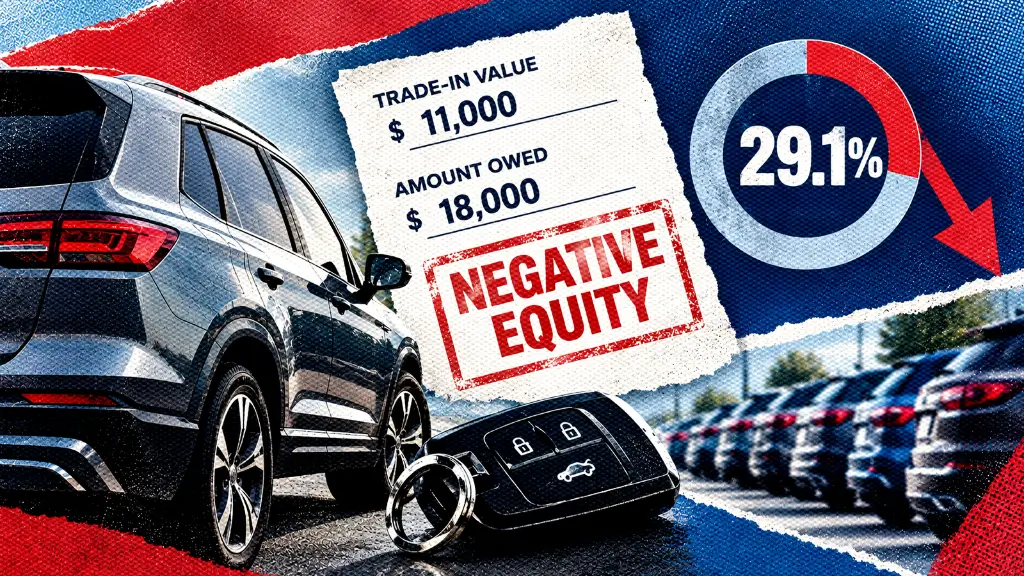
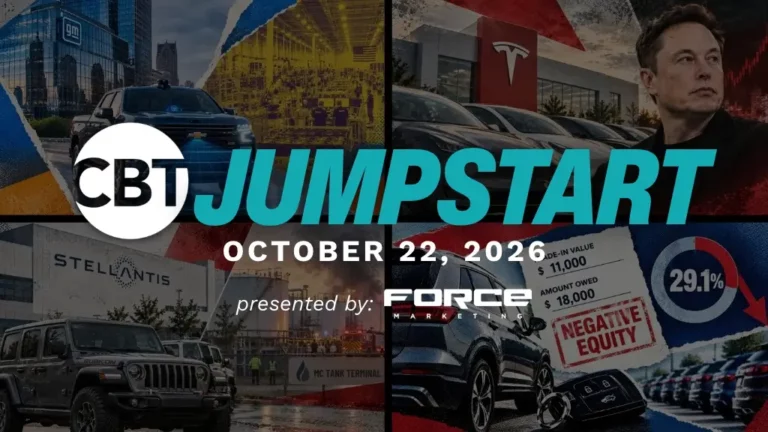
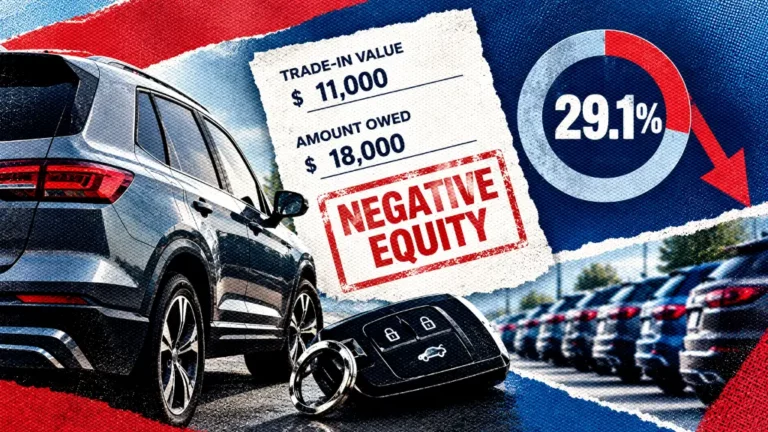
- Nearly one in three trade-ins carries negative equity, making deals harder to structure and close.
- Manufacturer incentives are up 11.1%, giving dealers a real tool to bridge the gap and move inventory.
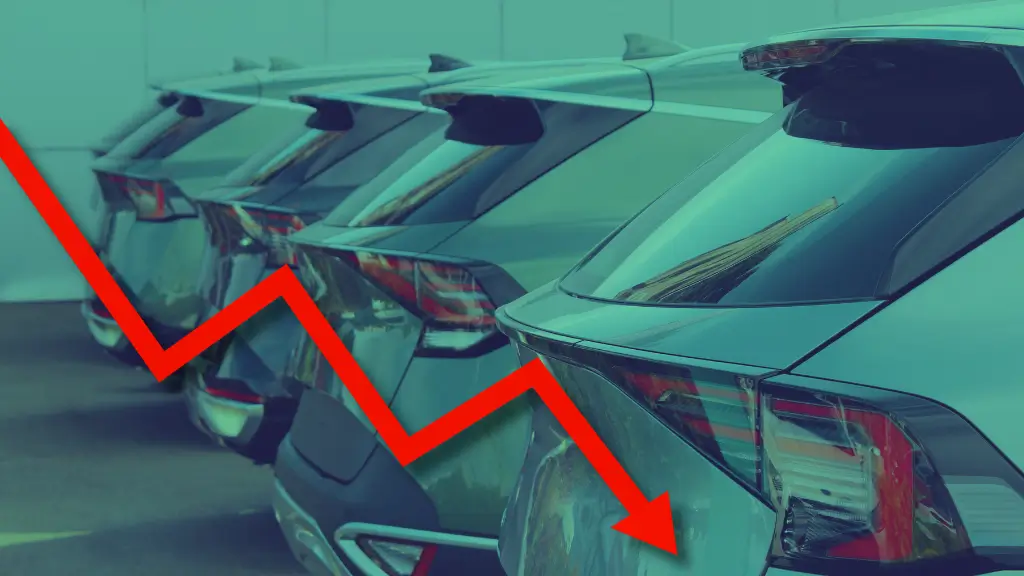
JD Power and GlobalData’s latest forecast shows a 7.3% sales decline in new car sales for April 2026. While that number looks alarming, there’s more to it. Analysts point to a tariff-driven rush to retail lots last April when an additional 53,000 consumers bought new cars in an attempt to head off price increases from anticipated trade tariffs.
The seasonally adjusted annualized rate (SAAR) for total new vehicle sales is now expected to be 16 million units, close to last year’s full-year average of 16.3 million. Last April’s tariff-driven spike in sales pushed that number to 17.2 million.
Payments rise, despite steady pricing
The average new-car buyer pays $812 per month, up 3.1% from last year, according to the forecast. Analysts say the uptick isn’t due to prices or interest rates, but from a rise in negative equity.
New vehicle prices held steady at an average of $45,990, essentially unchanged from a year ago. At the same time, interest rates on new car loans are down slightly to 6.73%. The difference is the trade-in value, which fell to over $7,099, down $660 from April of last year. The study found that nearly a third of trade-ins leave the buyer owing more than the car is worth. Customers who bought cars at peak prices during the 2021 and 2022 vehicle shortage are returning to the market and paying the price.
Manufacturers Increasing Incentives
Manufacturers are trying to soften the blow by increasing incentives. Average incentive spending has climbed 11.1% to $3,141 per vehicle. Incentives now represent 6.1% of a vehicle’s sticker price, up from 5.6% last April.
The biggest incentives are on electric vehicles. Manufacturers are spending an average of $10,018 per EV to attract buyers, nearly 3.5 times the $2,860 average spent on gas-powered vehicles. Even with that gap, EV incentives dropped 1.7% from last year. Electric vehicles still need significant discounting to drive sales now that the federal tax credit for new EVs has expired.
More customers looking at leasing
Leasing is also making a strong comeback, according to the April forecast. The report says nearly one in four new vehicle buyers chose to lease in April, the highest rate in years.
The report found that among all new-vehicle buyers in April, 23.2% opted to lease, a 1.3 percentage-point increase from a year ago. A trend analysts expect to remain elevated throughout the rest of the year.