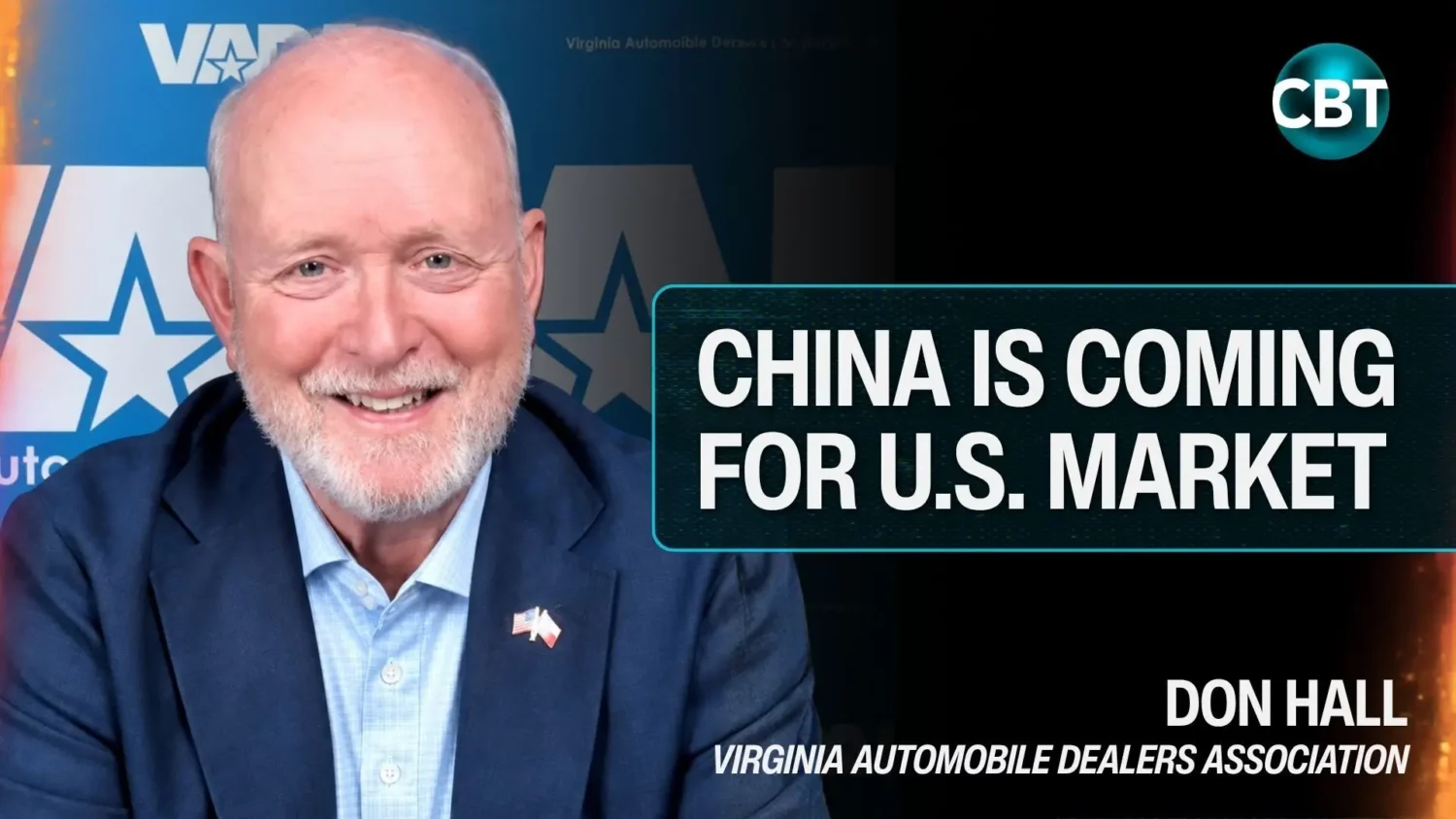
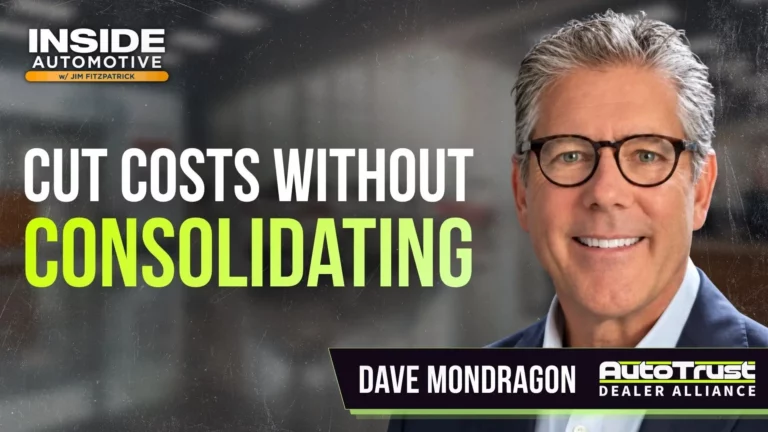
As we’re looking ahead to what 2026 may bring, from market conditions to legislative priorities, Don Hall, the president and CEO of the Virginia Automobile Dealers Association (VADA), joins us to help dealers put it all into perspective.
On today’s episode of Inside Automotive, Hall points to the robust vehicle sales in Virginia as an encouraging indicator for the year ahead. He notes that current fleet sales have played a massive role in bolstering overall numbers, which were driven by purchases from businesses and government agencies. While retail demand has remained steady, fleet volume has been a key factor supporting market performance across the state.
Hall’s optimism continues to define the retail automotive industry, regardless of shifting economic or political conditions. Dealers, he explained, are accustomed to adapting and remain focused on improving performance year over year, even amid uncertainty.
2025 outlook
Looking back at 2025, Hall addresses the changes in federal EV policy and their impact on the market. While the removal of EV tax incentives raised early concerns, he said demand has not collapsed, particularly in coastal markets. At the same time, he emphasized that consumer preference, not government mandates, should drive powertrain adoption.
He also highlighted Toyota’s long-term strategy as a notable example, pointing to the automaker’s early and sustained investment in hybrid technology. According to Hall, hybrid models continue to gain traction in Virginia, reflecting consumer demand for choice among electric, hybrid, and ICE vehicles.
Inventory levels, however, remain a growing concern. Hall warns that new-vehicle supply continues to rise, approaching pre-pandemic levels, with millions of vehicles on dealer lots nationwide. He said higher inventory creates financial pressure for dealers due to ownership costs, floorplan expenses, and aging units, while incentives have not kept pace with rising supply.
Hall expressed particular concern about automakers prioritizing volume over dealer profitability, citing examples of manufacturers pushing vehicles into the market through unconventional channels. He said these practices risk long-term harm to the franchise system and place additional strain on retailers already managing tight margins.
Evolving with the times
Another major issue heading into 2026 is automakers’ direct-to-consumer sales efforts, including those from Volkswagen-backed Scout Motors. Hall said this remains a top priority for dealer associations nationwide and warned that many dealers underestimate the threat.
He stressed that direct sales initiatives are not isolated experiments but part of manufacturers’ broader strategies to reduce the role of franchise dealers. Hall noted that public sentiment increasingly favors buying directly from manufacturers, making it critical for dealers to improve customer experience and demonstrate their value.
To counter that shift, Hall emphasized the importance of investing in dealership employees. He said strong customer experiences depend on well-supported staff across sales and service. Improving compensation, benefits, work-life balance, and training, he added, is essential to maintaining consumer trust and defending the franchise model.
“The most important asset you have in your dealership is your people. It is your people that give great buying experiences. It is your people that take care of those service lane customers that come in.”
Hall also addressed arguments in favor of direct sales under free-market principles, asserting that the franchise system itself represents true market competition. He said removing dealers from the equation would limit consumer choice and pricing flexibility, concentrating power with manufacturers rather than expanding competition.
On the legislative front, Hall outlined the Virginia Automobile Dealers Association’s priorities for the year ahead. With recent elections reshaping state leadership, he said issues such as labor laws, health care costs, workers’ compensation, and minimum wage will require ongoing advocacy. He emphasized the importance of educating lawmakers about the economic impact of dealerships, including employment and tax contributions across the state.
Industry resilience
Further, Hall encouraged dealers to become more actively engaged with their state associations, calling them a critical line of defense against regulatory and manufacturer-driven challenges. He said associations belong to dealers and are most effective when members participate directly or assign key managers to stay involved.
He also noted recent legislative wins supporting automotive technicians, particularly related to warranty labor, underscoring the growing importance of the service department to dealership profitability.
Turning to federal policy, Hall addressed recent changes to fuel-economy regulations, noting that reduced regulatory pressure could lower vehicle costs over time. He cautioned, however, that regulatory cycles often shift with political leadership and urged dealers to remain prepared for future changes.
Tariffs were another area of discussion. While Hall said their impact has been less disruptive than initially feared, he cautioned that long-term effects remain uncertain, particularly given the global nature of vehicle manufacturing. He noted that while some production is returning to the U.S., many vehicles and components are still sourced overseas, making tariff policy a continued area to watch.
Despite these challenges, Hall said the industry remains resilient. He emphasized that change is a constant in automotive retail and that dealers have consistently adapted to evolving market conditions.
Overall, Hall expressed cautious optimism that 2026 will bring stability and opportunity, provided dealers remain engaged, invest in their people, and stay proactive in defending the franchise system.