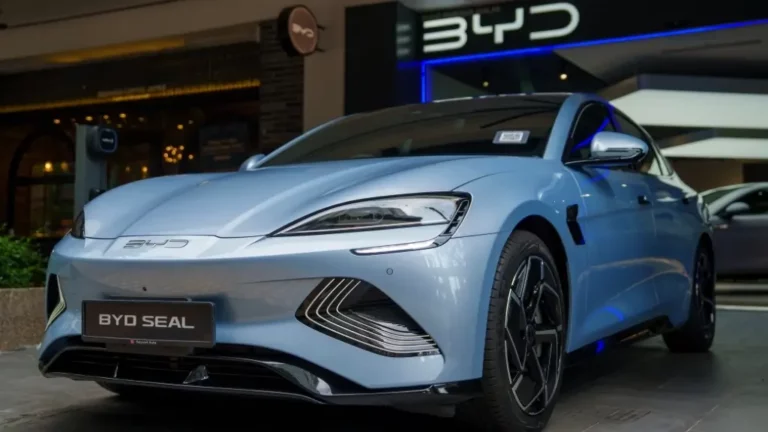
The electric vehicle (EV) industry has become a beacon of innovation and sustainability in the automotive world, but recent market fluctuations have sparked debates about its future. As major players like Ford reconsider their electric strategies, we’ll explore whether these challenges signal a temporary slump or a more permanent decline.
Current Market Conditions
The EV market has seen significant shifts in recent months. Kelley Blue Book recently reported second-quarter solid EV sales, with 320,463 units sold—a notable 23% increase from the previous quarter and an 11% rise compared to last year. This data highlights ongoing consumer interest in electric vehicles, even amid economic uncertainties.
Further insight from CBT News reveals that OEMs’ aggressive pricing, leasing, and financing strategies significantly contributed to these sales figures. Discounts exceeding $10,000 on some models, such as Kia’s EV9, suggest that price cuts played a crucial role. These price cuts and significant incentives made EVs more financially accessible while driving a sense of urgency among buyers.
Challenges Facing the EV Industry
The EV industry is facing a confluence of challenges that could threaten its momentum. Supply chain issues, particularly semiconductor shortages and constraints in battery material availability, have disrupted production and delayed new model launches. Economic factors such as inflation and rising interest rates are also dampening consumer purchasing power, making the already high cost of EVs even more prohibitive.
Competition is another growing concern. Traditional automakers ramp up their EV offerings, which could lead to market saturation. The uncertainty surrounding future government policies and incentives adds another layer of complexity. For instance, Ford recently announced the cancellation of its all-electric SUV program, which reflects both the competitive pressures and the uncertain market conditions. Ford’s decision to pull the plug on this project underscores the challenging landscape that even established players are navigating.
Arguments for a Temporary Slump
Despite the hurdles, several factors suggest that the current slump might be temporary. The solid second-quarter EV sales indicate that consumer interest remains high, particularly in regions with supportive infrastructure and incentives. Technological advancements continue to drive the industry forward. Innovations in battery technology promise to reduce costs and extend range, while improvements in charging infrastructure are making EVs more convenient for everyday use.
Environmental regulations are also likely to sustain long-term demand for EVs. As governments worldwide tighten emissions standards, the push towards zero-emission vehicles could accelerate. Furthermore, younger generations increasingly prioritize sustainability, which could translate into a growing consumer base for EVs as these demographics gain purchasing power.
Arguments for a Permanent Decline
On the other hand, there are signs that the EV industry might be facing more than just a temporary setback. Market saturation could be a significant issue, particularly in developed markets where most early adopters have switched to EVs. The high upfront costs of EVs remain a barrier, especially in emerging markets where affordability is a critical concern.
Moreover, alternative technologies such as hydrogen fuel cells and synthetic fuels are gaining traction. These technologies, which promise lower emissions without some of the drawbacks associated with EVs, could challenge the dominance of electric vehicles in the long term.
Conclusion
The future of the electric vehicle industry is at a crossroads. While the challenges it faces are formidable, there are also powerful forces driving innovation and demand. Whether the current downturn is merely a temporary slump or the beginning of a more permanent decline will depend on how the industry navigates these challenges. For consumers and industry stakeholders, staying informed about these developments will be vital to making sound decisions in an increasingly complex market.
As the industry evolves, it’s clear that the road ahead will be anything but straightforward. The decisions made today, like Ford’s cancellation of its all-electric SUV program, will shape the trajectory of the EV market for years to come.
For more information on Ford’s decision, refer to the full article here: https://www.autoweek.com/news/auto-shows/a45076334/ford-cancels-elect