On the Dash:
- The Senate Commerce Committee advanced the Connected Vehicle Security Act, permanently banning Chinese connected-vehicle tech.
- Mercedes-Benz’s 20% Chinese ownership stake exceeds the bill’s 15% threshold, risking a U.S. sales ban.
- The bill still needs a Senate floor vote and passage through three House committees.
The Senate Commerce Committee advanced legislation Wednesday to permanently ban Chinese-linked vehicles and technology from the U.S. market. The Connected Vehicle Security Act of 2026, S.4429, bars companies with more than 15% Chinese ownership from selling vehicles in the United States.
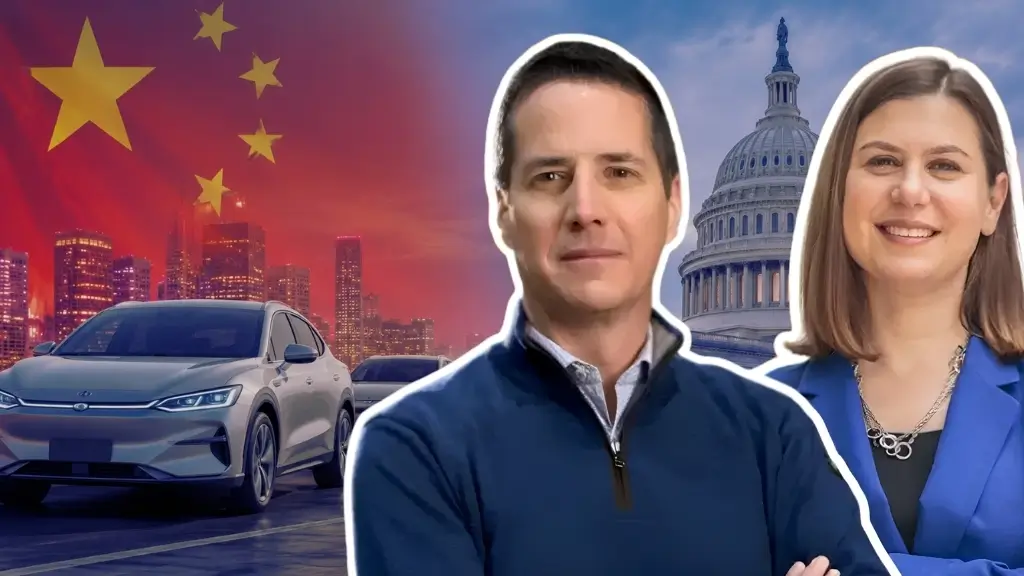
The bill, introduced by Sen. Bernie Moreno (R-Ohio) and Sen. Elissa Slotkin (D-Mich.) in April, would permanently bar the importation, manufacture, sale, and resale of connected vehicles, software, and hardware tied to China, Russia, Iran, or North Korea.
Senate bill could ban Mercedes-Benz
Committee Chairman Ted Cruz noted that the bill’s ownership provision could also affect Mercedes-Benz. Mercedes-Benz carries nearly 20% Chinese investment, putting it inside the provision’s threshold as it is currently written. However, Moreno said Mercedes-Benz would have until 2030 to comply and could get waivers from the ownership requirement if needed.
Mercedes-Benz had already been working to head off that outcome. Ahead of the vote, the automaker lobbied to raise the bill’s Chinese ownership cap from 15% to 25%, a change that would put the company under the threshold.
Industry groups react
Industry groups have started weighing in on the bill’s passage.
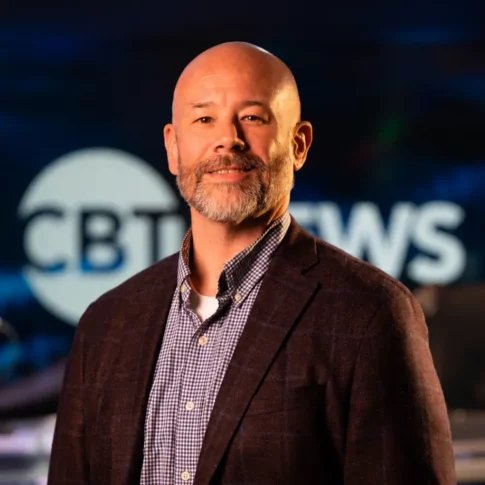
In an exclusive interview with CBT News, Don Hall, CEO of the Virginia Auto Dealers Association (VADA), praised the bill and warned against allowing Chinese vehicles and connected technology into the U.S. market.
“China is not our friend. We ought not to let them in this country, period. They stole much of our technology, and thus they’re coming back to compete, to underwrite the market,” Hall said.
American International Automobile Dealers Association (AIADA) President and CEO Cody Lusk released a statement following the bill’s passage in the committee.
“(Chinese automakers) seek to enter our country with artificially low prices, subsidized by their government and questionable labor practices, and decimate the American automotive industry. They are singularly focused on dominating our auto market and making Americans reliant on Chinese products and technology. Today’s committee vote is a positive first step in crafting legislation that counters those efforts and works for all Americans,” Lusk said.
Additionally, the Owner-Operator Independent Drivers Association (OOIDA), representing nearly 150,000 small-business truckers, also backed the committee’s action.
Todd Spencer, President of the OOIDA, tied the group’s support to autonomous trucking already on U.S. roads. Spencer’s concern points to Chinese LiDAR maker Hesai, flagged as a security risk by the U.S. Department of Defense, would be banned under the bill.
“It’s unfathomable that 80,000 lb. driverless commercial vehicles … rely upon technology from a global adversary for navigation,” Spencer said in an issued statement obtained by CBT News.
What’s next for the bill
Although the bill is still awaiting a full Senate floor vote, the related House bill, H.R. 8730, introduced by Reps. John Moolenaar and Debbie Dingell, must first pass through three committees, Energy and Commerce, Ways and Means, and Foreign Affairs, before it reaches the House floor.
Once both chambers pass their own versions, lawmakers would need to reconcile any differences before a final bill goes to the president.
Editor’s note: This story was updated July 23, 2026, to include a comment from Don Hall, CEO of VADA.