TSLA380.840-10.22%
GM76.070-1.65%
F14.2150.025%
RIVN17.4550.365%
CYD43.900-0.815%
HMC28.160-0.61%
TM177.610-2.15%
CVNA67.360-3.3%
PAG202.660-2.08%
LAD335.280-3.88%
AN205.720-3.28%
GPI326.060-5.56%
ABG220.360-6.3%
SAH100.420-2.3%
TSLA380.840-10.22%
GM76.070-1.65%
F14.2150.025%
RIVN17.4550.365%
CYD43.900-0.815%
HMC28.160-0.61%
TM177.610-2.15%
CVNA67.360-3.3%
PAG202.660-2.08%
LAD335.280-3.88%
AN205.720-3.28%
GPI326.060-5.56%
ABG220.360-6.3%
SAH100.420-2.3%
TSLA380.840-10.22%
GM76.070-1.65%
F14.2150.025%
RIVN17.4550.365%
CYD43.900-0.815%
HMC28.160-0.61%
TM177.610-2.15%
CVNA67.360-3.3%
PAG202.660-2.08%
LAD335.280-3.88%
AN205.720-3.28%
GPI326.060-5.56%
ABG220.360-6.3%
SAH100.420-2.3%

The U.S. is getting a new EV battery cell electrode facility

The electrode foundry facility will allow customers to outsource portions of their production, speed up their development process, or order custom electrodes to qualify their materials or production equipment.
On July 24, California-based Enevate and Korea's JR Energy Solution announced a joint venture in which they would build a U.S. battery cell electrode factory. 

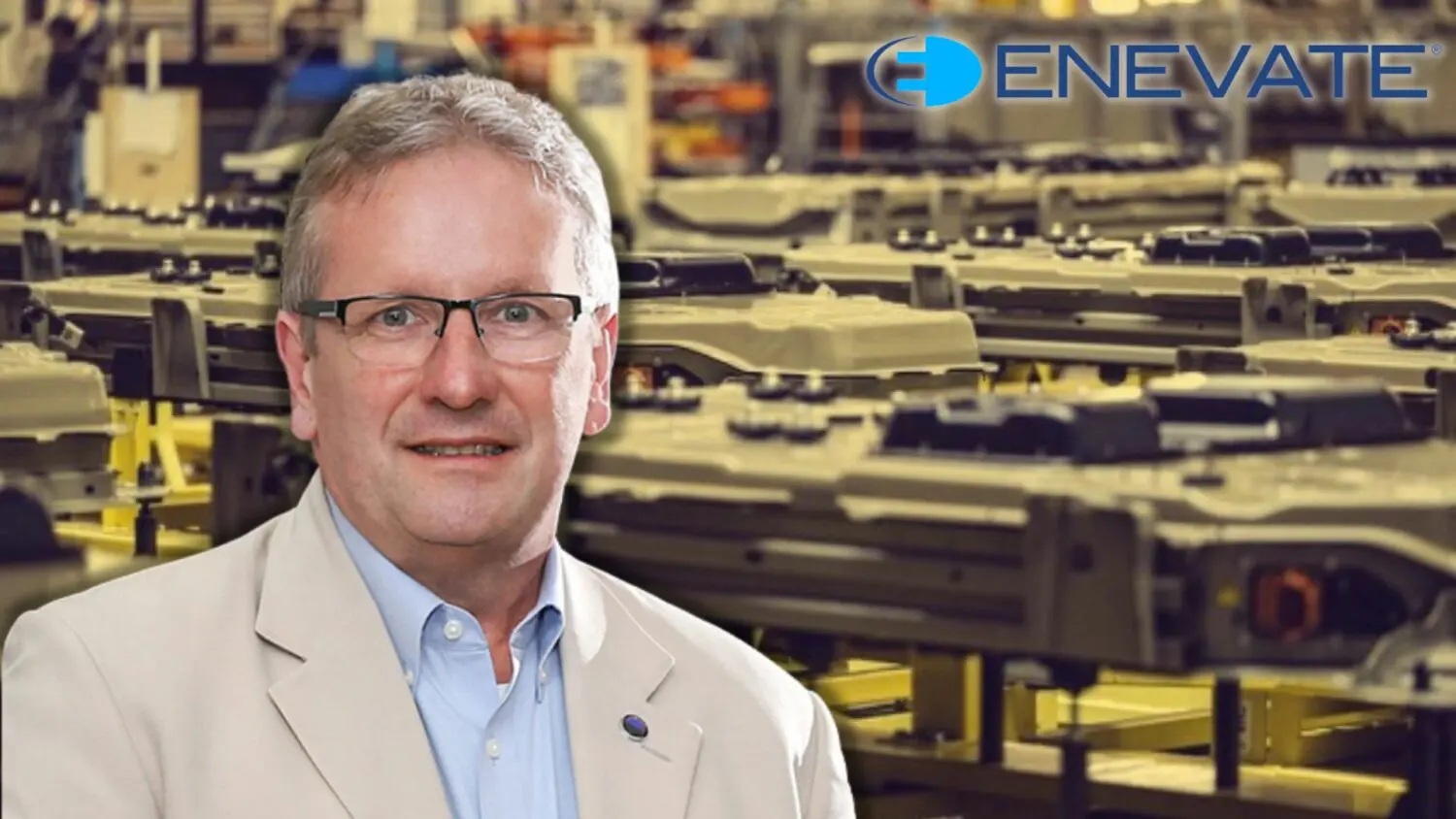
Enevate CEO Robert A. Kruse Jr.

On July 24, California-based Enevate and Korea’s JR Energy Solution announced a joint venture in which they would build a U.S. battery cell electrode factory. 

Enevate and JR Energy Solutions, JR ES, intend to tailor-make lithium-ion battery cell electrodes, including anodes and cathodes. Both companies said they’re currently evaluating potential locations. While they also plan to produce up to 6 GWH of annual paired electrode capacity in different building stages. 

Enevate develops extremely fast-charging EV battery technology, and JR ES designs manufacturing lithium-ion battery electrodes and cells. JR ES’s cells foundry model enables lithium-ion cell makers to produce tailor-made electrodes and cell solutions. 

Bob Kruse, CEO of Enevate, stated, “This partnership with JR Energy Solution is excellent news for the whole battery market in the US. Customers can utilize Enevate’s cutting-edge silicon-dominant battery technology and benefit from JR ES’s knowledge and experience in producing electrodes and battery cells. Additionally, it will allow companies to outsource a portion of their production capacity or speed up their development process.”

The California-based company outlined how the joint battery cell factory would operate: “The electrode foundry facility will allow customers to outsource portions of their production, speed up their development process, or order custom electrodes to qualify their materials or production equipment while enjoying the benefit of receiving ultra-high-quality electrodes produced on cutting-edge manufacturing equipment at mass production speed.”

On the other hand, in South Korea, JR ES has begun constructing its first factory, which is anticipated to open in the fourth quarter of this year.
Further Reading
More from Articles
Flock cameras update: Errors keep happening, cities are dropping contracts – but new players are taking over

Flock cameras update: Errors keep happening, cities are dropping contracts – but new players are taking over

- July 17, 2026
We’ve covered Flock cameras before, the automated license plate readers were expanding fast, sold as a precision crime-fighting tool. The update is less reassuring. Fresh mistakes are still occurring, including...
Detroit automakers respond to hazardous air as wildfire smoke impacts production

Detroit automakers respond to hazardous air as wildfire smoke impacts production

- July 17, 2026
On the Dash: Production remains online, but ongoing air quality issues could temporarily disrupt manufacturing output if conditions worsen. Any prolonged production interruptions at Michigan assembly plants could affect future...
Honda ends U.S. Prologue EV as hybrid demand reshapes strategy

Honda ends U.S. Prologue EV as hybrid demand reshapes strategy

- July 17, 2026
On the Dash: Honda dealers should expect hybrids, not EVs, to drive showroom traffic and sales growth in the near term. The Prologue's retirement reflects continued softness in U.S. EV...
New-vehicle affordability slips in June as prices, loan rates climb

New-vehicle affordability slips in June as prices, loan rates climb

- July 17, 2026
On the Dash: New-vehicle affordability declined slightly in June as prices and loan rates outweighed income growth Affordability still beat last year, thanks to 4.1% income growth and lower...
CBT News
Privacy Overview

This website uses cookies so that we can provide you with the best user experience possible. Cookie information is stored in your browser and performs functions such as recognising you when you return to our website and helping our team to understand which sections of the website you find most interesting and useful.