On the Dash:
- Iran suspended ceasefire talks with the U.S., citing ongoing Israeli military operations in Lebanon and Gaza.
- Oil prices jumped more than 7% Monday, pushing the national gas average to $4.32 per gallon.
- Trump said the U.S. will “go silent” and maintain its blockade as leverage against Iran.
Gas prices surged Monday after Iran announced it will suspend diplomatic talks with the United States and move to fully close the Strait of Hormuz. Oil prices jumped more than 7%, a likely signal of higher costs at the pump for consumers and added pressure on dealers and auto logistics operations.
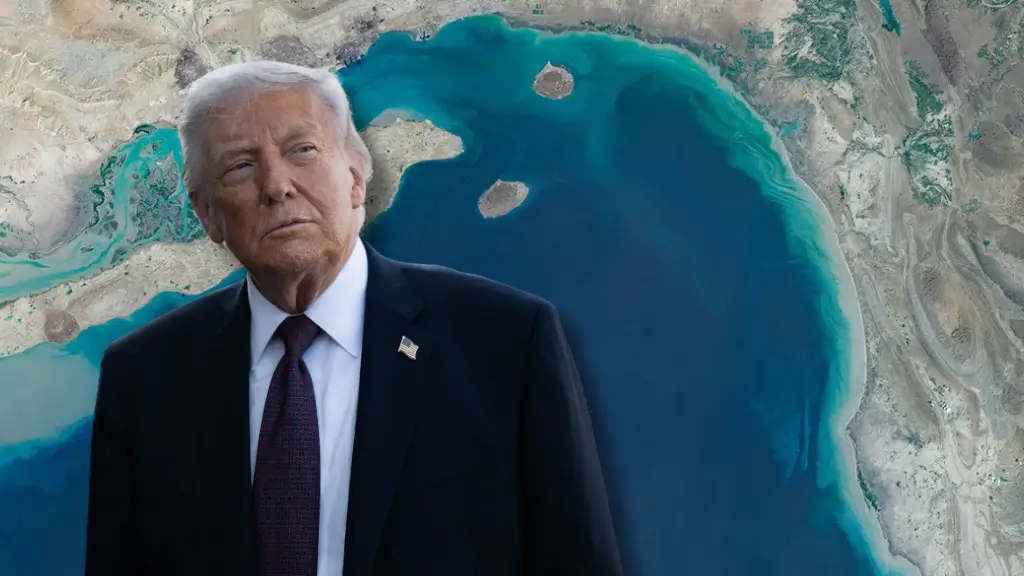
Iran’s state-affiliated Tasnim News Agency made the announcement via Telegram on Monday, saying the ceasefire “has now been violated on all fronts, including Lebanon.” The agency said Iranian leaders have placed the full closure of the Strait of Hormuz and the activation of the Bab el-Mandeb Strait on their agenda. Both are critical chokepoints for global oil and gas shipments.
Iran’s demands
Iranian officials said there will be no negotiations until Israel halts military operations in Gaza and Lebanon and fully withdraws from occupied Lebanese territory.
“Until Iran’s and the Resistance’s position on these issues is satisfied, there will be no negotiations,” Tasnim reported.
Iranian Foreign Minister Abbas Araghchi said on X that the ceasefire covers all fronts, including Lebanon, writing: “Violation on one front is a violation of the ceasefire on all fronts. The U.S. and Israel are responsible for the consequences of any violation.”
The war began Feb. 28 when the U.S. and Israel launched strikes on Iran. Since then, it has killed thousands and disrupted global energy markets, with about a fifth of the world’s oil supply passing through the Strait of Hormuz before the conflict began.
President Trump’s response
The White House did not issue an official statement on the Tasnim report, but in an interview with NBC News, President Trump said, “I think it’s fine if they’re done talking.”
“It doesn’t mean we’re going to go and start dropping bombs all over there,” the president told NBC News chief White House correspondent Garrett Haake, “We’ll just go silent. We’ll keep the blockade. Blockade is a piece of steel.”
When asked if he can wait the Iranians out, Trump said, “I think I can wait as long as they want. They’re losing a fortune.”
Auto industry impacts
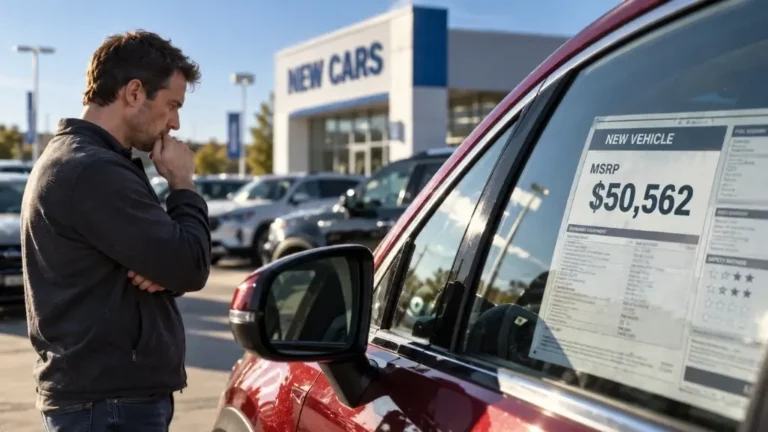
The national average for a gallon of regular gas was $4.32 as of June 1, according to AAA. That is roughly 46% higher than the $2.96 average recorded just before the conflict began on Feb. 26. Before Monday’s 7% oil price spike, gasoline futures had dropped below $3.10 per gallon in late May on expectations of a deal to restore exports through the Strait of Hormuz. Monday’s announcement erased that retreat.
Speaking at the New York Auto Forum in April, NADA chief economist Patrick Manzi noted that sustained conflict could disrupt supply chains, tighten credit, and erode consumer confidence.
Industry analysts had warned the conflict would need to reach the four-month mark before seriously impacting U.S. vehicle sales and automaker revenues. With the war now entering its fourth month, that threshold has arrived.