As automakers continue investing heavily in electrification, consumers remain hesitant to fully embrace battery-electric vehicles (BEVs). On the latest episode of Inside Automotive, Ed Garsten, Senior Contributor at Forbes, said rising fuel prices are driving renewed interest in EVs, but many consumers still gravitate toward hybrids for fuel savings without significant lifestyle disruption.
According to Garsten, consumer interest in EVs tends to rise alongside fuel prices but often fades when buyers confront real-world ownership considerations. He highlights ongoing concerns about charging time, long-distance travel planning, and the reliability of public charging infrastructure as top considerations.
As a result, he argues automakers underestimate the extent to which EV ownership requires a fundamental lifestyle shift for mainstream consumers.
“I think there was a real strategic error early on in not realizing that you’re asking people to make not only a financial commitment, but a lifestyle change.”
To close that gap, Garsten says automakers and dealers missed early opportunities to build consumer confidence through hands-on exposure to EVs. He notes that sales consultants with firsthand EV experience are better positioned to address customer concerns, adding that expanded ride-and-drive events, immersive training programs, and ownership demonstrations could help improve adoption rates by reducing shoppers’ uncertainty.
Used EV market & affordability
While new EV sales have softened, Garsten notes that demand for used EVs continues to strengthen. A growing supply of off-lease inventory has created more attractive price points for cost-conscious buyers.
He notes that the segment represents a growing opportunity for dealers, particularly among consumers interested in electrification but unwilling to pay new-vehicle premiums.
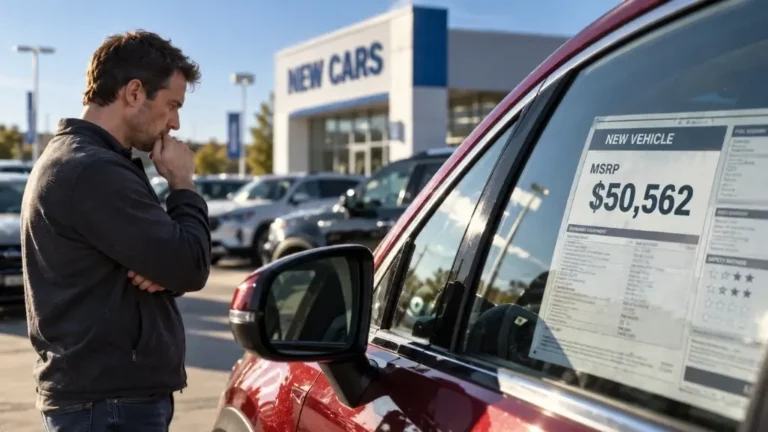
Beyond EV adoption, Garsten points to broader affordability pressures as a key force reshaping the market. He says that rising vehicle prices, monthly payments and insurance costs continue to strain household budgets.
Consequently, more consumers are retaining their vehicles for longer periods and opting for repairs rather than replacements. Therefore, Garsten questioned how long buyers can sustain rising ownership costs, emphasizing the current economic uncertainty as a key factor affecting purchase decisions.
Fixed ops positioned for continued growth
According to Garsten, those longer ownership cycles are directly benefiting service departments. He believes that fixed ops remain busy as consumers prioritize maintenance over new-vehicle purchases.
He adds that dealers and aftermarket companies are expanding technician recruitment and training programs to support growing demand across internal combustion, hybrid and electric platforms.
Chinese automakers intensify competitive pressure
Looking at global competition, Garsten said Chinese automakers could play a larger role in the U.S. market if allowed limited entry tied to domestic manufacturing commitments. He notes that the potential impact on Japanese automakers’ entry decades ago, which ultimately pushed U.S. manufacturers to improve quality, technology and efficiency.
Garsten notes that Chinese brands continue to advance rapidly in battery technology, software integration, and charging performance.
At the same time, he acknowledged legitimate cybersecurity concerns tied to connected vehicles. Still, he cautioned against using those risks as a blanket barrier to competition, noting that the industry is actively developing safeguards.
Ultimately, Garsten said affordability pressures, consumer education gaps and rising global competition will define the next phase of the automotive industry. He adds that dealers who adapt to shifting buyer priorities, particularly around value, service retention and total cost of ownership, will be best positioned for long-term success.