TSLA406.34317.443%
GM82.4104.36%
F12.9800.54%
RIVN17.4400.55%
CYD43.0900.7681%
HMC25.2850.925%
TM219.7706.91%
CVNA396.29034.05%
PAG163.2507.23%
LAD287.26512.395%
AN208.80010.51%
GPI352.53017.05%
ABG213.8509.76%
SAH71.1853.815%
TSLA406.34317.443%
GM82.4104.36%
F12.9800.54%
RIVN17.4400.55%
CYD43.0900.7681%
HMC25.2850.925%
TM219.7706.91%
CVNA396.29034.05%
PAG163.2507.23%
LAD287.26512.395%
AN208.80010.51%
GPI352.53017.05%
ABG213.8509.76%
SAH71.1853.815%
TSLA406.34317.443%
GM82.4104.36%
F12.9800.54%
RIVN17.4400.55%
CYD43.0900.7681%
HMC25.2850.925%
TM219.7706.91%
CVNA396.29034.05%
PAG163.2507.23%
LAD287.26512.395%
AN208.80010.51%
GPI352.53017.05%
ABG213.8509.76%
SAH71.1853.815%

Stellantis offer a “no-go” says United Auto Workers president Fain

United Auto Workers president Shawn Fain shot down a 21% wage increase proposed by Stellantis, prolonging the union's strike.

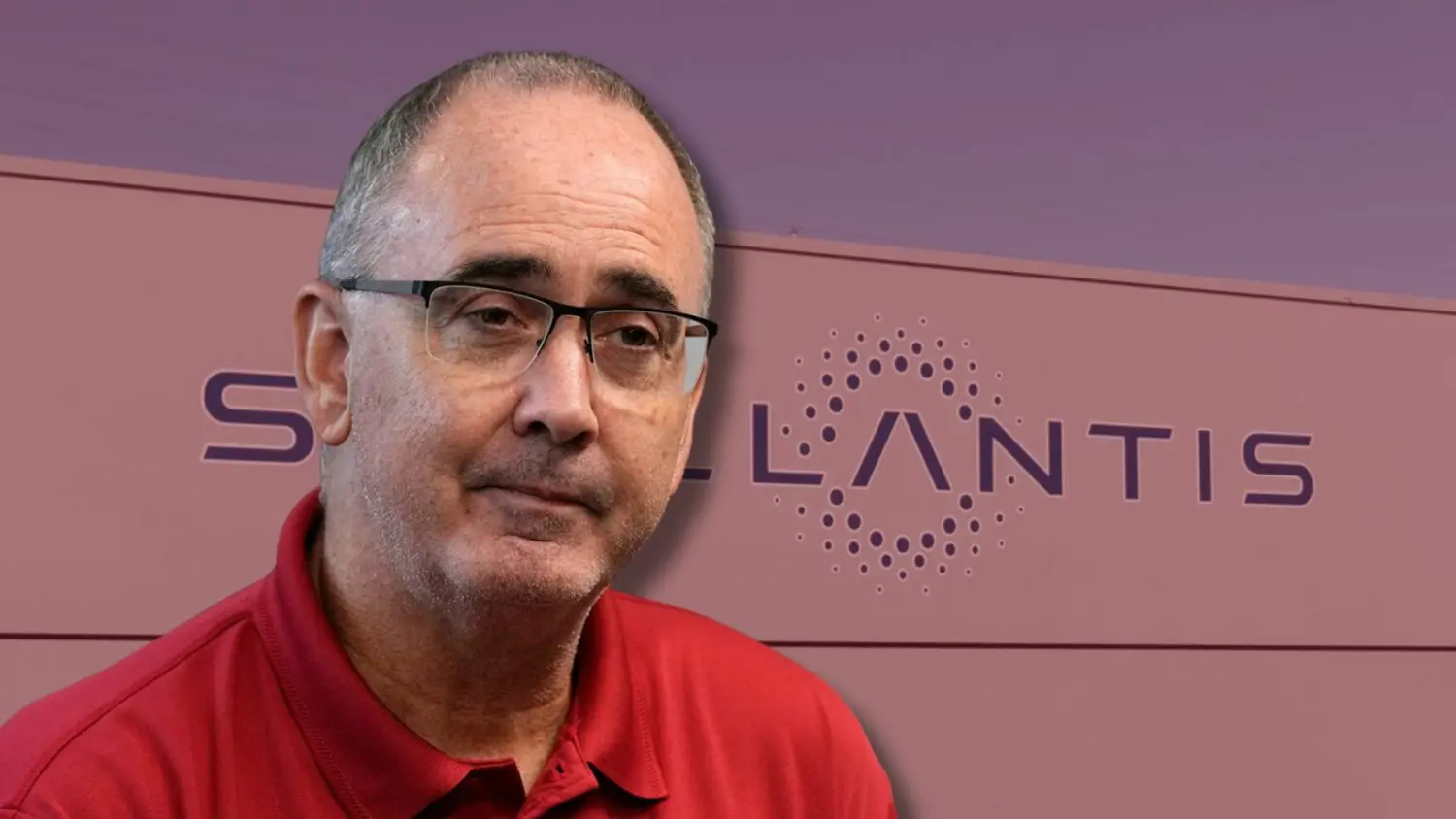
Pictured: United Auto Workers President Shawn Fain, Image Source: CNN Business

United Auto Workers president Shawn Fain called a 21% wage increase proposed by Stellantis a “no-go” over the weekend, with the union now entering its fourth day of striking.

The proposal replaced the automaker’s previous offer of a 17.5% increase and would have introduced a 10% pay raise immediately after the contract was signed. Stellantis also offered to end wage tiers at its facilities, which have prevented newer workers from earning the same rates as long-term employees. In an interview on CBS’s Face the Nation, Fain announced that the United Auto Workers union would not accept the terms. “It’s definitely a no-go,” he stated. “We’ve made that very clear to the companies.” The union is presently seeking a 46% pay raise, which it says would match the average income growth of Stellantis, General Motors and Ford CEOs.

Stellantis has since claimed that the union misrepresented the terms of its offer to the public. While the automaker has not announced any plans to lay off non-striking workers, Ford has temporarily placed 600 employees on leave, while GM has warned it may reduce its workforce by up to 2,000. Fain criticized the layoff threats, arguing that they proved the OEMs see their workers as “a bargaining chip.” The United Auto Workers union plans to supplement the income of any laid-off members.

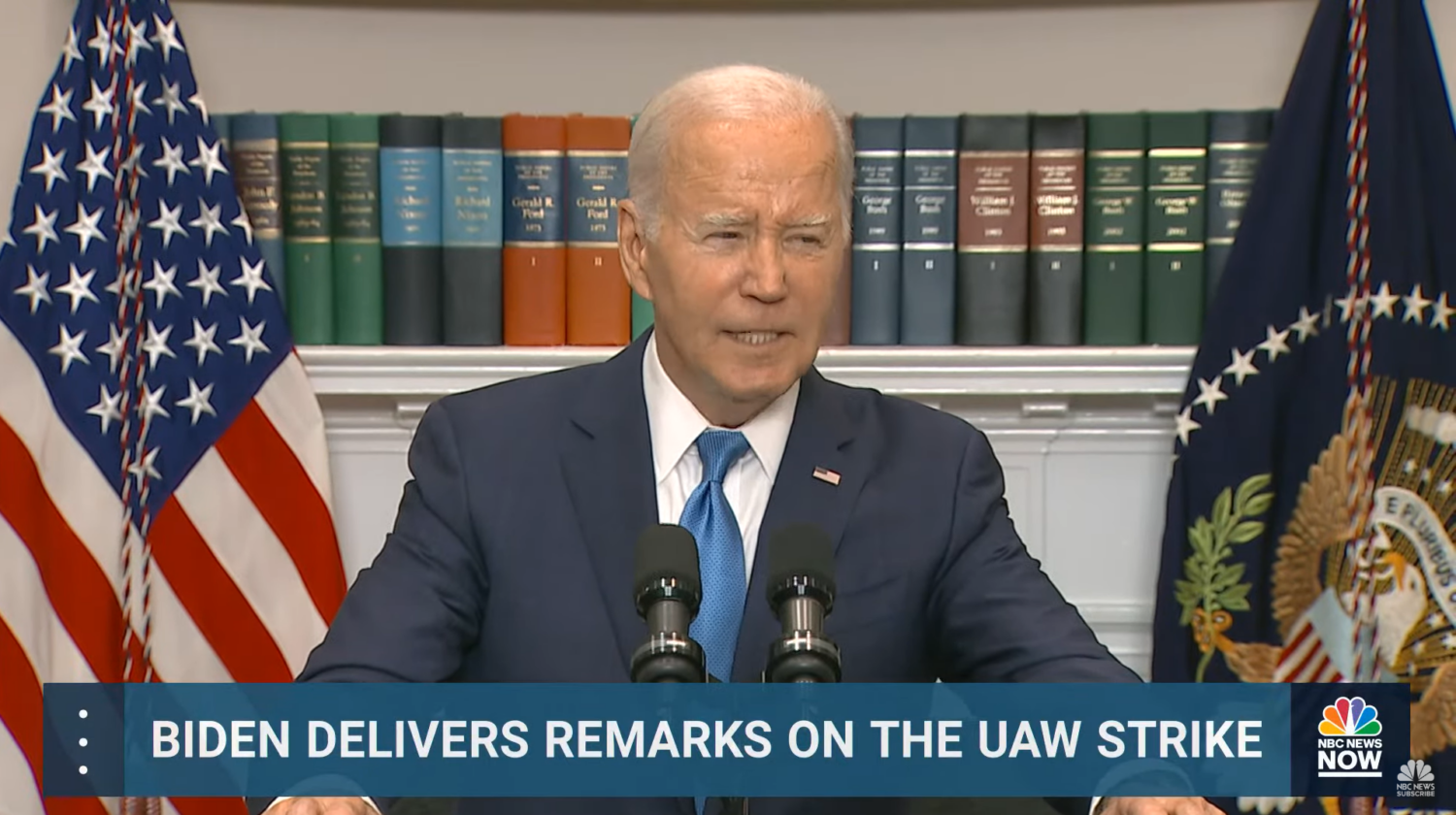
Detroit officials and Biden Administration aides are set to assist with negotiations between automakers and UAW representatives. Roughly 13,000 United Auto Workers members are currently on strike, a number that Fain has said could increase if talks with OEM executives fail to yield agreeable terms.

Read More
More from Articles
GM leans on global production to supply U.S. market amid cost pressures

GM leans on global production to supply U.S. market amid cost pressures

- April 17, 2026
On the Dash: Imported inventory may create variability in delivery timing and supply consistency. Trade policy shifts could impact the pricing and availability of certain models. Global production strategies may...
Volkswagen ends U.S. EV output, triggering $600 million financial hit 

Volkswagen ends U.S. EV output, triggering $600 million financial hit 

- April 17, 2026
On the Dash: Slower EV demand may impact inventory planning and turn rates for electric models. Production pullbacks could tighten EV supply or shift sourcing toward imports. Ongoing cost pressures...
March sales surge tightens inventory, affordability gaps persist

March sales surge tightens inventory, affordability gaps persist

- April 17, 2026
On the Dash: Faster March sales improved inventory flow, but demand remains uneven heading into Q2. Limited sub-$40K inventory continues to constrain volume opportunities. Rising incentives indicate growing pressure to...
Independent shops are gaining ground, but dealerships retain advantages in expertise, loyalty, and digital tools: New CDK Service Shopper 5.0 survey shows

Independent shops gain ground as dealerships face mounting pressure

- April 17, 2026
On the dash: Independent shops are gaining share, but dealerships still lead at 42% overall service volume. Dealerships win on expertise, OEM parts access, EV repairs, and stronger customer loyalty...
CBT News
Privacy Overview

This website uses cookies so that we can provide you with the best user experience possible. Cookie information is stored in your browser and performs functions such as recognising you when you return to our website and helping our team to understand which sections of the website you find most interesting and useful.