On the Dash:
- Automakers support delaying stricter emissions standards until 2029, citing market conditions and slower-than-expected EV adoption.
- Regulatory changes could give manufacturers greater flexibility to prioritize gas-powered and hybrid vehicle production.
- Dealers may see continued emphasis on ICE and hybrid inventory as automakers adjust to shifting policy and consumer demand.
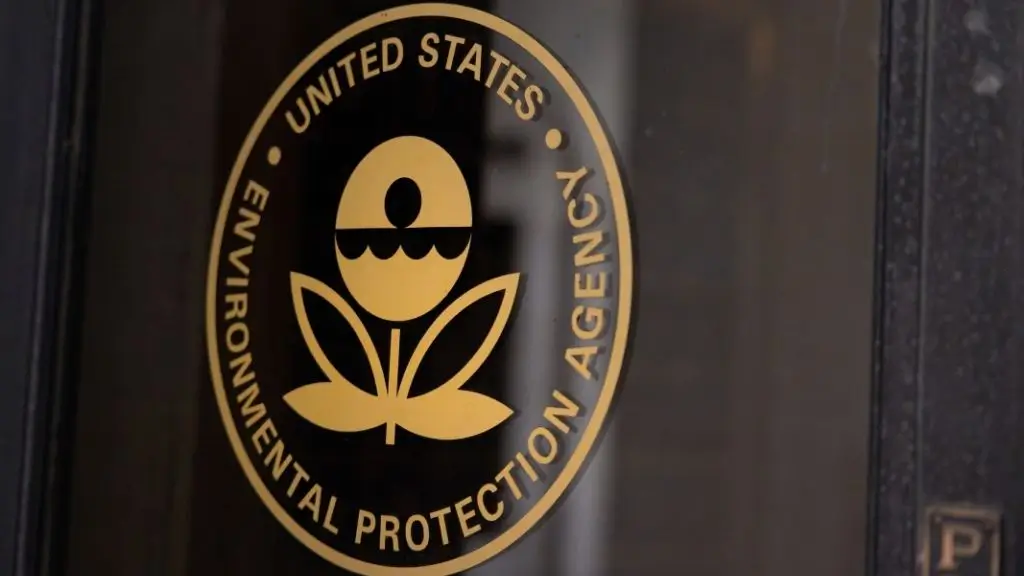
Major automakers are supporting the Environmental Protection Agency’s (EPA) proposal to delay enforcement of stricter vehicle emissions standards by two years, arguing that current regulations no longer align with market realities.
The Alliance for Automotive Innovation, which represents major manufacturers like General Motors, Ford, Stellantis, Toyota, Volkswagen and Hyundai, told regulators that a delay is necessary while the agency develops updated long-term standards.
A growing disconnect
During a public hearing Wednesday, the alliance cited slower-than-expected EV adoption, the expiration of federal EV tax credits and China’s continued dominance in battery production as key obstacles to meeting the current requirements.
Michael Hartrick, Senior Director and Executive Adviser for the alliance, said the industry faces a growing disconnect between regulatory assumptions and actual market conditions.
The EPA last month proposed delaying implementation of the Biden administration’s emissions standards for light- and medium-duty vehicles until the 2029 model year. The agency estimates the move would save automakers approximately $1.7 billion in compliance costs.
What the standards require
The standards, finalized in 2024, require considerable reductions in vehicle emissions between the 2027 and 2032 model years. The rules target six criteria pollutants, such as particulate matter, nitrogen dioxide and carbon monoxide.
Environmental groups, however, strongly oppose the proposal, arguing that delaying implementation would increase pollution and negatively affect public health. Critics contend the existing standards would generate billions of dollars in annual health benefits by reducing pollutants that contribute to smog and soot.
Industry implications
The debate comes as automakers continue adjusting their product strategies amid changing regulatory priorities. Since last year, several manufacturers have shifted resources toward gas-powered vehicles and hybrids while scaling back some EV investments.
Meanwhile, additional policy changes, including relaxed fuel-economy requirements and the elimination of penalties for missing mileage targets, have further reduced pressure on automakers to accelerate EV adoption.
For dealers, the proposed delay could signal continued emphasis on internal combustion and hybrid vehicle sales as manufacturers adapt to evolving consumer demand and regulatory uncertainty.