TSLA364.20011.781%
GM79.4602.63%
F12.6970.537%
RIVN15.9900.09%
CYD42.160-2.57%
HMC24.160-0.04%
TM211.5500.49%
CVNA374.33015.06%
PAG157.2700.47%
LAD281.7802.72%
AN200.000-2.25%
GPI337.980-0.04%
ABG206.5700.84%
SAH68.2300.16%
TSLA364.20011.781%
GM79.4602.63%
F12.6970.537%
RIVN15.9900.09%
CYD42.160-2.57%
HMC24.160-0.04%
TM211.5500.49%
CVNA374.33015.06%
PAG157.2700.47%
LAD281.7802.72%
AN200.000-2.25%
GPI337.980-0.04%
ABG206.5700.84%
SAH68.2300.16%
TSLA364.20011.781%
GM79.4602.63%
F12.6970.537%
RIVN15.9900.09%
CYD42.160-2.57%
HMC24.160-0.04%
TM211.5500.49%
CVNA374.33015.06%
PAG157.2700.47%
LAD281.7802.72%
AN200.000-2.25%
GPI337.980-0.04%
ABG206.5700.84%
SAH68.2300.16%

Senate Republicans to challenge vehicle-safety mandates

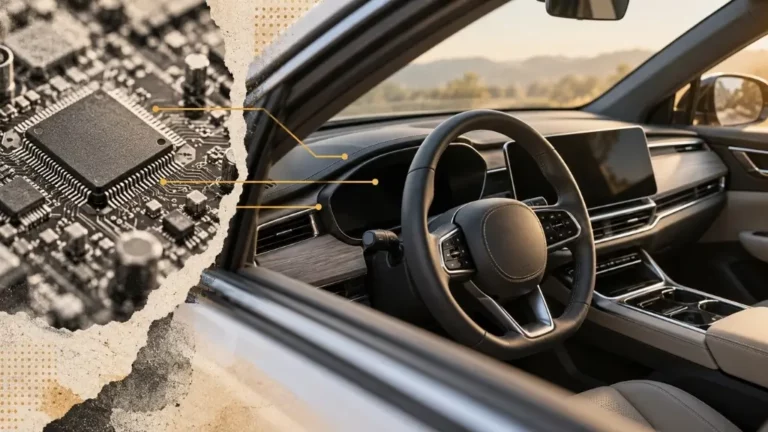
Senate Republicans plan a Jan. 14 hearing to challenge vehicle-safety mandates, citing rising costs and questioning the effectiveness of new technology.
safety mandates

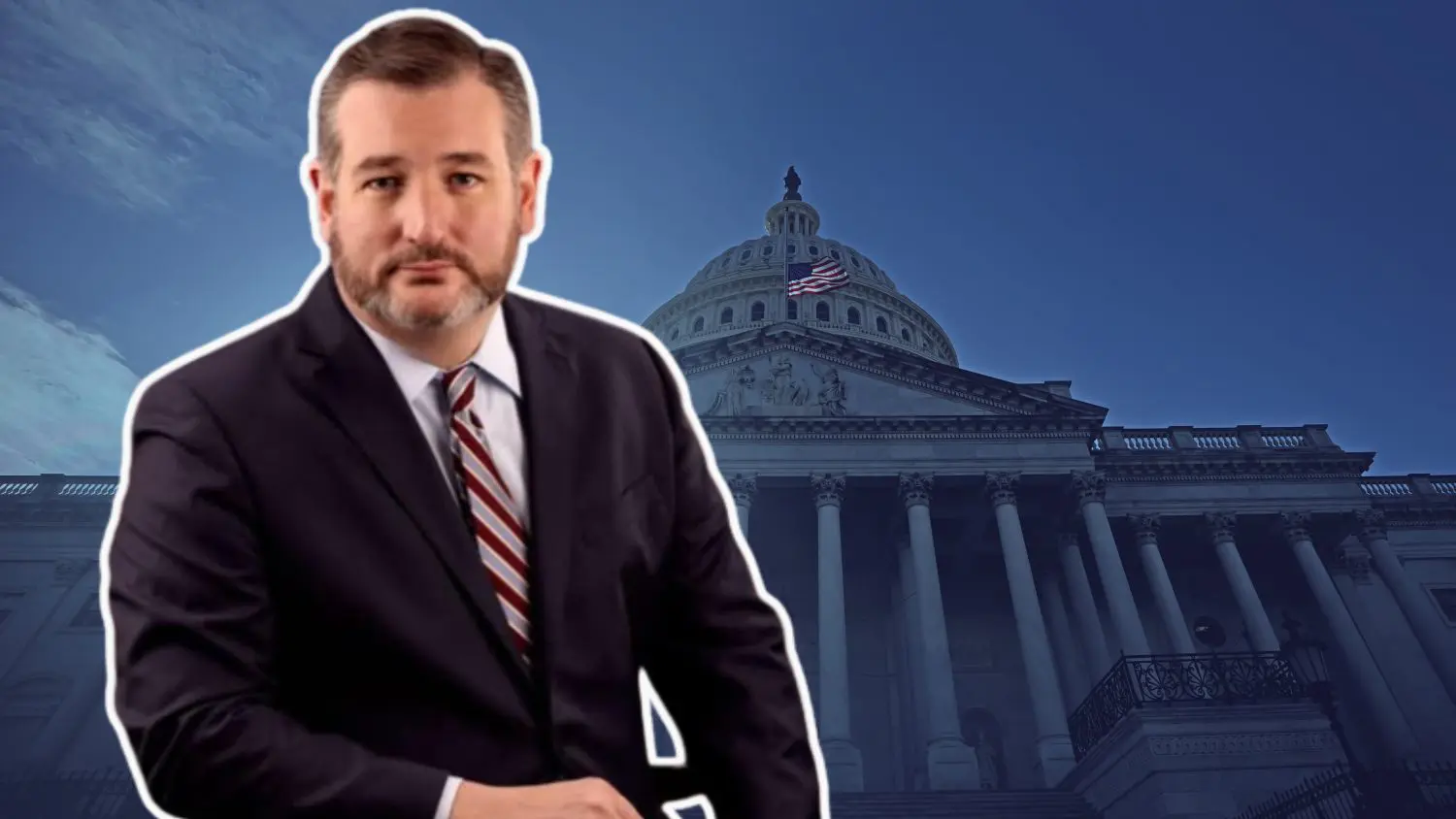
Senator Ted Cruz

On the Dash:

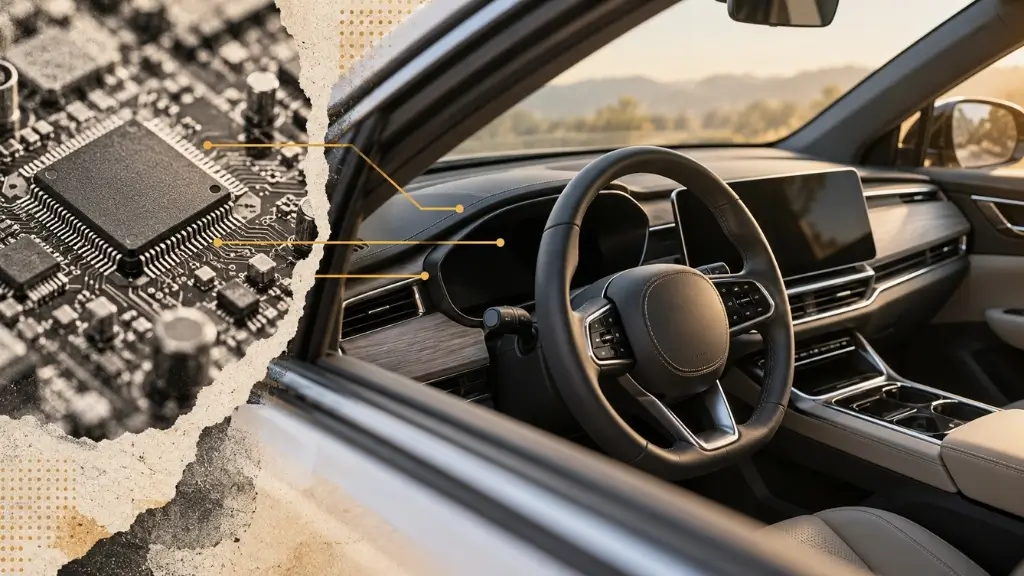
  • Senate Republicans will question vehicle-safety mandates, claiming some are ineffective and drive up the cost of new cars.
  • Safety advocates argue that technologies such as automatic braking and rear-seat alerts could prevent hundreds of deaths each year.
  • Rising vehicle costs result from a combination of regulations, consumer preferences for larger, luxury-equipped vehicles, and increased technology.

Senate Republicans plan to hold a hearing on Jan. 14 to question the effectiveness and cost of vehicle-safety mandates, including automatic emergency braking and rear-seat child alerts, according to the Wall Street Journal. The hearing will summon CEOs from Detroit’s Big Three automakers and a senior Tesla executive to explain why new vehicles have reached an average price of $50,000.

The committee, chaired by Sen. Ted Cruz, intends to argue that some safety regulations are ineffective, could unnecessarily drive up vehicle costs, and may stifle innovation in autonomous vehicle technology.

However, lawmakers aim to prevent future requirements that safety advocates have promoted while scrutinizing the economic impact of existing mandates.

Sign up for CBT News’ daily newsletter and get the latest industry stories delivered straight to your inbox

While vehicle safety advocates counter that these mandates save lives, with roughly 40,000 Americans dying on U.S. roads annually, features like automatic braking and rear-seat alerts could prevent hundreds of fatalities, according to the Insurance Institute for Highway Safety. Critics of the Republican approach argue that eliminating or delaying these requirements could put drivers and passengers at greater risk.

The hearing comes ahead of next year’s reauthorization of a $300 billion highway bill, which funds road and rail projects and provides resources for the National Highway Traffic Safety Administration (NHTSA). Republicans plan to highlight that major vehicle-safety improvements, such as seat belts and crashworthiness, occurred primarily in the 1960s through the 1980s, and that the benefits of more recent safety technology have been limited or costly to maintain.

While safety mandates contribute to higher costs, analysts say other factors, such as consumer preference for larger vehicles with premium features like heated steering wheels and vented seats, also play a role. 

Automakers have historically implemented some safety features voluntarily to pre-empt federal mandates. NHTSA currently requires automatic braking in new vehicles starting in 2029, though automakers argue the rule could cause rear-end collisions if systems brake unexpectedly. Ultimately, the agency is considering an extension to the deadline, adding complexity to the ongoing debate.


Read More
More from Articles
Lucid funds

Lucid secures $750 million funding, appoints new CEO 

- April 14, 2026
On the Dash: Lucid’s Uber partnership signals growing momentum in demand for fleets and robotaxi beyond traditional retail channels. Continued funding highlights both investor confidence and the sector's ongoing capital...
Navy Federal’s Cost of Car Ownership (COCO) Index shows spike in vehicle ownership costs driven by gasoline prices

Navy Federal’s Cost of Car Ownership (COCO) Index shows spike in vehicle ownership costs driven by gasoline prices

- April 14, 2026
VIENNA, Va.--(BUSINESS WIRE)--Navy Federal Credit Union today released the latest iteration of its Cost of Car Ownership (COCO) Index, revealing a record-high in the cost of owning a vehicle. The COCO...
Ford pushes to block Chinese EVs as it rolls out gas incentives in high-cost states

Ford pushes to block Chinese EVs as it rolls out gas incentives in high-cost states

- April 14, 2026
On the Dash: Ford’s policy stance signals continued pressure for protectionist measures that could shape future inventory mix and pricing strategy. Gas card incentives highlight ongoing consumer sensitivity to the...
Tesla rolls out Spring 2026 update

Tesla rolls out Spring 2026 update with AI, self-driving push

- April 14, 2026
On the Dash: Tesla continues to use software updates to drive recurring revenue, particularly through simplified FSD subscription access and usage tracking. Hardware dependency is increasing, creating a clearer distinction...
CBT News
Privacy Overview

This website uses cookies so that we can provide you with the best user experience possible. Cookie information is stored in your browser and performs functions such as recognising you when you return to our website and helping our team to understand which sections of the website you find most interesting and useful.