On the Dash:
- Polestar is discounting the Polestar 3 and 4 by up to $25,000 before its 2027 exit.
- Commerce Department banned Polestar, owned by Geely, over Chinese software issues.
- Dealers should warn buyers about resale value and long-term service risks.
Polestar is offering steep discounts on two of its SUVs after regulators banned the brand from the U.S. market.
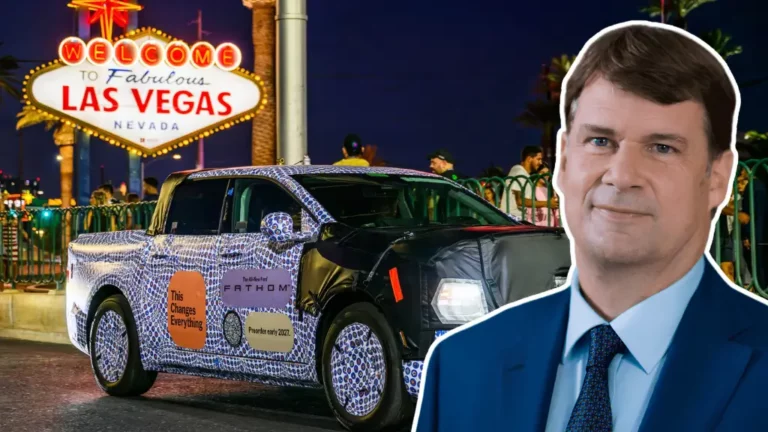
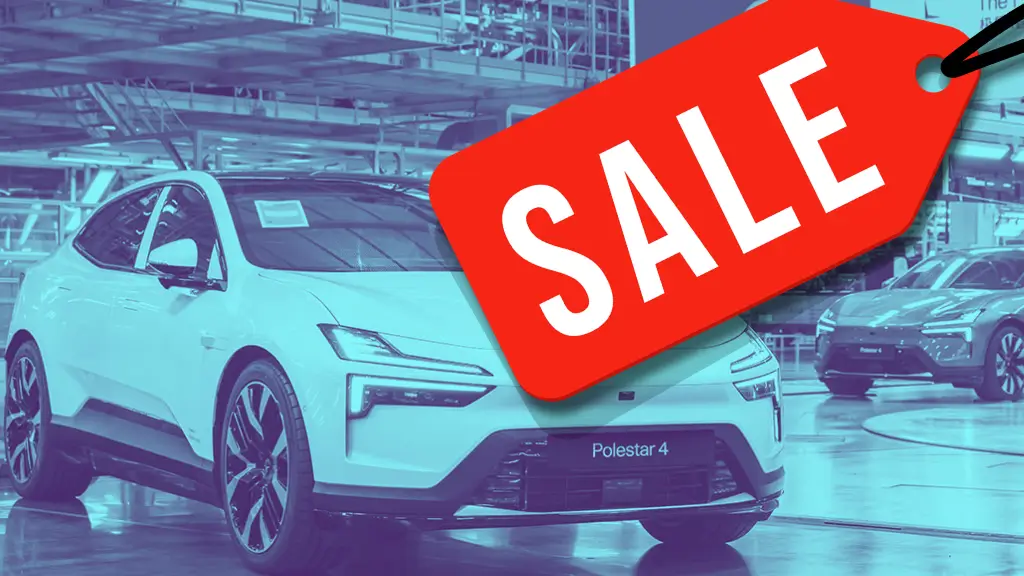
The EV-only brand is cutting prices by as much as $25,000 on the Polestar 3 and Polestar 4, which follows the U.S. Department of Commerce ruling that Polestar must stop selling vehicles in the United States by the end of 2027.
The ruling stems from Commerce Department restrictions on Chinese-developed vehicle software. Polestar’s parent company, Geely, is based in China. Geely also owns Volvo, but the department recently cleared Volvo to keep selling cars in the U.S. despite shared components between the two brands.
The Polestar 3 is a midsize luxury SUV with up to 350 miles of range and horsepower ratings between 299 and 517. It starts at $68,900 with delivery fees included. Discounts can bring that price down to $45,900.
The Polestar 4 pairs a coupe-like roofline with four doors and skips a rear window in favor of a camera-based rearview system. It starts at $57,800 and can currently be found for as little as $32,800.
The offers apply only to buyers paying cash or using Polestar’s in-house financing, and they expire at the end of this month.
Dealers fielding questions from shoppers should note the risks that come with buying from a brand exiting the market. Volvo dealerships already service many Polestar vehicles and are expected to continue doing so. Polestar will keep selling cars in other countries, which should help maintain a supply of repair parts.
Matthew Haiken, Dealer Principal and President at Prestige Collection Auto Group, recently joined CBT News to discuss the fallout at his Polestar store in East Hanover, New Jersey. Haiken said his team plans to lean on fixed operations, used cars and F&I as new-vehicle sales wind down.
Still, resale values on discontinued vehicles tend to suffer, and buyers should ask dealers detailed questions about long-term service and parts availability before signing.